
Let’s be honest. Your brain is a master negotiator. Every morning it tells you “just sleep in today” and every evening it convinces you “you’ll start tomorrow.” That inner voice isn’t lazy. It’s just really good at protecting you from discomfort. But the problem is this: the same voice is also the one keeping you stuck.
The difference between those who exercise consistently and those who don’t isn’t genetics, time, or even willpower. It’s self-discipline to exercise. You need a system that makes negotiation pointless. You need a workout routine you simply do, not one you debate about.
This guide will show you how to build that kind of discipline. It’s not about suffering through workouts you hate. It’s about rewiring your mindset so that skipping a session feels worse than showing up. Along the way, we’ll tap into some of the best resources available, including books like No Excuses!: The Power of Self-Discipline and Atomic Habits, to give you the mental tools you need.
By the end of this article, you’ll have a clear framework to build a bulletproof exercise habit. One that your inner negotiator can’t touch.
Table of Contents
Why Your Workout Routine Keeps Failing (and It’s Not Your Fault)
Most people fail because they rely on motivation. Motivation is a feeling. It comes and goes like the weather. On Monday morning, you feel pumped. By Wednesday, your alarm rings and you feel nothing. So you hit snooze.
You think something is wrong with you. But nothing is wrong. You’re just using the wrong fuel.
Self-sabotage is real. As Brianna Wiest writes in The Mountain Is You, we often resist the very things that will set us free. Your brain interprets exercise as a threat because it costs energy. It wants to conserve, not perform.
The solution isn’t to fight your brain harder. It’s to redesign the choice so there is no fight.
The Real Difference Between Motivation and Self-Discipline to Exercise
Motivation says, “I’ll work out because I feel like it.” Self-discipline says, “I’ll work out because I decided to.”
One is a passenger. The other is the driver.
In The Science of Self-Discipline, author Peter Hollins explains that willpower is like a muscle. It fatigues with overuse, but it can also be trained. The key is to automate as many decisions as possible. When you stop negotiating, you stop draining your mental energy.
This is why the most consistent exercisers don’t think about whether to go. They just go. Their decision is already made.
How to Build Self-Discipline to Exercise: The 5 Phase Framework
These five phases will help you shift from “I should exercise” to “I’m someone who exercises.” Each one builds on the last. Move through them gradually.
Phase 1: Commit to a Micro Habit
Don’t aim for a 60 minute sweat fest on day one. Start with one push up. Or put on your shoes. Or walk for three minutes.
James Clear’s Atomic Habits calls this the “two minute rule.” You can’t argue with a two minute task. Your brain doesn’t see a threat. It sees something easy. Once you start, momentum often carries you further.
- Put your workout clothes next to your bed.
- Do one minute of stretching right after waking.
- Commit to a single squat.
The goal is to build the identity, not the workout. Once you become someone who shows up, the duration will naturally expand.
Phase 2: Remove Decision Fatigue
Every choice you make during the day depletes your willpower. By the time you decide to exercise, your tank is empty. So remove the choices.
- Sleep in your gym clothes.
- Prepare your bag the night before.
- Schedule your workout like a non negotiable meeting on your calendar.
In Discipline Equals Freedom, Jocko Willink says “The first step to becoming free is to be disciplined.” When you pre commit, your future self has no room to negotiate.
Phase 3: Create an Identity Goal
Don’t say “I want to lose 10 pounds.” Say “I am a person who values physical strength.” The goal shifts from outcome to identity.
Write down: “I am someone who exercises every day.” Read it aloud. When your brain hears this enough, it starts to believe it. This is the principle behind The Four Agreements by Don Miguel Ruiz: be impeccable with your word. The word you give yourself matters.
Phase 4: Embrace Discomfort on Purpose
Discipline is not about feeling good. It’s about doing what needs to be done whether you feel good or not. This is where many people quit.
Stoic philosophy offers a powerful tool. Stoic Self-Discipline teaches that discomfort is not an enemy but a teacher. Every time you push through resistance, you build mental toughness.
Start small: take a cold shower, hold a plank an extra five seconds, resist the urge to check your phone. Each act of voluntary discomfort strengthens your discipline muscle for exercise.
Phase 5: Track and Reward, but Don’t Overcomplicate
Track your streak, not your performance. Use a simple calendar. Mark an X on each day you exercised. Your brain loves streaks and hates breaking them.
In The Power of Self-Discipline: 5 Minute Exercises to Build Self Control, the author suggests small daily actions to reinforce the habit. Don’t reward yourself with food. Reward with a sense of pride or a small activity you enjoy.
But avoid perfectionism. If you miss a day, don’t break the streak entirely. Just double up the next day. Consistency beats intensity every time.
Essential Books to Master Self Discipline to Exercise
Reading about self discipline is one of the fastest ways to rewire your mindset. Here are three must read books that directly support building a workout routine you can’t negotiate away.
No Excuses!: The Power of Self Discipline
| Feature | Detail |
|---|---|
| Price | $8.66 |
| Rating | 4.7 |
| Key Takeaway | Success comes from taking full responsibility and eliminating excuses |
Brian Tracy’s classic lays out why self discipline is the foundation of every achievement. He covers practical ways to stop rationalizing bad choices. This book will punch holes in every excuse you invent.

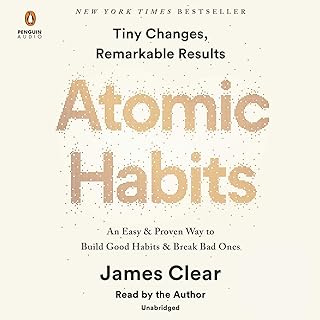
Atomic Habits
| Feature | Detail |
|---|---|
| Price | $0.00 (Audible) |
| Rating | 4.8 |
| Key Takeaway | Small habits compound into remarkable results |
James Clear offers a science backed system for building habits that stick. The 1% improvement principle is perfect for exercise. Focus on systems, not goals. This book is the blueprint for making good habits inevitable.
Discipline Is Destiny
| Feature | Detail |
|---|---|
| Price | $5.88 |
| Rating | 4.7 |
| Key Takeaway | Self control is the bridge between potential and greatness |
Ryan Holiday’s book on the Stoic virtue of discipline is both philosophical and practical. He shares stories of historical figures who mastered themselves. It will inspire you to see exercise as a form of self respect.

Comparison Table
| Book | Price | Rating | Key Takeaway | Buy at Amazon |
|---|---|---|---|---|
| No Excuses! | $8.66 | 4.7 | Eliminate excuses and take responsibility | |
| Atomic Habits | $0.00 (Audible) | 4.8 | Build systems, focus on tiny changes | |
| Discipline Is Destiny | $5.88 | 4.7 | Self control leads to greatness | |
Practical Steps to Negotiation Proof Your Workout
Beyond mindset, you need environmental and behavioral hacks to make negotiation impossible.
- Pre pay for a class or trainer – money gone. You’re less likely to skip.
- Create a “do it anyway” rule – if you don’t feel like it, commit to just putting on shoes. Then decide.
- Remove friction – keep your gym bag in the car. Prep water bottle and towel the night before.
- Use an accountability partner – someone who expects you to show up. Social pressure beats willpower.
In Digital Self Discipline, the author emphasizes that digital distractions are the biggest threat to focus. Put your phone on silent or leave it in another room while you work out. That one switch can save your workout.
The Role of Self Control and Mental Toughness in Exercise Consistency
Self control isn’t about gritting your teeth forever. It’s about designing a life where you don’t need to.
The Psychology of Self Discipline offers 24 strategies to rewire your brain for consistent action. One of the most powerful is called “bridging the gap” between intention and action. You write down exactly when, where, and how you will exercise. This simple act increases follow through by 300%.
Mental toughness comes from doing what you said you would, even when it’s hard. Each time you do that, you prove to yourself that you are reliable. You build trust with yourself. That trust is the bedrock of self discipline.
When You Want to Quit: How to Keep Going
There will be days when you want to quit. The negotiation voice will be loud. Here’s what to do:
- Say “I don’t have to feel ready, I just have to start.”
- Remind yourself why you started in the first place. Write that reason down.
- Use the “5 second rule” from Self Discipline: 30 Days to Self Discipline: count 5 4 3 2 1 and move before your brain objects.
- Let go of perfect. A five minute walk is better than nothing.
365 Days With Self Discipline offers daily reminders that small acts of discipline compound. One missed day doesn’t ruin you. Two missed days become a trend. Get back on track immediately. No guilt, just action.
FAQ: Self Discipline to Exercise
How do I build self discipline to exercise when I have no motivation?
Start smaller than you think possible. Motivation often follows action, not the other way around. Do one squat. Put on your shoes. Once you begin, momentum often builds. Also, read No Excuses!: The Power of Self Discipline to break the mental barrier.
Can self discipline really be learned?
Yes. Self discipline is a skill, not a fixed trait. Research shows that willpower can be strengthened through consistent practice. Books like The Power of Discipline and Atomic Habits provide step by step methods to build it.
How long does it take to form an exercise habit?
The popular belief is 21 days, but research suggests it varies from 18 to 254 days. The key is repetition, not time. Focus on showing up every day, even for five minutes. Use habit stacking from Atomic Habits to anchor your workout to an existing routine.
What should I do if I miss a day?
Do not break the streak double. Just get back on track the next day. The most important workout is the one after a missed day. Forgiving yourself quickly prevents the spiral of guilt. Read The Mountain Is You to understand and overcome self sabotage patterns.
What are the best books to read for fitness discipline?
The top recommendations are:
- No Excuses!: The Power of Self Discipline – for eliminating excuses
- Atomic Habits – for building habits
- Discipline Is Destiny – for Stoic perspective
- The Power of Self Discipline: 5 Minute Exercises – for daily micro actions
Final Word
Self discipline to exercise is not about hating your workout. It’s about loving your future self enough to show up today. When you stop negotiating, you free yourself from the burden of constant decision making. You become someone who does what they say.
Start with one small step. Pick one book from this list. Commit to a single push up tonight. The routine you build now will carry you through every challenge ahead. You won’t negotiate it away because you built it on a foundation of self respect, not fleeting motivation.
Your body will thank you. Your mind will thank you. And the version of you six months from now will wonder why you didn’t start sooner.
Now go. No more negotiation.