
Great characters feel alive. They laugh, stumble, and surprise us. But what makes them unforgettable? It’s the small, strange, human details — the quirks. A character who never lets anyone touch their coffee mug, who taps their fingers in Morse code, or who always carries a shaker of Optimum Nutrition Gold Standard 100% Whey Protein Powder is a character who lingers in the reader’s mind.
Quirks are the fingerprints of personality. They make fictional people feel real. This ultimate list of character quirks will give you hundreds of ideas to breathe life into your protagonist, antagonist, and supporting cast. Whether you're writing a novel, a screenplay, or a short story, these quirks will help you craft memorable characters.
Table of Contents
What Makes a Quirk Memorable?
A quirk isn’t just a random oddity. It serves a purpose. The best quirks are:
- Consistent — The character does it repeatedly, not just once.
- Revealing — It hints at their past, fears, or desires.
- Believable — It fits their personality and world.
- Distinctive — It sets them apart from other characters.
When you combine these four elements, your quirk becomes a storytelling tool. For example, a detective who arranges objects in perfect symmetry might reveal an obsessive need for control rooted in childhood chaos.
The Ultimate List of Character Quirks
Below is a curated, categorized list of over 100 character quirks. Use them as inspiration, mix and match, or let them spark new ideas.
Physical Quirks
- Constantly cracks knuckles, neck, or back.
- Bites nails to the quick.
- Twirls hair around a finger while thinking.
- Taps foot or fingers in a rhythm.
- Chews on pens, pencils, or straws.
- Rubs the bridge of the nose when stressed.
- Adjusts glasses every few seconds.
- Stands with hands clasped behind the back.
- Paces while on the phone.
- Fidgets with jewelry (rings, bracelets, necklaces).
- Doodles on any available paper.
- Always crosses legs when sitting.
- Squints when concentrating.
- Wipes hands on pants repeatedly.
- Touches their face or mouth when speaking.
Example in action: A nervous witness in a courtroom drama who cannot stop tapping their foot under the table. Every tap echoes their inner anxiety — and the lawyer uses it to unravel the truth.
Verbal Quirks
- Overuses a specific word (e.g., “literally,” “actually,” “like”).
- Speaks in questions, even when making statements.
- Ends sentences with “you know?”
- Stammers or stutters when flustered.
- Quotes movies or books excessively.
- Uses overly formal language in casual settings.
- Switches to a different accent when tired.
- Counts things out loud (stairs, steps, seconds).
- Repeats the last word of every sentence.
- Whistles or hums while working.
- Laughs at their own jokes before finishing them.
- Starts sentences with “Frankly,” or “Honestly,”.
- Talks to themselves in public.
- Mispronounces common words intentionally.
- Pauses for too long before answering.
Why it works: A character who always says “literally” might come across as dramatic or humorous. Use this quirk to highlight their emotional state — when they’re scared, they say it more often.
Behavioral Quirks
- Organizes books by color, not author.
- Always arrives exactly five minutes early.
- Refuses to step on cracks in the sidewalk.
- Must drink coffee from a specific mug.
- Shakes hands with both hands.
- Never uses the last napkin in a stack.
- Stirs their drink clockwise only.
- Reads the last page of a book first.
- Hoards receipts and old ticket stubs.
- Talks to animals as if they understand.
- Eats food in a strict order (e.g., all the vegetables before meat).
- Avoids using public restrooms.
- Carries a lucky charm at all times.
- Drinks water only from a specific bottle.
- Checks locks three times before leaving home.
Example in action: A protagonist who must eat M&Ms in color order reveals a deep need for control. When life falls apart, their ritual intensifies — or shatters entirely.
Emotional Quirks
- Giggles when nervous or embarrassed.
- Cries during every happy movie, no matter how many times seen.
- Gets angry when offered help (perceives it as pity).
- Becomes overly attached to inanimate objects.
- Expresses excitement by jumping up and down.
- Sighs dramatically before answering.
- Rarely smiles, even when happy.
- Smiles when delivering bad news.
- Gets teary-eyed at weddings, funerals, and commercials.
- Apologizes for everything, even when not at fault.
- Laughs at inappropriate moments (e.g., during arguments).
- Holds grudges for decades.
- Falls in love with everyone who shows kindness.
- Withdraws emotionally when stressed.
- Shows affection through sarcasm or teasing.
Insight: Emotional quirks often stem from past trauma. A character who laughs during conflict might have learned to mask pain with humor in childhood.
Cognitive Quirks
- Counts steps, ceiling tiles, or seconds.
- Needs symmetry in all things (e.g., must touch left elbow if right touches something).
- Thinks in lists or categories.
- Remembers dates and numbers with ease.
- Forgets faces but remembers names.
- Multitasks constantly, never doing one thing at a time.
- Imagines worst-case scenarios for every situation.
- Believes in superstitions (knock on wood, throw salt).
- Has a photographic memory for useless trivia.
- Struggles to make small decisions (what to eat, what to wear).
- Compulsively plans everything in advance.
- Leaves tasks unfinished, jumping to the next idea.
- Avoids thinking about the future.
- Replays conversations in their head afterward.
- Sees patterns everywhere, even when none exist.
How to use: A cognitive quirk like “sees patterns everywhere” can make a character an excellent detective — or a paranoid conspiracy theorist.
Social Quirks
- Avoids eye contact when speaking.
- Stands too close to people (violates personal space).
- Uses overly formal greetings (e.g., “Good morning, esteemed colleague”).
- Touches others while talking (arm squeeze, shoulder pat).
- Insists on shaking hands with everyone, even in casual settings.
- Refuses to say goodbye, just walks away.
- Always sits at the same spot in a room.
- Speaks in a whisper or a shout without realizing it.
- Mimics the body language of the person they’re talking to.
- Interrupts to finish others’ sentences.
- Asks personal questions too quickly.
- Brings up inappropriate topics at dinner parties.
- Laughs too loudly in quiet places.
- Never remembers names, even after multiple introductions.
- Prefers texting over talking.
Example: A social media influencer who avoids real eye contact but maintains perfect eye contact on camera — revealing a deep discomfort with genuine intimacy.
Habitual Quirks
- Checks phone every 30 seconds.
- Always carries a water bottle (often mixed with Premier Protein Powder for extra energy).
- Smokes only when it rains.
- Drinks tea at exactly 3 PM every day.
- Jogs in place while waiting in line.
- Cleans the kitchen before cooking.
- Nods along when listening to music.
- Wears the same color every day.
- Sleeps with a specific blanket or pillow.
- Bites the inside of their cheek when thinking.
- Collects something unusual (expired credit cards, bottle caps, hotel soaps).
- Keeps their desk spotless (or in chaotic piles).
- Shaves or grooms at exactly the same time daily.
- Checks the weather app four times a morning.
- Never leaves the house without a pen and paper.
Why it’s powerful: Habits reveal routine — and disruptions to routine create drama. A character who drinks tea at 3 PM who loses their job shakes their whole world.
Unusual Quirks
- Talks to plants while watering them.
- Refuses to wear matching socks on purpose.
- Collects rubber bands and organizes them by size.
- Sings in the shower at full volume.
- Writes letters to their future self.
- Buries a time capsule every five years.
- Names their car and has full conversations with it.
- Sleeps with their eyes slightly open.
- Walks backwards when exiting a room.
- Never says goodbye on the phone — just hangs up.
- Eats only food that is beige (or another color).
- Keeps a diary of every dream they’ve had since age 12.
- Wears mismatched earrings as a personal statement.
- Cracks a specific joke every time it rains.
- Refuses to use emojis in texts.
Inspiration: Unusual quirks can make a character instantly iconic. Think of Sherlock Holmes’ needle or Luna Lovegood’s radish earrings. Use them sparingly but powerfully.
Quirk Comparison: Good vs. Forced
Not every quirk works. Here’s a quick guide to tell the difference:
| Good Quirk | Forced Quirk |
|---|---|
| Fits the character’s background | Feels like the author’s gimmick |
| Reveals personality or history | Exists only for comic relief |
| Appears consistently | Appears once and disappears |
| Impacts the plot or relationships | Has no effect on story |
| Feels natural to the character | Feels random and unexplained |
Example of a forced quirk: A tough marine who collects teddy bears for no reason, with no backstory or emotional payoff. Without context, it feels cheap.
How to Develop Quirks That Serve Your Story
The best quirks are born from the character’s past. Ask yourself:
- What childhood event shaped this habit?
- What fear or insecurity does this quirk mask?
- How does this quirk help or harm the character?
- When does this quirk become a liability?
- How can another character react to this quirk?
Pro tip: Give your protagonist a quirk that the antagonist exploits. If your hero cannot resist correcting grammar, have the villain dangle a false clue that relies on a misplaced comma.
For more, check out our deep dive on 100 Unique Quirks for Characters to Make Them Memorable.
Common Mistakes to Avoid When Writing Quirks
- Overloading — Don’t give every character five quirks. One or two strong ones do more.
- Inconsistency — If a quirk appears once and never again, readers feel cheated.
- Stereotyping — Avoid quirks that rely on lazy clichés (e.g., the nerd who wears glasses pushed up).
- Explaining too much — Let the reader infer; don’t have the character say “I have this quirk because…”.
Instead, show the quirk in action. Let its meaning unfold through the story.
Using Quirks to Reveal Character Backstory
A quirk is a window into the past. Consider:
- A character who flinches at loud noises might have served in combat.
- One who refuses to eat seafood could have nearly drowned as a child.
- Someone who always wears long sleeves might be hiding scars.
- A person who alphabetizes their spice rack might have grown up in chaos and craves order.
How to reveal: Don’t dump the backstory. Drop a hint early, then pay it off later. For example, in chapter two, your character declines sushi. In chapter fifteen, we learn why.
For a step-by-step guide on creating quirks from scratch, read How to Create Quirks for Characters: a Comprehensive List with Examples?.
The Connection Between Routine and Creativity
Writers understand the power of routine. Having a consistent writing practice — complete with a morning smoothie made with Orgain Organic Vegan Protein Powder — can unlock creativity. Your characters, too, benefit from routines and quirks that keep their personalities sharp.
When you build quirks, think of them as tiny habits that define a person. Just like a fitness enthusiast who never skips their protein shake, a character’s quirks form the backbone of their identity.
FAQ
Why are quirks important in fiction?
Quirks make characters feel real and memorable. They add depth, reveal backstory, and create opportunities for conflict or humor.
How many quirks should a character have?
One to three strong quirks are usually enough. Too many can overwhelm the reader.
Can a quirk change during the story?
Yes. A character arc might involve overcoming or embracing a quirk. Change should feel earned.
What’s the difference between a quirk and a trait?
A quirk is a specific, often odd behavior (e.g., counting steps). A trait is a broader personality characteristic (e.g., honesty).
How do I avoid cliché quirks?
Add a unique twist. Instead of “always late,” maybe your character is “always exactly seven minutes late because of a childhood superstition.”
Can I use real people’s quirks?
Yes, but change enough details to avoid direct copying. Observe friends, family, or strangers for inspiration.
Fuel Your Writing Sessions with Quality Protein Powder
Writing a novel demands energy. Long hours at the keyboard drain your focus. Keeping your body fueled with quality protein powder helps maintain mental stamina. Here are some of the best options to support your writing routine:

Optimum Nutrition Gold Standard 100% Whey Protein Powder — Double Rich Chocolate, 1.98 lb — $44.99 — ⭐4.6 — A classic for a reason. Mixes easily and tastes great. Ideal for a quick shake between chapters.

Optimum Nutrition Gold Standard 100% Whey Protein Powder — Vanilla Ice Cream, 5 lb — $79.99 — ⭐4.7 — More servings, same quality. Perfect for writers who want to stock up.
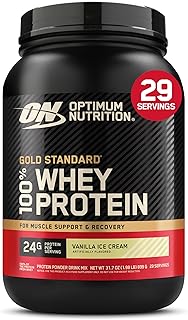
Optimum Nutrition Gold Standard 100% Whey Protein Powder — Vanilla Ice Cream, 2 lb — $44.99 — ⭐4.7 — Great value in a smaller tub.

Premier Protein Powder — Chocolate Milkshake, 30g protein, 1g sugar — $25.97 — ⭐4.6 — Low sugar, high protein. Excellent for clean energy.

Orgain Organic Vegan Protein Powder — Vanilla Bean, 21g plant protein — $31.52 — ⭐4.5 — Dairy-free and loaded with prebiotic fiber. Great for plant-based writers.

Dymatize ISO 100 Whey Protein Powder — Vanilla, 5 lb — $108.99 — ⭐4.7 — Hydrolyzed isolate for rapid absorption. Perfect post-writing workout.

Premier Protein Powder — Vanilla Milkshake, 30g protein — $31.60 — ⭐4.6 — Another low-sugar option that mixes into smoothies or coffee.

Transparent Labs Grass-Fed Whey Protein Isolate — French Vanilla, 28g protein — $59.99 — ⭐4.5 — Naturally flavored, no artificials. Clean label for health-conscious writers.

Body Fortress Super Advanced Whey Protein Powder — Vanilla, 3.9 lb — $45.28 — ⭐4.6 — Includes vitamins C & D plus zinc for immune support.

Six Star Whey Protein Powder — Triple Chocolate, 1.82 lb — $24.97 — ⭐4.5 — Budget-friendly with whey isolate and peptides for muscle gain.

Isopure Zero Carb 100% Pure Whey Isolate — Unflavored, 3 lb — $89.95 — ⭐4.4 — Zero carbs, 25g protein per serving. Versatile for cooking and baking.

Dymatize Elite 100% Whey Protein Powder — Rich Chocolate, 5 lb — $76.18 — ⭐4.6 — 25g protein with BCAAs for recovery.

Orgain Organic Vegan Protein + 50 Superfoods Powder — Vanilla Bean, 2.02 lb — $34.15 — ⭐4.6 — Extra nutrients for an energy boost.

Dymatize x Fruity Pebbles ISO100 — 20 servings — $42.48 — ⭐4.6 — Fun flavor, same high-quality isolate.

Dymatize Super Mass Gainer — Gourmet Vanilla, 8 servings — $39.98 — ⭐4.5 — For writers who need extra calories to fuel long sessions.

Levels Grass Fed Whey Protein Powder — Pure Chocolate, 2 lb — $44.99 — ⭐4.5 — No artificials, undenatured whey.

Vital Proteins Collagen Peptides Powder — Unflavored, 9.33 oz — $18.65 — ⭐4.6 — Supports hair, skin, joints — and writers’ posture.

NAKED Whey Vanilla Protein Powder — 24 servings — $44.99 — ⭐4.1 — Only three ingredients: grass-fed whey, vanilla, organic coconut sugar.

Nutricost Whey Protein Concentrate — Chocolate, 5 lb — $74.95 — ⭐4.5 — Reliable bulk option.

Orgain Organic Unflavored Vegan Protein Powder — 1.59 lb — $26.99 — ⭐4.3 — Unsweetened, perfect for adding to recipes without extra flavor.
Now go write characters that readers can’t forget. Start with a quirk, but build a soul. And while you write, keep your energy high with the right fuel — because a well-fed writer is a prolific one.