
What makes a character unforgettable? It's not just their heroic deeds or sharp dialogue. It's the small, peculiar details that make them feel like a real person you might meet at a coffee shop—or a gym. Think about the detective who always arranges his protein powder tubs by expiration date, or the villain who obsessively shakes her pre-workout blend before every speech. These specific behaviors, known as character quirks, turn flat archetypes into living, breathing individuals.
Character quirks are the secret sauce of storytelling. They add depth, humor, and relatability. Whether you're writing a novel, a screenplay, or a tabletop RPG, a well-placed quirk can anchor your character in the reader's mind. In this guide, we'll explore how to craft quirks that feel natural, provide an extensive list of examples across categories, and even show you how something as simple as a protein powder ritual can become a signature trait.
Table of Contents
What Are Character Quirks?
A quirk is a small, often repetitive behavior, habit, or trait that distinguishes a character from others. It doesn't have to be bizarre—sometimes the most memorable quirks are subtle. Think of the way a character holds their pen, the specific order they eat their food, or the sound they make when they're thinking.
Why do quirks matter? They reveal personality without telling. A character who always checks their watch during conversations might be anxious or impatient. One who folds their straw wrapper into tiny origami shows a need for control. Quirks also create consistency and believability. Real people have routines, tics, and odd preferences—your characters should too.
For a deeper dive into why quirks resonate, check out our related guide on 100 Unique Quirks for Characters to Make Them Memorable. It offers a quick reference for building memorable traits.
Types of Character Quirks
Quirks fall into several categories. Understanding these helps you mix and match traits to create layered personalities.
Physical Quirks
These involve body movements, facial expressions, or repetitive gestures. Examples include tapping fingers, cracking knuckles, or standing with one hand on the hip.
Verbal Quirks
Unique speech patterns, catchphrases, or pronunciations. A character might always say "literally" incorrectly, or end sentences with a question.
Behavioral Quirks
Habits or routines that define how a character interacts with the world. This includes everything from how they organize their desk to their morning rituals.
Emotional Quirks
How a character responds to stress, joy, or surprise. Some people laugh when nervous; others hum softly. These subtle reactions show inner states.
Relationship Quirks
Quirks that emerge in social contexts. A character might avoid eye contact, offer unsolicited advice, or always sit in the same seat at a meeting.
By blending these types, you create a full, nuanced personality.
How to Create Quirks That Feel Natural
A forced quirk can break immersion. Follow these steps to craft traits that flow organically from your character's backstory and personality.
-
Start with motivation. Why does your character do this? A gymnast might stretch repeatedly because she's always preparing for a routine. A paranoid scientist might count steps due to obsessive-compulsive tendencies.
-
Base quirks on real human behavior. Observe people around you. Notice how your coworker always stirs their coffee twelve times, or how your friend checks their phone every thirty seconds. These real-world observations translate perfectly into fiction.
-
Use contrast. A stern military officer who knits during briefings creates intrigue. A shy librarian who practices martial arts subverts expectations. Contrast makes quirks memorable.
-
Limit to two or three core quirks per character. Overloading a character with too many habits can feel chaotic. Focus on the most defining ones and let others fade into the background.
-
Make quirks serve a purpose. Does the quirk reveal backstory? Does it create conflict? A character who refuses to shake hands might have a phobia from a past trauma. That small detail can drive character development.
For more structured approaches, see The Ultimate List of Character Quirks for Fiction Writers. It offers categorized lists to spark inspiration.
Comprehensive List of Quirks with Examples
Below is an extensive list of quirks organized by category. Each comes with an example to show how it might play out in a story.
Physical Quirks
| Quirk | Example |
|---|---|
| Sighs deeply before speaking | A detective sighs before answering any question, signaling exhaustion or judgment. |
| Always adjusts glasses | A professor pushes their glasses up even when they're already in place. |
| Hums while walking | A nurse hums a cheerful tune during late-night rounds, unnerving colleagues. |
| Taps foot rhythmically | A musician taps a beat without realizing it, even during tense meetings. |
| Bites the inside of their cheek | A lawyer does this when holding back a sarcastic remark. |
Verbal Quirks
| Quirk | Example |
|---|---|
| Overuses a filler word like "basically" | A project manager says "basically" before every point, annoying their team. |
| Speaks in metaphors | A carpenter describes everything in woodworking terms: "This situation is like a knotty pine—hard to work with but beautiful once sanded." |
| Mispronounces common words | A CEO consistently says "supposably" instead of "supposedly." |
| Asks rhetorical questions | A politician asks questions they never expect answers to: "Isn't that just the truth?" |
| Repeats the last word of your sentence | A mimic does this to buy thinking time. |
Behavioral Quirks
| Quirk | Example |
|---|---|
| Organizes items by color | A graphic designer arranges their clothes, books, and even protein powder tubs by shade. |
| Always carries a specific object | A fitness influencer never leaves home without a shaker bottle and a packet of Premier Protein Powder, Chocolate Milkshake. |
| Eats food in a specific order | A picky eater always finishes vegetables before touching the main dish. |
| Clocks every doorway | A security guard subtly counts the number of people who pass through a door each day. |
| Checks the locks three times | A paranoid homeowner has a ritual of checking locks at bedtime, turning around to check twice more. |
Emotional Quirks
| Quirk | Example |
|---|---|
| Laughs when uncomfortable | A socialite giggles during bad news, making others question her empathy. |
| Cracks knuckles when stressed | A doctor cracks their knuckles in the break room before a difficult surgery. |
| Holds breath when concentrating | A programmer holds their breath while debugging, then exhales loudly when they find the bug. |
| Smiles with only one side of mouth | A poker player has a lopsided smirk that reveals their confidence or deceit. |
| Tears up easily during emotional scenes | A journalist cries during touching interviews, a weakness they try to hide. |
Relationship Quirks
| Quirk | Example |
|---|---|
| Always stands too close | A salesperson invades personal space to create a sense of urgency. |
| Avoids ending calls; lets them trail off | A friend never says goodbye, leaving conversations unfinished. |
| Interrupts with tangents | A storyteller can't stay on topic, often derailing discussions with unrelated anecdotes. |
| Nods excessively during conversations | A therapist nods to show empathy, even when they're mentally planning their dinner. |
| Copies the body language of others | A chameleon-like character unconsciously mirrors the person they're talking to. |
Using Protein Powder to Add Quirks
Given the context of protein powder, let's explore how this everyday product can become a character-defining quirk. Protein powder is versatile—it's associated with fitness, discipline, and even obsession. A character's relationship with their protein shake can reveal volumes about their lifestyle, values, and mental state.
Character Idea: The Protein Powder Purist
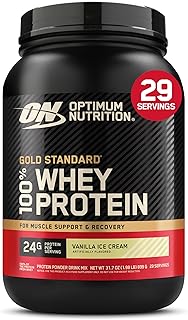
Liam is a former competitive bodybuilder turned personal trainer. He only trusts one brand: Optimum Nutrition Gold Standard 100% Whey Protein Powder, Vanilla Ice Cream, 5 Pound. He brings his own pre-measured scoop to restaurants, asks waitstaff for hot water to mix it, and scoffs at anyone who uses cheaper alternatives. His quirk shows his commitment to purity and his struggle to adapt to a non-gym world.
Character Idea: The Experimental Mixer
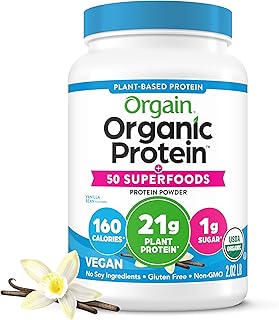
Priya is a broke college student who loves science experiments. She uses Orgain Organic Vegan Protein Powder, Vanilla Bean but adds bizarre ingredients like turmeric, spirulina, or leftover cereal. Her shaker is always stained neon colors. This quirk highlights her creativity, resourcefulness, and slightly chaotic approach to life.
Character Idea: The Secret Shaker
Marcus is a high-powered executive who pretends he's above fitness trends. But in his locked office drawer, he keeps a stash of Dymatize ISO 100 Whey Protein Powder, Vanilla 5 Pound and a sleek shaker bottle. He mixes his shakes only when he's sure no one is watching. This quirk reveals his hidden insecurity and desire to appear effortlessly perfect.
How to weave protein powder into a quirk:
- Have a character always carry a shaker bottle, even to formal events.
- Make them insist on a specific mixing technique (e.g., shake exactly 40 times).
- Create a ritual where they sniff the powder before mixing, or check the expiration date obsessively.
- Use different protein flavors as emotional markers (chocolate when happy, vanilla when stressed).
Protein powder can be more than nutrition—it can be a storytelling tool. For more ideas on integrating everyday objects into quirky habits, refer back to our 100 Unique Quirks for Characters to Make Them Memorable list.
Common Mistakes to Avoid When Creating Quirks
Even experienced writers can stumble. Here are pitfalls to steer clear of:
-
Mistaking tics for quirks. A tic is an involuntary action; a quirk should feel driven by personality or history. A character who twitches due to a neurological condition isn't quirky—it's a medical detail. Quirk implies choice or deeply ingrained habit.
-
Overloading the first introduction. Revealing five quirks on page one overloads the reader. Introduce quirks gradually, like peeling an onion.
-
Making quirks inconsistent. If your character never taps their foot in one scene and then does it constantly in another without reason, readers will notice. Consistency builds authenticity.
-
Relying on clichés. The quirky love interest who eats pizza crust first or the wise mentor who hums—these feel worn. Subvert expectations by pairing an unexpected quirk with a character's core.
-
Forgetting the quirk's impact on the plot. A quirk should sometimes matter beyond characterization. That straw-folding habit could lead to a coded message or a clue in a mystery.
FAQ: Character Quirks Explained
Q1: How many quirks should a main character have?
Aim for two to three core quirks that you emphasize. You can have minor, background quirks that appear rarely. Too many quirks can make a character feel like a caricature.
Q2: Can a quirk be negative?
Absolutely. Flaws are powerful quirks. A character who constantly interrupts shows selfishness. One who picks their nails until they're sore reveals anxiety. Negative quirks create conflict and growth opportunities.
Q3: How do I make a quirk feel original?
Combine two unrelated behaviors. For example, a character who recites poetry while shadowboxing creates a unique blend of intellect and aggression. Read widely and observe real people for inspiration.
Q4: Should quirks evolve over the story?
Yes, especially if the quirk stems from a character's arc. A shy character might stop humming when they gain confidence. A paranoid character might develop new security rituals after a breakthrough.
Q5: How does a protein powder quirk fit into a story?
It can symbolize discipline, obsession, health consciousness, or even secret indulgence. Use it to underline themes like identity, transformation, or social pressure. The key is to make it integral to the character's world.
FAQ Schema:
Recommended Protein Powders for Writers and Creatives
Staying focused during long writing sessions requires proper nutrition. Protein powder provides a quick, clean energy source without the crash of sugary snacks. Below are top-rated options that align with different dietary needs and budgets. Each product has been carefully selected for quality and taste.

- Price: $44.99 | Rating: 4.6
- A classic choice with 24g of whey protein isolate per serving. Mixes easily and tastes great in coffee or oatmeal.

- Price: $79.99 | Rating: 4.7
- The top-rated vanilla flavor with 24g protein per scoop. Excellent for shakes and baking.
- Price: $44.99 | Rating: 4.7
- Identical quality in a smaller package. Perfect for trying before committing to a larger tub.

- Price: $25.97 | Rating: 4.6
- Low sugar (1g) and high protein (30g). Gluten-free and great for keto diets.

- Price: $31.52 | Rating: 4.5
- Plant-based with 21g protein and 6g prebiotic fiber. No added sugar, ideal for sensitive stomachs.

- Price: $108.99 | Rating: 4.7
- Hydrolyzed whey isolate for fast absorption. 25g protein per serving, low carb and fat.

- Price: $31.60 | Rating: 4.6
- Another low-sugar option with 30g protein. Keto friendly and no soy.

- Price: $59.99 | Rating: 4.5
- Grass-fed, naturally flavored, and gluten-free. 28g protein per serving with 9 amino acids.

- Price: $45.28 | Rating: 4.6
- Affordable with added vitamins C and D plus zinc for immune support. 3.9 lbs.

- Price: $24.97 | Rating: 4.5
- Budget-friendly with whey isolate and peptides. 30g protein per serving.

- Price: $89.95 | Rating: 4.4
- Zero carb, unflavored option for complete customization. 25g protein per serving, 47 servings.

- Price: $76.18 | Rating: 4.6
- 25g protein, 5.5g BCAAs, and 2.7g leucine. Fast digesting for recovery.
- Price: $34.15 | Rating: 4.6
- Plant protein plus superfoods and 8g prebiotic fiber. No added sugar.

- Price: $42.48 | Rating: 4.6
- Fun flavor with 25g hydrolyzed whey isolate. Low cal and gluten free.

- Price: $39.98 | Rating: 4.5
- 52g protein and 1280 calories. Includes creatine and BCAAs for serious gains.

- Price: $44.99 | Rating: 4.5
- Grass-fed with no artificial ingredients. 24g protein per serving.

- Price: $18.65 | Rating: 4.6
- Supports hair, skin, nails, and joints. Unflavored, mixes into any drink.

- Price: $44.99 | Rating: 4.1
- Only 3 ingredients: grass-fed whey, vanilla, and organic coconut sugar. Minimal processing.

- Price: $74.95 | Rating: 4.5
- Pure whey concentrate with no additives. Good value for bulk use.

- Price: $26.99 | Rating: 4.3
- Unsweetened and unflavored plant protein. Perfect for smoothies without added taste.
Final Thoughts
Creating quirks for characters is both an art and a science. Start with observation, root each trait in personality, and let them unfold naturally through the story. Whether your character obsesses over protein powder, recites poetry while shadowboxing, or always taps their foot, these small details build a bridge between your fictional world and the reader's heart.
Remember, the best quirks are the ones that feel inevitable. When a reader thinks, "Of course that character would do that," you've succeeded. So go ahead—give your next character a harmless eccentricity. Shake up their routine with a scoop of originality. Your story will be stronger for it.
For more inspiration, revisit our guides on 100 Unique Quirks for Characters to Make Them Memorable and The Ultimate List of Character Quirks for Fiction Writers. Happy writing!