
Menopause brings a host of changes, and for many women, weight gain tops the list of frustrations. The scale creeps up, especially around the midsection, even when you haven’t changed your eating habits. It’s not your fault – hormonal shifts during perimenopause and menopause slow metabolism and alter how your body stores fat.
The good news? You don’t need extreme calorie restriction or punishing workouts to reclaim your body. Sustainable fat loss after menopause is possible with smart, hormone-friendly strategies. Let’s explore how.
Table of Contents
Understanding Menopause Weight Gain
During menopause, estrogen levels drop, leading to a redistribution of fat. The body starts storing more visceral fat (the deep belly fat linked to health risks) instead of subcutaneous fat. At the same time, muscle mass naturally declines, which lowers your resting metabolic rate.
This doesn’t mean fat loss is impossible – it means you need to work with your changing biology, not against it. Extreme dieting only stresses the body, raising cortisol and making weight loss even harder.
Smart Nutritional Shifts for Fat Loss
Prioritize Protein at Every Meal
Protein preserves muscle mass, which is your metabolic engine. Aim for 25–30 grams per meal. Good sources: eggs, lean poultry, fish, Greek yogurt, and plant-based proteins like lentils.
Add Fiber-Rich Foods
Fiber helps stabilize blood sugar and reduces cravings. Focus on vegetables, berries, oats, and legumes. A steady blood sugar level is key to managing menopause weight gain.
Consider Targeted Supplements
Certain nutrients can support metabolism and energy during this life stage. For example, Nature’s Bounty Chromium Picolinate (800 mcg, $7.49, rated 4.5) helps metabolize fats, proteins, and carbohydrates. Many women find it helps curb sugar cravings.

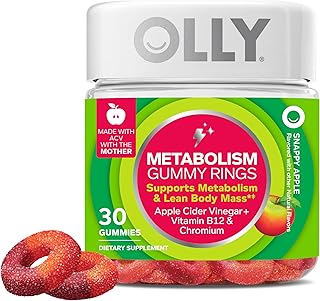
Another option is OLLY Metabolism Gummy Rings (Apple Cider Vinegar + Vitamin B12 + Chromium, $16.97, 4.3 stars), which makes it easy to support metabolism in a tasty chewable form.
Avoid Extreme Calorie Cuts
Dropping calories too low triggers starvation mode, making your body hold onto fat. Instead, create a modest deficit (300–500 calories below maintenance) and focus on nutrient density.
Movement That Works
Strength Training Is Non-Negotiable
Lifting weights builds muscle, which ramps up your metabolism. Aim for two to three sessions per week. Compound exercises like squats, deadlifts, and rows give the most bang for your buck.
Add Resistance with a Weighted Vest
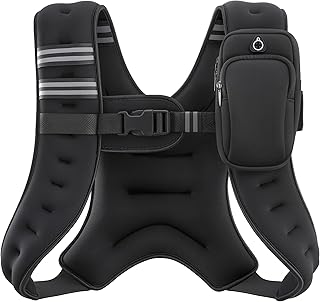
Walking is already great, but adding weight increases calorie burn and bone density. The ZELUS Weighted Vest (available in 6–30 lbs, $28.98, 4.6 stars) is a favorite – it’s comfortable, durable, and has reflective stripes for safety.
Include Low-Impact Cardio
High-intensity interval training (HIIT) can increase cortisol in some menopausal women. Instead, opt for brisk walking, swimming, or cycling for 30–45 minutes most days.
Supplements and Support Tools
While no pill replaces lifestyle changes, certain products can complement your efforts. Here are some science-backed options.
Thermogenic Fat Burners
Thermogenic Fat Burner Brazilian Lean ($9.99, 4.1 stars) is designed to boost metabolism and reduce bloating. It contains natural ingredients that may support fat oxidation.

Digestive Support
Bloating is common during menopause. Purely Inspired 7-Day Detox Cleanse ($9.99, 4.2 stars) uses senna leaf, apple cider vinegar, and probiotics to support digestion and reduce water retention.

Collagen for Body Composition
Premium Liquid Collagen for Women Weight Loss & Beauty ($26.95, 4.4 stars) combines collagen with hyaluronic acid, biotin, and L-carnitine. It supports skin elasticity and may help with lean mass retention.

Prescription Options
For those with significant weight concerns, medical options exist. alli Weight Loss Diet Pills (Orlistat 60 mg, $65.99, 4.2 stars) is an over-the-counter lipase inhibitor that blocks fat absorption. Always consult a doctor before use.

Prescription medications like Zepbound (tirzepatide, $25.00) and Contrave ($50.00) are available through healthcare providers. Phendimetrazine ($4.00) is an appetite suppressant that requires a prescription.
Quick Comparison of Popular Menopause Weight Loss Aids
| Product | Price | Key Benefit | Rating | Buy at Amazon |
|---|---|---|---|---|
| alli |
$65.99 | Blocks fat absorption | 4.2 | Buy Now |
| OLLY Metabolism Gummies |
$16.97 | Metabolism support + energy | 4.3 | Buy Now |
| Premium Liquid Collagen |
$26.95 | Collagen + L-carnitine for lean mass | 4.4 | Buy Now |
| Nature's Bounty Chromium |
$7.49 | Sugar metabolism & cravings | 4.5 | Buy Now |
| Brazilian Lean |
$9.99 | Thermogenic + anti-bloat | 4.1 | Buy Now |
| Purely Inspired 7-Day Detox |
$9.99 | Whole body cleanse | 4.2 | Buy Now |
| ZELUS Weighted Vest |
$28.98 | Adds resistance to walking | 4.6 | Buy Now |
Rest and Stress Management
Chronic stress elevates cortisol, which encourages belly fat storage and disrupts sleep. Both are major contributors to menopause weight gain.
- Prioritize 7–8 hours of quality sleep each night.
- Incorporate stress-reducing practices: meditation, deep breathing, or gentle yoga.
- Avoid late-night eating, which can spike blood sugar.
Creating Sustainable Habits
The secret to fat loss without extreme dieting is consistency over perfection. Start with one or two small changes:
- Swap one sugary drink for water.
- Add a 20-minute walk after dinner.
- Replace one processed snack with protein-rich food.
Track your progress by how you feel, not just the scale. Energy levels, sleep quality, and mood are equally important.
FAQ About Menopause Weight Gain
1. Why does menopause cause belly fat specifically?
The drop in estrogen shifts fat storage from hips and thighs to the abdomen. This visceral fat is more metabolically active and harder to lose, but it responds well to strength training and a low-sugar diet.
2. Can I lose weight during menopause without cutting calories drastically?
Absolutely. Focus on protein, fiber, and whole foods. A small calorie deficit (300–500 less than maintenance) combined with regular strength training is effective and sustainable.
3. Are fat burner supplements safe for menopausal women?
Some, like thermogenics or chromium, can be safe when used as directed. Always check for interactions with any medications. Prescription options like alli or Zepbound should only be used under medical supervision.
4. How much exercise do I need to lose weight after menopause?
Aim for 150 minutes of moderate cardio plus two strength sessions per week. Even walking with a weighted vest can boost results without stressing your joints.
5. Will collagen help with menopause weight loss?
Collagen supports muscle and skin health, which is beneficial for body composition. While not a direct fat burner, it can help preserve lean mass during weight loss.
Menopause weight gain doesn’t have to be a life sentence. By understanding your body’s new needs and making gentle, consistent changes, you can lose fat without extreme dieting. Focus on protein, strength training, quality sleep, and smart supplementation. Your body is capable of transformation at any age – you just need the right map.