
Bringing a new life into the world is a beautiful, transformative experience—but it also brings changes to your body that can feel overwhelming. You want to feel like yourself again, yet crash diets and extreme workouts aren’t the answer. Safe, sustainable postpartum weight loss requires patience, self-compassion, and a plan that respects your hormonal shifts. This guide walks you through practical, life-based steps that honor your recovery while helping you shed the baby weight gradually. From nutrition tweaks to gentle movement, you’ll learn how to nourish your body and mind without sacrificing your health or your baby’s needs.
Table of Contents
Understanding Postpartum Weight Loss: The First Six Months
Your body has undergone nine months of incredible changes. Losing weight too quickly can interfere with milk production, energy levels, and emotional well-being. Most experts recommend waiting until your six-week postpartum checkup before actively trying to lose weight. After that, aim for about 1–1.5 pounds per week if you’re breastfeeding, or up to 2 pounds per week if you’re not.
Key factors that affect postpartum weight loss:
- Hormonal shifts: Estrogen and progesterone drop sharply after birth, while prolactin (needed for milk production) stays high. This combination can slow metabolism and increase fat storage.
- Sleep deprivation: Lack of sleep raises cortisol, a stress hormone that promotes belly fat retention.
- Nutritional needs: If you’re breastfeeding, you need an extra 300–500 calories daily to maintain milk supply.
Remember: your body just accomplished a miracle. Give yourself grace during this stage. Focus on nutrients, not restriction.
Hormonal Factors That Impact Weight Loss After Baby
The postpartum period is ruled by hormones. Understanding them helps you work with your body instead of against it.
| Hormone | Role in Postpartum | Impact on Weight |
|---|---|---|
| Prolactin | Stimulates milk production | Can suppress metabolism; promotes fat storage for energy |
| Cortisol | Stress hormone, elevated due to sleep loss | Encourages abdominal fat accumulation |
| Thyroid hormones | Often dip after birth (postpartum thyroiditis) | Slows metabolic rate |
| Insulin | Sensitivity decreases temporarily | Makes carb cravings stronger |
Practical steps to balance hormones:
- Prioritize protein at every meal to stabilize blood sugar.
- Eat small, frequent meals to avoid insulin spikes.
- Manage stress with deep breathing or short walks.
- Get sunlight in the morning to regulate circadian rhythm.
Gentle movement like walking can lower cortisol and boost mood without overtaxing your healing body.
Safe Nutrition: Eat for Energy, Not for Deprivation
Postpartum weight loss isn’t about eating less—it’s about eating smarter. Your body needs extra nutrients to recover and, if nursing, to produce quality milk.
Focus on these food groups:
- Lean protein: Chicken, fish, eggs, legumes, Greek yogurt.
- Healthy fats: Avocado, nuts, seeds, olive oil.
- Complex carbs: Quinoa, oats, sweet potatoes, whole grains.
- Fiber-rich vegetables: Leafy greens, broccoli, bell peppers.
- Iron-rich foods: Spinach, lentils, red meat (to replenish blood loss).
Sample one-day eating plan for a nursing mom:
| Meal | Food Ideas |
|---|---|
| Breakfast | Oatmeal with berries, nuts, and a scoop of protein powder |
| Snack | Apple slices with almond butter |
| Lunch | Grilled chicken salad with quinoa and vinaigrette |
| Snack | Greek yogurt with chia seeds |
| Dinner | Salmon, roasted sweet potatoes, and steamed broccoli |
| Evening | A small glass of milk or a protein shake |
Hydration is critical—drink at least 2–3 liters of water daily. Dehydration tricks your body into thinking it’s hungry.
Gentle Exercise: Rebuild Strength Safely
Your pelvic floor and core need time to heal. Jumping into high-intensity workouts too soon can lead to diastasis recti (ab separation) or pelvic organ prolapse. Start with these safe moves:
Weeks 1–6 (healing phase):
- Deep breathing exercises (diaphragmatic)
- Kegels (pelvic floor contractions)
- Gentle walking for 10–15 minutes
Weeks 6–12 (rebuilding phase):
- Short walks increasing to 30 minutes
- Pelvic tilts and bridges
- Cat-cow and child’s pose stretches
After 12 weeks (strengthening phase):
- Full-body strength training (bodyweight or light dumbbells)
- Pilates or yoga (postnatal classes)
- Swimming or water aerobics
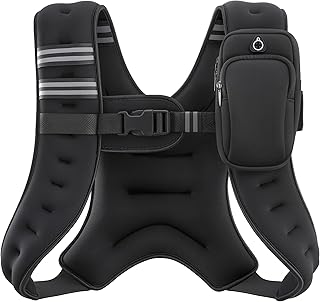
A weighted vest can gradually add resistance as you get stronger. The ZELUS Weighted Vest (6–30 lbs) is adjustable and includes a reflective stripe for safe outdoor walks. It’s rated 4.6 stars by 15,900+ users and priced at $28.98—a smart investment for progressive training.
Supplements That Support Postpartum Weight Loss
A nutrient-dense diet is your foundation, but certain supplements can help fill gaps and support metabolism. Always check with your doctor before starting any new product, especially if breastfeeding.
Top picks for postpartum women:
- Chromium Picolinate: Supports sugar and fat metabolism. Nature’s Bounty Chromium Picolinate 800 mcg costs $7.49 and has a 4.5-star rating with 8,600 reviews. It helps curb carb cravings.
- Apple Cider Vinegar Gummies: OLLY Metabolism Gummy Rings combine ACV, vitamin B12, and chromium for $16.97 (4.3 stars, 7,100 reviews). They’re easy to take and taste like candy.
- Liquid Collagen: Premium Liquid Collagen with hyaluronic acid, biotin, and L-carnitine ($26.95, 4.4 stars) supports skin elasticity and metabolism. A great option for new moms worried about loose skin.
- Thermogenic Fat Burner: Brazilian Lean Thermogenic ($9.99, 4.1 stars) can increase calorie burn, but use cautiously while nursing. It also helps reduce bloating.
Prescription options (only under medical guidance):
If you struggle significantly with weight loss despite lifestyle changes, your doctor may discuss medications like Contrave ($50.00) or Zepbound ($25.00). These are not first-line for postpartum and require careful supervision.
Purely Inspired 7-Day Detox Cleanse ($9.99, 4.2 stars) can jump-start digestion but should not replace long-term habits.
Comparison Table: Top Weight Loss Aids for Postpartum Moms
| Product | Price | Rating | Key Benefits | Buy at Amazon |
|---|---|---|---|---|
 alli Weight Loss Pills alli Weight Loss Pills |
$65.99 | 4.2 | Blocks fat absorption; non-prescription | Buy Now |
 Nature's Bounty Chromium Picolinate Nature's Bounty Chromium Picolinate |
$7.49 | 4.5 | Supports sugar metabolism; reduces cravings | Buy Now |
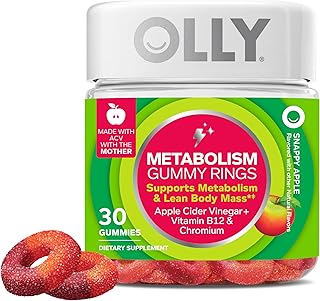 OLLY Metabolism Gummy Rings OLLY Metabolism Gummy Rings |
$16.97 | 4.3 | ACV + B12 + chromium; tasty gummies | Buy Now |
 Premium Liquid Collagen Premium Liquid Collagen |
$26.95 | 4.4 | Collagen + biotin + L-carnitine; skin and metabolism | Buy Now |
 Brazilian Lean Thermogenic Fat Burner Brazilian Lean Thermogenic Fat Burner |
$9.99 | 4.1 | Thermogenic boost; bloating relief | Buy Now |
| ZELUS Weighted Vest |
$28.98 | 4.6 | Adjustable weight; reflective stripe | Buy Now |
Note: Always consult your healthcare provider before using any supplement, especially while breastfeeding.
Mindset & Lifestyle Habits That Make a Difference
Weight loss is 80% mental. Postpartum is a season of survival, not perfection. Adopt these mindset shifts:
- Focus on non-scale victories: Better energy, fitting into pre-pregnancy jeans, feeling stronger.
- Sleep when you can. Even a 20-minute nap lowers cortisol.
- Ask for help. Let your partner or family take over meals or baby duties so you can prioritize movement.
- Avoid comparison. Every woman’s timeline is different.
Create a support system. Join a new-moms fitness group or online community. Accountability keeps you consistent.
FAQ: Postpartum Weight Loss
When can I start exercising after giving birth?
Talk to your doctor first. For vaginal deliveries with no complications, light walking can begin immediately. Wait until your six-week checkup for more vigorous activity. After a C-section, wait at least 8–12 weeks.
Is it safe to use weight loss supplements while breastfeeding?
Some are safe in moderation, but many contain ingredients that can pass into breast milk. Always run any supplement by your pediatrician or lactation consultant.
How much weight should I lose per week?
1–1.5 lbs is a healthy rate for breastfeeding moms. Losing more than 2 lbs per week can compromise milk supply and nutrient stores.
Will breastfeeding help me lose weight?
It burns about 300–500 calories daily, but it also increases appetite. Many women retain some weight while nursing due to hormonal changes. Weight often drops after weaning.
What if I have diastasis recti?
Avoid crunches, planks, and twisting exercises. Work with a pelvic floor physical therapist to heal the separation first. Gentle core strengthening is safe.
Can stress prevent weight loss?
Yes. High cortisol encourages belly fat storage. Prioritize stress management: meditation, deep breathing, or short walks.
Final takeaway: Postpartum weight loss is a marathon, not a sprint. By nourishing your body, moving gently, managing stress, and using targeted supplements when needed, you can lose weight safely without sacrificing your health or your baby’s well-being. Small, consistent steps lead to lasting results—and you deserve to feel strong and confident in your new role as a mother.