
Your gut is your second brain. When it’s happy, you feel energised, focused and ready to crush your goals. When it’s off, everything feels heavier. So choosing the right protein powder isn't just about building muscle — it’s about building a body that works with you, not against you. If you’ve ever felt bloated, sluggish or uncomfortable after a whey shake, you’re not imagining it. Flora protein (plant-based protein from sources like pea, hemp, rice, and pumpkin) offers a gentler, smarter path for your digestive system. Let’s dive deep into why switching to flora protein can transform your gut health and your performance.
Table of Contents
Understanding Gut Health and Protein Digestion
Your digestive system is home to trillions of bacteria, enzymes, and immune cells. Protein digestion starts in your stomach with acid and enzymes, but the real work happens in your small intestine. Different proteins break down at different rates, and some leave behind byproducts that can irritate your gut lining or feed harmful bacteria.
Whey protein is derived from milk and contains lactose. While it is fast-absorbing and rich in branched-chain amino acids (BCAAs), it can be a nightmare for anyone with lactose sensitivity or a compromised gut. Flora protein, on the other hand, is lactose-free, naturally anti-inflammatory, and often packed with fibre and prebiotics that support healthy digestion.
Why Whey Protein Can Wreck Your Gut
Whey is not inherently bad — millions of people use it successfully. But if you’re one of the 65–70% of the global population with reduced lactase activity, whey can trigger bloating, cramping, gas, and diarrhoea. Even if you’re not officially lactose intolerant, whey concentrate contains significant lactose, and whey isolate still has trace amounts.
Beyond lactose, whey protein can cause inflammation in sensitive individuals. Studies suggest that dairy proteins may increase intestinal permeability (leaky gut) in some people, especially when consumed in large amounts. The rapid digestion of whey can also spike insulin and cause glucose fluctuations that affect your energy and mood.
Common symptoms of whey-induced gut distress:
- Bloating and gas within 30–60 minutes after consumption
- Loose stools or diarrhoea
- Stomach cramps or nausea
- Skin breakouts (linked to inflammation)
- Brain fog or fatigue
If you experience any of these, your gut is sending a clear signal. Switching to Orgain Organic Vegan Protein Powder — a top-rated flora protein — can be the first step to relief.
What Is Flora Protein? (A Gut-Friendly Breakdown)
Flora protein refers to protein sourced from plants — seeds, legumes, and grains. The most common types include:
| Source | Protein Content (per 30g serving) | Key Benefit for Gut Health |
|---|---|---|
| Pea protein | ~24g | High in arginine, easy to digest |
| Brown rice protein | ~22g | Hypoallergenic, gentle on the gut |
| Hemp protein | ~15g | Rich in fibre and omega-3s |
| Pumpkin seed protein | ~18g | Zinc and magnesium for gut repair |
| Soy protein | ~25g | Contains prebiotic oligosaccharides |
Most flora proteins are blends — combining sources like pea and rice to create a complete amino acid profile. Unlike whey, they contain zero lactose and zero animal hormones. Many are also organic and free from artificial additives that can disrupt your microbiome.
5 Reasons Flora Protein Is Superior for Gut Health
1. No Lactose, No Digestive Drama
Lactose is a disaccharide sugar found in milk. Your body needs the enzyme lactase to break it down. As you age, lactase production naturally declines. Flora protein contains no dairy whatsoever — it’s naturally lactose-free.
The result: You get all the protein you need without the gas, bloating, or bathroom emergencies. For anyone with irritable bowel syndrome (IBS) or dairy sensitivity, this alone is a game-changer.
2. Fibre and Prebiotics for a Thriving Microbiome
Most whey protein powders contain zero fibre. But your gut bacteria need fibre to produce short-chain fatty acids (SCFAs) that feed your colon cells and reduce inflammation. Many flora proteins come with added fibre or naturally contain it.
Take Orgain Organic Vegan Protein + 50 Superfoods — it delivers 8g of prebiotic fibre per serving. That fuels beneficial bacteria like Bifidobacterium and Lactobacillus, which improve digestion, immunity, and even mood.
3. Lower Inflammatory Response
Whey protein can trigger an inflammatory cascade in sensitive individuals due to its dairy origin and high leucine content. Flora proteins, especially pea and hemp, contain anti-inflammatory compounds like antioxidants, omega-3s, and polyphenols.
A 2022 review in Nutrients found that plant-based proteins reduced markers of inflammation (like CRP) compared to animal proteins. Less inflammation means better gut lining integrity and fewer leaky gut symptoms.
4. Gentle on the Gut Lining
Whey is rapidly digested — that’s good for muscle repair but can be harsh on a sensitive gut. Flora protein digests more slowly, giving your digestive enzymes more time to work without overwhelming your system. Slow digestion also promotes a steady release of amino acids, supporting gut cell repair overnight.
Pea protein is particularly easy on the stomach. It’s low in anti-nutrients compared to soy and is often processed to remove compounds that cause gas (like raffinose). Many users report feeling “lighter” after switching to pea-based blends.
5. Supports Detoxification Pathways
Your liver and gut work together to filter toxins. Flora proteins like hemp and pumpkin seed are rich in chlorophyll and zinc — nutrients that support detox enzymes. Whey, on the other hand, contains growth factors that may promote inflammation in the gut. For people with leaky gut or autoimmune conditions, flora protein is a safer, more supportive choice.
Comparing Digestibility: Whey vs. Flora Protein
To truly understand why flora protein wins for gut health, look at the digestibility scores:
| Metric | Whey (Isolate) | Pea Protein | Brown Rice Protein |
|---|---|---|---|
| Protein Digestibility Corrected Amino Acid Score (PDCAAS) | 1.0 | 0.89 | 0.75 |
| Digestible Indispensable Amino Acid Score (DIAAS) | 1.09 | 0.82 | 0.64 |
| Lactose content | 0.5–1g per serving | 0g | 0g |
| Fibre per serving | 0g | 2–4g | 1–2g |
| Gut irritants | Lactose, beta-lactoglobulin | None | None |
While whey scores higher on PDCAAS, the difference is negligible in a balanced diet. The real advantage of flora protein is the absence of lactose and presence of fibre — both of which are critical for gut health.
Flora Protein Recipes That Heal Your Gut
One of the best ways to incorporate flora protein is through Top 10 Flora Protein Recipes for Muscle Recovery. These recipes use gentle ingredients like oat milk, bananas, and ginger to reduce inflammation while delivering protein. A simple gut-soothing shake:
- 1 scoop Orgain Organic Unflavored Vegan Protein Powder
- 1 cup unsweetened almond milk
- ½ frozen banana
- 1 tbsp chia seeds (fibre boost)
- Pinch of cinnamon
Blend and enjoy — zero bloat, 21g protein, and 8g fibre.
Common Myths About Flora Protein and Gut Health
Myth 1: “Plant protein is incomplete.”
Reality: Blends of pea and rice provide all essential amino acids. Your body doesn’t need every amino acid in one meal; it just needs them over the day.
Myth 2: “Flora protein causes gas.”
Reality: Cheaply processed isolates may contain oligosaccharides that ferment. High-quality brands like Orgain use advanced processing to minimise this. Start with a small serving and increase gradually.
Myth 3: “Whey is the only option for muscle gain.”
Reality: Many competitive athletes now use flora protein exclusively. It supports muscle repair just as effectively when total protein intake is adequate.
If you want a deeper dive, check out Flora Protein: The Complete Guide to Plant-based Protein Sources to understand how to choose the best option for your goals.
FAQ: Flora Protein vs. Whey for Gut Health
Q: Can I use flora protein if I have IBS?
A: Absolutely. Most flora proteins are low-FODMAP (especially pea protein isolate). Avoid powders with added chicory root inulin if you’re sensitive.
Q: How much flora protein should I take daily for gut health?
A: Start with one scoop (20–25g) and increase to two scoops if tolerated. Pair with a fibre-rich meal for optimal digestion.
Q: Is pea protein better than hemp for digestion?
A: Pea protein is usually more refined and easier to digest. Hemp has more fibre but can be heavier. Choose based on your tolerance.
Q: Will I lose muscle if I switch from whey to flora protein?
A: Not at all. As long as you meet your total protein needs (1.6–2.2g per kg of body weight), your muscles will thrive. Many bodybuilders now use flora blends.
Q: Does flora protein cause inflammation?
A: No — most plant proteins are anti-inflammatory. Soy can be an exception for some people, but pea and rice are very well tolerated.
Q: Can I blend flora protein with probiotics?
A: Yes. In fact, adding a probiotic to your flora protein shake can enhance gut health further. Just avoid high-heat mixing that might kill the probiotics.
Top Recommended Protein Powders
If you’re ready to test the difference, here are two excellent options — one whey and one flora — so you can compare. We’ve included the bestselling whey powders too, for those who still want a dairy option with a gentle formula.
Flora Protein Picks (Gut-Friendly)

Orgain Organic Vegan Protein Powder (Vanilla Bean) — $31.52 — ⭐ 4.5
21g plant protein + 6g prebiotic fibre. Lactose-free, soy-free, no added sugar.

Orgain Organic Unflavored Vegan Protein Powder — $26.99 — ⭐ 4.3
Unsweetened and pure — perfect for smoothies without any artificial flavours.
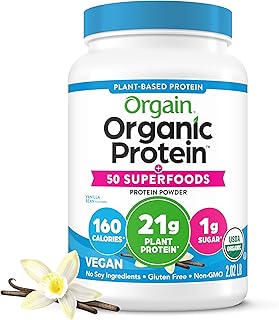
Orgain Organic Vegan Protein + 50 Superfoods — $34.15 — ⭐ 4.6
8g prebiotic fibre per serving — excellent for microbiome support.
Popular Whey Options (if you still want dairy)

Optimum Nutrition Gold Standard Whey (Double Rich Chocolate, 1.98 lb) — $44.99 — ⭐ 4.6
Fast-absorbing, high-quality whey — but contains lactose.

Optimum Nutrition Gold Standard Whey (Vanilla Ice Cream, 5 lb) — $79.99 — ⭐ 4.7
A larger tub for regular users — still a dairy-based choice.

Premier Protein Powder (Chocolate Milkshake) — $25.97 — ⭐ 4.6
Low sugar, high protein — but still whey-based.

Dymatize ISO 100 Whey Protein Powder (Vanilla, 5 lb) — $108.99 — ⭐ 4.7
Hydrolysed whey isolate for faster digestion — still contains trace dairy.

Transparent Labs Grass-Fed Whey Protein Isolate (French Vanilla) — $59.99 — ⭐ 4.5
Grass-fed and clean — but still dairy.

Body Fortress Super Advanced Whey Protein (Vanilla, 3.9 lb) — $45.28 — ⭐ 4.6
Affordable and with added vitamins — still contains lactose.

Six Star Whey Protein Plus (Triple Chocolate, 1.82 lb) — $24.97 — ⭐ 4.5
Budget-friendly whey blend.

Isopure Zero Carb Whey Isolate (Unflavored, 3 lb) — $89.95 — ⭐ 4.4
Zero carbs, pure protein — but still dairy.

Dymatize Elite 100% Whey Protein (Rich Chocolate, 5 lb) — $76.18 — ⭐ 4.6
Fast-digesting whey with BCAAs.

Dymatize ISO100 Fruity Pebbles — $42.48 — ⭐ 4.6
Fun flavour, hydrolysed isolate — still dairy.

Dymatize Super Mass Gainer (Gourmet Vanilla) — $39.98 — ⭐ 4.5
High-calorie mass gainer with whey and casein.

Levels Grass Fed Whey Protein (Pure Chocolate, 2 lb) — $44.99 — ⭐ 4.5
Grass-fed, undenatured — but still dairy.

Vital Proteins Collagen Peptides (Unflavored) — $18.65 — ⭐ 4.6
Not a complete protein, but supports gut lining repair.

NAKED Whey Vanilla Protein Powder — $44.99 — ⭐ 4.1
Minimal ingredients — still dairy.

Nutricost Whey Protein Concentrate (Chocolate, 5 lb) — $74.95 — ⭐ 4.5
Pure whey concentrate — highest lactose content.
Your Next Step
Your gut health is the foundation of your energy, immunity, and mental clarity. By switching to flora protein, you’re not just choosing a different powder — you’re investing in a system that works with your body. Start with one scoop of a high-quality plant-based protein like Orgain and notice how your digestion feels after a week. No bloating. No guilt. Just pure, clean fuel.
Remember, you don’t have to give up whey forever. But if your gut has been sending you signals, respect them. Try flora protein for 14 days. Your stomach — and your future self — will thank you.