
If you’re building muscle, recovering smarter, or simply fuelling your body with cleaner energy, you’ve probably noticed the surge in plant-based protein options. Flora protein — protein derived from plants — isn’t just a trend; it’s a powerful, sustainable way to meet your daily protein needs without the digestive stress that some animal-based powders can cause. Whether you’re a dedicated vegan or just looking to diversify your protein intake, understanding flora protein sources can transform your nutrition game.
This complete guide breaks down everything you need to know about plant-based protein powders, from amino acid profiles to choosing the right product for your goals. We’ll also spotlight top-rated options, including the standout Orgain Organic Vegan Protein Powder, Vanilla Bean that delivers 21g of plant protein per serving with no added sugar.
Table of Contents
What Is Flora Protein?
Flora protein refers to protein extracted from plants — think peas, brown rice, hemp, soy, chia, and pumpkin seeds. Unlike whey or casein which come from dairy, flora protein is completely plant-based. The term “flora” ties back to the Latin word for plant life, emphasising the natural, whole-food origin of these powders.
Plant-based protein powders have evolved significantly. Early versions were gritty, chalky, and lacked essential amino acids. Today’s high-quality blends are smooth, complete, and often fortified with digestive enzymes and prebiotic fibre. A great example is the Orgain Organic Vegan Protein + 50 Superfoods Powder which combines 21g plant protein with 8g prebiotic fibre and a blend of superfoods.
Why Choose Flora Protein Over Whey?
Many people assume whey is the gold standard for muscle building, but flora protein holds its own — and often outperforms in gut health. If you’re lactose intolerant, sensitive to dairy, or simply want a cleaner protein source, plant-based options are a smart choice.
Key benefits of flora protein:
- Easier digestion — Most plant proteins are naturally lactose-free and gentle on the stomach.
- Complete amino acid profile — When blended (e.g., pea + rice), plant proteins deliver all nine essential amino acids.
- Alkaline effect — Unlike dairy, plant proteins don’t acidify the body, which may support recovery.
- Environmental sustainability — Plant protein production uses significantly less water and land.
- Added nutrients — Many plant powders include fibre, antioxidants, and phytonutrients.
For a deeper dive into digestive advantages, read our guide on Why Flora Protein Is Better for Gut Health Than Whey? .
Complete Amino Acid Profile: Can Plants Really Build Muscle?
One persistent myth is that plant proteins are “incomplete.” While it’s true that most single-source plant proteins lack one or two essential amino acids (e.g., rice is low in lysine, pea is low in methionine), combining complementary sources creates a complete profile. Most quality plant protein blends use pea, rice, and sometimes hemp or soy to cover all bases.
Amino acid comparison (per 30g serving):
| Amino Acid | Pea Protein | Rice Protein | Whey Isolate |
|---|---|---|---|
| Leucine (BCAA) | ~2.4g | ~2.0g | ~2.6g |
| Lysine | ~2.0g | ~0.6g | ~2.4g |
| Methionine | ~0.3g | ~0.8g | ~0.8g |
Blends like the Orgain Organic Vegan Protein Powder are designed to provide a complete amino acid profile so you don’t have to worry about balancing. The result? Muscle recovery and growth that rivals whey — without the bloat.
Top Plant-Based Protein Sources (Whole Foods & Powders)
Understanding where your protein comes from helps you make smarter choices. Here are the most common flora protein sources used in powders, plus whole-food options.
1. Pea Protein
Pea protein is extracted from yellow split peas. It’s rich in iron and branched-chain amino acids (BCAAs), especially leucine, which triggers muscle protein synthesis. It digests slowly, keeping you fuller longer.
2. Brown Rice Protein
Brown rice protein is hypoallergenic and easily digestible. On its own, it’s low in lysine, but when paired with pea protein, it creates a complete protein. Many premium blends use this exact combination.
3. Hemp Protein
Hemp seeds are a complete protein, containing all essential amino acids plus omega-3 and omega-6 fatty acids. The protein content is lower per gram than pea or rice, but the added healthy fats make it a nutritional powerhouse.
4. Soy Protein
Soy is one of the few plant proteins that is complete on its own. It’s highly researched and supports muscle growth as effectively as whey. However, some people avoid soy due to allergies or GMO concerns — always choose non-GMO organic.
5. Pumpkin Seed Protein
A less common but emerging source, pumpkin seed protein is rich in magnesium, zinc, and antioxidants. It has a mild, nutty flavour that blends well into smoothies.
6. Chia & Flax
These seeds are not typically used as primary protein sources in powders due to lower protein density, but they add fibre and omega-3s. They’re great as whole-food add-ons.
How to Choose the Best Flora Protein Powder
With so many options on the market, selecting the right powder can feel overwhelming. Focus on these five criteria to cut through the noise.
Protein Content Per Serving
Look for at least 20g of protein per scoop. Some budget powders skimp on protein and bulk with fillers. Check the label — the first ingredient should be a protein blend (e.g., pea protein isolate, brown rice protein).
Ingredient Cleanliness
Avoid powders with artificial sweeteners, gums, or hydrogenated oils. Organic, non-GMO certifications are a plus. The Orgain Organic Unflavored Vegan Protein Powder is a great example of a clean, unsweetened option with only organic plant protein.
Digestive Support
Many plant proteins contain added digestive enzymes (like bromelain or papain) and probiotics to reduce bloating. Prebiotic fibre is also a bonus — it feeds good gut bacteria and supports regularity.
Amino Acid Profile
Ensure the powder lists the amino acid breakdown. Leucine should be at least 2g per serving to effectively stimulate muscle protein synthesis. Blends with pea and rice protein are typically well-balanced.
Taste & Mixability
Let’s be honest: taste matters. Vanilla and chocolate are classic, but unflavoured options give you more control. Read reviews and consider trying a small tub first. The Orgain Organic Vegan Protein Powder, Vanilla Bean consistently earns high marks for flavour and smooth texture.
Flora Protein and Gut Health
One of the biggest advantages of plant-based protein is its positive impact on gut health. Animal-based proteins, especially whey concentrate, can cause inflammation and bloating in sensitive individuals.
Flora protein, on the other hand, often comes with prebiotic fibre that feeds beneficial gut bacteria. The Orgain Organic Vegan Protein + 50 Superfoods Powder contains 8g of prebiotic fibre per serving — that’s more fibre than most whole-food meals. This supports digestion, regularity, and even immune function.
For a deeper look at why plant protein outshines whey for digestive comfort, check out our article: Why Flora Protein Is Better for Gut Health Than Whey? .
How to Use Flora Protein Powder
Plant-based protein powders are incredibly versatile. Here are practical ways to incorporate them into your daily routine.
- Morning smoothie — Blend one scoop vanilla plant protein with banana, spinach, almond milk, and a tablespoon of almond butter.
- Post-workout shake — Mix with water or unsweetened plant milk for a fast-absorbing recovery drink.
- Baking — Substitute up to 1/4 of the flour in muffins, pancakes, or energy balls with unflavoured plant protein.
- Oatmeal boost — Stir a scoop into hot oats along with cinnamon and berries.
- Savoury soups — Unflavoured pea protein can thicken soups and stews without altering taste.
For creative, muscle-supporting recipes, explore our Top 10 Flora Protein Recipes for Muscle Recovery .
Flora Protein vs. Whey: Which Is Right for You?
Both protein types can help you build muscle, but your personal needs and preferences matter. Here’s a quick comparison.
| Factor | Flora Protein | Whey Protein |
|---|---|---|
| Source | Plants (peas, rice, hemp) | Cow’s milk |
| Lactose | Free | Contains (except isolate) |
| Digestibility | Generally very gentle | Can cause bloating |
| Complete protein | With blends | Naturally complete |
| Environmental impact | Low | Higher |
| Price per serving | Moderate | Usually lower (concentrate) |
If you’re looking for a lactose-free, gut-friendly option that supports sustainability, flora protein is the clear winner. And thanks to modern blending technology, you don’t sacrifice muscle-building power.
Expert Insights on Plant-Based Protein
Dr. Michelle Davenport, a registered dietitian and plant-based nutrition specialist, states: “Pea and rice protein blends are now scientifically proven to support muscle protein synthesis as effectively as whey, especially when consumed post-exercise. The key is ensuring adequate leucine intake — around 2–2.5g per serving.”
This is exactly why products like the Orgain Organic Vegan Protein Powder are formulated with a precise pea-rice ratio to deliver optimal leucine levels.
Frequently Asked Questions About Flora Protein
Q: Is flora protein as effective as whey for muscle gain?
Yes, when the right blend is used. Pea and rice protein combinations provide a complete amino acid profile with sufficient leucine to stimulate muscle protein synthesis. Multiple studies show no significant difference in muscle growth between whey and high-quality plant protein when total protein intake is matched.
Q: Can I use flora protein powder if I’m not vegan?
Absolutely. Many non-vegans use plant protein to diversify their sources and improve digestion. It’s a great option for anyone who experiences bloating or discomfort from dairy-based powders.
Q: Does plant protein cause bloating?
Some people experience minor bloating when switching from whey due to the higher fibre content. This usually subsides within a week. Starting with a smaller serving and increasing gradually helps. Products with digestive enzymes minimise this effect.
Q: Is organic flora protein worth the extra cost?
Organic certification ensures no synthetic pesticides or fertilisers are used. Given that protein powder is a concentrated food, choosing organic reduces your exposure to potential toxins. For many, the health and environmental benefits justify the price.
Q: How much plant protein should I take per day?
The general recommendation for active individuals is 1.6–2.2g of protein per kilogram of body weight. A single scoop of plant protein provides 20–25g, so include whole-food sources like lentils, tofu, and seeds to hit your daily target.
Top-Rated Plant-Based Protein Powders on Amazon
To help you make an informed purchase, we’ve handpicked a selection of top-quality plant-based protein powders available on Amazon. These products meet high standards for ingredient purity, taste, and nutritional value.

Orgain Organic Vegan Protein Powder, Vanilla Bean
21g plant protein, 6g prebiotic fibre, no added sugar, non-GMO.
Price: $31.52 | Rating: 4.5
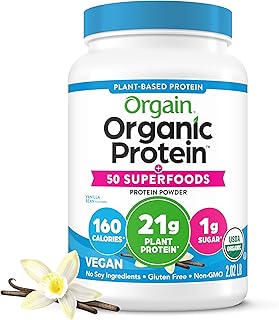
Orgain Organic Vegan Protein + 50 Superfoods, Vanilla Bean
21g protein, 8g prebiotic fibre, plus superfood blend.
Price: $34.15 | Rating: 4.6

Orgain Organic Unflavored Vegan Protein Powder
Unsweetened, no sugar, 21g plant protein, perfect for baking.
Price: $26.99 | Rating: 4.3
Additional Popular Protein Powders (Whey Options for Comparison)
While this guide focuses on flora protein, many people also benefit from high-quality whey isolates when gut tolerance permits. Below are the best-rated options from Amazon for your reference.
| Product | Price | Rating | Image |
|---|---|---|---|
| Optimum Nutrition Gold Standard Whey, Double Rich Chocolate 1.98lb | $44.99 | 4.6 |  |
| Optimum Nutrition Gold Standard Whey, Vanilla Ice Cream 5lb | $79.99 | 4.7 |  |
| Premier Protein Powder, Chocolate Milkshake 29 servings | $25.97 | 4.6 |  |
| Dymatize ISO 100 Whey Protein Isolate, Vanilla 5lb | $108.99 | 4.7 |  |
| Transparent Labs Grass-Fed Whey Isolate, French Vanilla | $59.99 | 4.5 |  |
| Body Fortress Super Advanced Whey, Vanilla 3.9lb | $45.28 | 4.6 |  |
| Six Star Whey Protein Plus, Triple Chocolate 1.82lb | $24.97 | 4.5 |  |
| Isopure Zero Carb Unflavored Whey Isolate 3lb | $89.95 | 4.4 |  |
| Dymatize Elite 100% Whey, Rich Chocolate 5lb | $76.18 | 4.6 |  |
| Dymatize x Fruity Pebbles ISO100, 20 servings | $42.48 | 4.6 |  |
| Dymatize Super Mass Gainer, Gourmet Vanilla 8 servings | $39.98 | 4.5 |  |
| Levels Grass Fed Whey, Pure Chocolate 2lb | $44.99 | 4.5 |  |
| Vital Proteins Collagen Peptides, Unflavored 9.33oz | $18.65 | 4.6 |  |
| NAKED Whey Vanilla Protein, 24 servings | $44.99 | 4.1 |  |
| Nutricost Whey Protein Concentrate, Chocolate 5lb | $74.95 | 4.5 |  |
Final Thoughts: Building a Stronger You with Flora Protein
Switching to plant-based protein doesn’t mean compromising on results. Whether your goal is muscle recovery, improved digestion, or a more sustainable lifestyle, flora protein offers a complete, effective solution. The key is choosing a quality product with a balanced amino acid profile and clean ingredients.
Start with a trusted option like the Orgain Organic Vegan Protein Powder and experiment with recipes that keep you energised and satisfied. Your body — and the planet — will thank you.
For more actionable guides on fitness, nutrition, and mindset, explore Success Guardian’s library of resources.