
You know that feeling. You start something with fire in your belly and a plan that can’t fail. Then, three weeks in, your brain starts whispering: “Maybe this isn’t for you.” The whisper gets louder. Before you know it, you’re scrolling your phone, eating something you shouldn’t, and wondering where your drive went.
We’ve all been there. The difference between people who achieve big things and those who don’t isn’t talent or luck. It’s the ability to keep going when quitting feels inevitable. That’s exactly what the No Excuses!: The Power of Self-Discipline book by Brian Tracy teaches. It’s not a theory book. It’s a field manual for turning your excuses into fuel.
In this guide, you’ll learn what this book offers, why you feel like quitting, and exactly how to stick the landing when everything in you wants to stop. We’ll also look at other powerful resources that can transform your self-discipline. Let’s dive in.
Table of Contents
What Is “No Excuses!: The Power of Self-Discipline” All About?
Brian Tracy is a legend in personal development. His book No Excuses!: The Power of Self-Discipline has sold millions because it cuts through the fluff. The core idea is simple: self-discipline is the one skill that makes every other skill possible.
Tracy breaks discipline into three pillars:
- Personal discipline – managing your habits, time, and thoughts.
- Business and career discipline – showing up, producing, and leading.
- Financial discipline – controlling your spending, saving, and investing.

The book doesn’t sugarcoat. Tracy says if you want success, you have to stop making excuses and start taking responsibility. No one else is coming to save you. That sounds harsh, but it’s also freeing. Once you own your choices, you own your life.
The Real Reason You Feel Like Quitting (And Why Self-Discipline Is the Answer)
When you feel like quitting, it’s not because you’re weak. It’s because your brain evolved to conserve energy and avoid discomfort. Every time you push toward a goal, your primitive brain screams: “This is dangerous! Stop!” That’s the moment self-discipline steps in.
The No Excuses the Power of Self Discipline book teaches that feeling like quitting is actually a sign you’re on the right track. Growth happens at the edge of your comfort zone. If you never wanted to quit, you’d never grow.
Quitting feels like relief, but it’s a trap. The temporary comfort of quitting costs you the long-term reward of mastery. That’s why books like Atomic Habits and The Science of Self-Discipline complement Tracy’s work. They explain the psychology behind why we give up and how to rewire our brains for persistence.
7 Practical Strategies from the No Excuses the Power of Self Discipline Book to Stop Quitting
Tracy doesn’t just tell you to “be disciplined.” He gives you actionable strategies. Here are the ones you can use today when quitting feels good.
1. Take Complete Responsibility
Excuses live in blame. “The economy is bad.” “My boss doesn’t support me.” “I’m too tired.” Every excuse gives your power away. Tracy says real discipline starts when you say: “I am responsible for my results, no matter what.” That shift changes everything.
When you own the outcome, you stop looking for exits and start looking for solutions.
2. Set Crystal Clear Goals
Vague goals produce vague results. “Get fit” won’t keep you going on day 42. “Run a 5K in under 30 minutes by June 1st” will. The No Excuses the Power of Self Discipline book emphasizes writing down your goals with deadlines. Clarity creates commitment.
Set a goal, break it into daily actions, and check your progress every week.
3. Build a Non-Negotiable Routine
Discipline isn’t about willpower every moment. It’s about automating good decisions. Create a morning routine that sets the tone. Do the hardest thing first, before your brain has time to argue.
Routines turn discipline into habit. That’s why The Power of Self-Discipline: 5-Minute Exercises is so useful—it gives you micro-habits that compound.
4. Use the “5-Second Rule” When the Urge to Quit Hits
When you feel like quitting, you have a tiny window of opportunity. In that moment, count backward: 5, 4, 3, 2, 1. Then move. That interrupts the brain’s default to quit.
This technique, popularized by Mel Robbins, perfectly aligns with Tracy’s message: action kills fear.
5. Visualize the Reward, Not the Pain
Your brain hates pain. But it loves rewards. When quitting feels easier, close your eyes and vividly imagine how you’ll feel after you finish that workout or complete that project. Feel the pride, the relief, the success.
Visualization is a core tool in The Power of Discipline and many other self-discipline books. It tricks your brain into craving the finish line.
6. Strengthen Your Willpower Muscle
Willpower is like a muscle. It gets tired with use, but it also grows stronger when trained. Start with small acts of discipline every day. Make your bed. Don’t check your phone for the first hour. Do ten push-ups.

Admiral William H. McRaven’s book Make Your Bed proves that a single disciplined act each morning creates a ripple effect. You start winning small battles, and soon you’re winning the war.
7. Reframe Failure as Feedback
The No Excuses the Power of Self Discipline book doesn’t pretend you’ll never fail. You will. The difference is how you interpret it. Failure is not a sign to quit. It’s a signal to adjust. Every setback contains a lesson.
When you stumble, ask: “What can I learn from this?” Then apply that lesson and keep moving.
How to Stick the Landing: Turning Temporary Motivation into Lasting Discipline
Motivation is a spark. Discipline is the fire that keeps burning long after the spark is gone. Here’s how to make it last.
Create an Environment That Makes Discipline Easy
Your environment shapes your behavior more than your willpower. If the cookies are on the counter, you’ll eat them. If your phone is in another room, you’ll work. Design your space so that the disciplined choice is the easy choice.
That’s a key lesson from Atomic Habits (James Clear). Make good habits obvious and bad habits invisible.
Track Your Progress
What gets measured gets managed. Keep a simple log of your daily discipline actions. Crossing off a streak feels good and keeps you honest.
Build in Accountability
Tell someone your goal. Join a group. Or use a book like 365 Days With Self-Discipline by Martin Meadows, which gives you a daily thought to keep you focused. External accountability can carry you through the low days.
Forgive Yourself and Get Back Up
Perfection is the enemy of discipline. If you miss a day, don’t rage quit. Just get back on track tomorrow. One slip doesn’t erase the previous thirty days of effort.
That mindset is at the heart of The Mountain Is You by Brianna Wiest. It teaches you to turn self-sabotage into self-mastery.
Top Self-Discipline Books to Supercharge Your Journey
You don’t need to read every book on the shelf. But a few standouts can accelerate your growth. Below is a comparison of the best self-discipline books you can grab today.
| Book | Author | Price | Rating | Key Focus | Buy at Amazon |
|---|---|---|---|---|---|
| No Excuses!: The Power of Self-Discipline | Brian Tracy | $8.66 | 4.7 | Foundations of discipline across life areas | |
| Atomic Habits | James Clear | $0.00 (audible) | 4.8 | Tiny habit systems that compound | 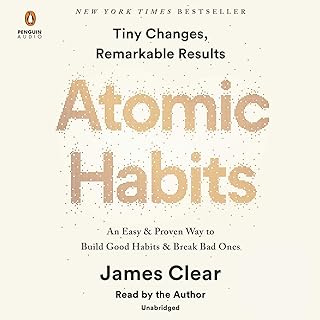 |
| Discipline Is Destiny | Ryan Holiday | $5.88 | 4.7 | Stoic self-control and mastery |  |
| The Mountain Is You | Brianna Wiest | $0.00 (audible) | 4.7 | Transforming self-sabotage into mastery |  |
| The Power of Discipline | Daniel Walter | $16.83 | 4.6 | Mental toughness and goal achievement |  |
| The Psychology of Self-Discipline | Cameron Ward | $17.99 | 4.6 | Brain strategies for consistent action |  |
| Digital Self-Discipline | CJ Gardner | $12.99 | 4.8 | Breaking addictive phone habits |  |
| Discipline Equals Freedom | Jocko Willink | $12.93 | 4.7 | No-excuses mindset with tactical advice |  |
Each of these books offers unique angles. Tracy’s book is the classic “start here” manual. James Clear’s is the science of habit design. Ryan Holiday brings ancient Stoic wisdom. And Jocko Willink? He’ll make you want to wake up at 4:30 AM.
The Stoic Approach to Self-Discipline
Stoicism and self-discipline are natural partners. The Stoics believed that the only thing you truly control is your mind. External events are indifferent. Your response is everything.
Stoic Self-Discipline (with its 33 ancient secrets) is one of the most focused books on this subject. It teaches you to separate what you can control from what you can’t. When you feel like quitting, remembering that your choices define your character can get you back on track.
Ryan Holiday’s Discipline Is Destiny is another masterpiece. It shows how figures like Marcus Aurelius, Lou Gehrig, and other disciplined individuals stuck with their mission against all odds.
Digital Self-Discipline: A Modern Challenge
Let’s be real: the biggest enemy of self-discipline today is your smartphone. Dopamine loops, endless scrolling, and notifications destroy your focus faster than any external force.
Digital Self-Discipline by CJ Gardner is a game-changer. It shows you exactly how to break free from digital addictions and reclaim your drive. The book covers practical tactics like scheduling “phone free” blocks and using grayscale mode.
If you combine Tracy’s no-excuses philosophy with Gardner’s digital detox strategies, you’ll be a productivity powerhouse.
FAQ: Your Questions About No Excuses the Power of Self Discipline Book Answered
What is the No Excuses the Power of Self Discipline book about?
It’s a comprehensive guide by Brian Tracy that teaches you how to develop self-discipline in every area of life: personal, professional, and financial. The core message is that success is not a matter of luck but of discipline, and that you must stop making excuses and take full responsibility.
Who should read No Excuses!?
Anyone who struggles with procrastination, giving up on goals, or feeling stuck. It’s especially helpful for entrepreneurs, students, and anyone wanting to build better habits.
How long does it take to read No Excuses!?
The book is around 240 pages. Most readers finish it in a week of casual reading or a few focused sessions. The ideas are dense, so it’s worth taking notes.
Does the book include practical exercises?
Yes. Tracy includes action steps at the end of each chapter. You can apply the lessons immediately.
What other books complement No Excuses!?
Books like Atomic Habits, Discipline Is Destiny, The Power of Discipline, and Digital Self-Discipline provide different angles. The comparison table above shows the best options.
Can I get No Excuses! for free on Kindle or Audible?
Some editions are free with Kindle Unlimited or Audible membership. The price on Amazon is currently $8.66, which is a steal for the value inside.
How does the book define self-discipline?
Tracy defines self-discipline as the ability to do what you should do, when you should do it, whether you feel like it or not. It’s not about punishment; it’s about aligning your actions with your long-term goals.
What’s the biggest lesson from No Excuses!?
That you are 100% responsible for your life. Stop blaming others, stop waiting for the perfect moment, and start taking action right now.
Final Word: Make the Choice to Stick the Landing
The No Excuses the Power of Self Discipline book is not a magic pill. You still have to do the work. But it gives you a roadmap. It shows you why your brain wants to quit, and how to override that impulse with clarity and courage.
You don’t have to be perfect. You just have to be consistent. When you feel like quitting, remember: the discomfort is temporary. The person you become by pushing through lasts forever.
Pick up the book. Read it. Apply one strategy today. And when you stumble, forgive yourself, and get back up. That’s what discipline really means.
Start now. No excuses.