
Every great playlist tells a story. Whether you’re building a high-energy workout mix, a mellow study session, or a seamless DJ set, the tempo of each track is the invisible hand that guides the listener’s emotions and movement. Without the right pacing, even the best songs can feel disjointed. That’s where a BPM finder becomes your secret weapon.
Think of a BPM finder as your musical pulse-reader. It analyzes the beats per minute of any song, letting you sort, match, and transition tracks with precision. The result? Playlists that flow naturally, keep energy levels consistent, and deliver exactly the mood you intended.
If you’re serious about curating experiences—whether for the gym, a party, or personal focus—mastering BPM is non-negotiable. And just like a protein powder helps you fuel and recover for peak physical performance, a BPM finder helps you fuel and structure your playlists for peak listening performance.
Table of Contents
What Is a BPM Finder and How Does It Work?
A BPM finder is a tool—software, app, or online service—that detects the tempo of an audio track. It measures the number of beats per minute, giving you a numeric value that typically ranges from 60 (very slow) to 200+ (extremely fast).
Modern BPM finders use complex algorithms to detect transients, onsets, and rhythmic patterns. Many integrate directly with music players or DJ software. Some even analyze live audio from your microphone. The best ones are accurate within ±1 BPM.
Common use cases:
- DJs preparing harmonic mixes
- Fitness trainers designing workout playlists
- Music producers aligning samples
- Casual listeners organizing their library
Why BPM Matters More Than You Think
BPM isn’t just a technical stat. It’s the foundation of emotional response. Fast tempos stimulate adrenaline and encourage movement. Slow tempos promote relaxation and introspection. When you mismatch BPMs in a playlist, you create jarring transitions that pull listeners out of the experience.
The Psychology of Tempo
Research shows that music tempo directly affects heart rate, breathing, and even cognitive performance. A study in the Journal of Sports Sciences found that cyclists performed better when music matched their cadence. Similarly, a consistent BPM range during a workout helps maintain effort without interruption.
Example: A run playlist with songs ranging from 140 to 160 BPM keeps your stride steady. Inject a 100 BPM ballad and you’ll mentally stumble. A BPM finder prevents this.
How to Use a BPM Finder for Flawless Playlist Creation
Creating a playlist with BPM in mind is a step-by-step process. Here’s how to do it like a pro.
1. Gather Your Tracks
Start with a pool of songs you love. Don’t worry about tempo yet—just collect candidates.
2. Run Each Track Through a BPM Finder
Upload or detect the BPM for every song. Most tools let you do this in bulk. Note the BPM and also the key (if the tool provides that).
3. Sort by BPM Range
Group songs into energy zones:
| Energy Zone | BPM Range | Best For |
|---|---|---|
| Very Slow | 60–80 | Meditation, cool-down |
| Slow | 80–100 | Chill study, background |
| Medium | 100–120 | Warm-up, casual activity |
| Fast | 120–140 | Cardio, dancing |
| Very Fast | 140–180+ | High-intensity training, sprint |
4. Arrange with Gradual Transitions
BPM should change smoothly—no more than a 5–10 BPM jump between consecutive tracks. Use a mix of ascending, descending, or plateau structures.
5. Fine-Tune for Mood and Key
Tempo alone isn’t enough. Combine BPM data with energy and harmonic mixing for deeper flow. For DJs, this is essential. For casual playlists, it elevates the feel.
6. Test and Iterate
Listen to the playlist in order. Does the energy build naturally? Are there any sudden drops? Adjust songs or add transitions (like fade-ins) if needed.
BPM Finders for Different Scenarios
Choosing the right BPM finder depends on your goal. Here’s a comparison.
| Tool Type | Best For | Pros | Cons |
|---|---|---|---|
| Online BPM Finder | Quick single-track analysis | No download needed | Bulk analysis limited |
| Mobile App | Real-time detection on the go | Use with phone microphone | Accuracy varies |
| DJ Software (Serato, Rekordbox) | Professional mixing | In-depth BPM + key analysis | Requires subscription |
| Music Library Manager (e.g., Mixed In Key) | Organizing large collections | Batch processing | Paid software |
For most people, a free online tool works fine for building personal playlists. If you’re a DJ or producer, invest in dedicated software.
The Connection Between BPM and Fitness: A Surprising Parallel
Now, here’s where protein powder enters the conversation. At first glance, BPM finders and protein supplements seem unrelated. But both serve the same higher purpose: optimizing performance.
Protein powder fuels your muscles, repairs tissues, and supports growth. A BPM finder fuels your playlist, repairs tempo gaps, and supports seamless transitions. One works on the body, the other on the auditory experience.
When you’re crafting a workout playlist, using a BPM finder ensures the music’s tempo matches your training intensity. And after that workout, high-quality protein powder helps you recover. Together, they form a complete strategy for peak physical and mental performance.
Example: You load your gym playlist with tracks at 160 BPM for a high-intensity interval session. After the session, you mix a scoop of Optimum Nutrition Gold Standard 100% Whey Protein Powder, Double Rich Chocolate to replenish. The BPM finder ensures your music pushes you harder; the protein helps you rebuild stronger.
Advanced Techniques: Using BPM for Harmonic Mixing
Harmonic mixing takes BPM data further. By aligning the key of each track (e.g., Camelot notation), you can create mixes that sound musically coherent even when tempo changes. BPM finders that also detect key (like Mixed In Key or Rekordbox) are invaluable.
Step-by-step:
- Get BPM and key for each track.
- Use the Camelot wheel to find compatible keys.
- Adjust tempo using pitch shifting (within 3–5 BPM to avoid audible distortion).
- Crossfade between tracks at phrase boundaries.
This technique is standard for professional DJs but also works for playlist curators who want a seamless listening experience.
Common Mistakes When Using BPM in Playlists
Even with a BPM finder, people make errors. Avoid these:
- Ignoring energy level. A song at 120 BPM can be very aggressive or very calm. BPM alone doesn’t capture intensity.
- Only looking at average BPM. Some tracks have tempo changes. Use a tool that shows overall BPM but listen for variations.
- Forcing strict BPM ranges. A 2 BPM difference is fine. Don’t obsess over exact numbers.
- Not checking transitions. BPM compatibility doesn’t guarantee smoothness. Listen to the mix.
How to Use a Bpm Finder for Djing and Remixing?
If you’re a DJ or remixer, BPM finder tools are essential. They allow you to sync tracks, plan beatmatching, and align samples. For a deeper dive, check out How to Use a Bpm Finder for Djing and Remixing?. This guide covers advanced workflow techniques, including warping, tempo automation, and using BPM grids.
Best Free Bpm Finder Tools for Music Producers
Producers often need to match BPM across loops and samples. Some of the best free tools include Tunebat, Song BPM, and BPM Counter. For a comprehensive list with pros and cons, read Best Free Bpm Finder Tools for Music Producers. You’ll find options for every platform.
Why BPM Should Be a Core Part of Your Playlist Strategy
Whether you’re a DJ, a fitness instructor, or just someone who loves perfectly sequenced music, BPM finder technology gives you control. It turns chaos into order. It transforms a random collection of songs into a curated journey.
The same way you wouldn’t start a workout without proper nutrition—choosing a protein powder that fits your goals—you shouldn’t build a playlist without understanding tempo. The result will always be better when you align your tools with your intention.
Recommended Products: Protein Powders to Fuel Your Fitness Playlist
After building your perfect workout playlist with a BPM finder, the next step is to fuel your body. The right protein powder supports recovery and prepares you for the next session. Below are top-rated protein powders that complement an active lifestyle.
1. Optimum Nutrition Gold Standard 100% Whey Protein Powder, Double Rich Chocolate

- Price: $44.99
- Rating: 4.6
- Key Features: 24g protein, 5.5g BCAAs, low fat, fast absorbing. Perfect post-workout.
2. Optimum Nutrition Gold Standard 100% Whey Protein Powder, Vanilla Ice Cream, 5 Pound

- Price: $79.99
- Rating: 4.7
- Key Features: Best value larger tub, same premium quality. Mixes easily.
3. Optimum Nutrition Gold Standard 100% Whey Protein Powder, Vanilla Ice Cream, 2 Pound
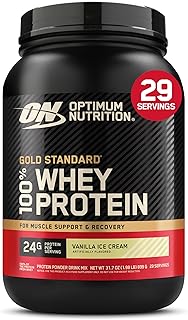
- Price: $44.99
- Rating: 4.7
- Key Features: Great entry size, 24g protein, excellent flavor.
4. Premier Protein Powder, Chocolate Milkshake, 41.9oz

- Price: $25.97
- Rating: 4.6
- Key Features: 30g protein, 1g sugar, gluten free, soy free. Great for weight management.
5. Orgain Organic Vegan Protein Powder, Vanilla Bean

- Price: $31.52
- Rating: 4.5
- Key Features: 21g plant protein, 6g prebiotic fiber, no added sugar. Ideal for plant-based diets.
6. Dymatize ISO 100 Whey Protein Powder, Vanilla 5 Pound

- Price: $108.99
- Rating: 4.7
- Key Features: 25g hydrolyzed whey isolate, fast absorption, 1g fat. Premium choice.
7. Premier Protein Powder, Vanilla Milkshake, 23.3oz

- Price: $31.60
- Rating: 4.6
- Key Features: 30g protein, low sugar, versatile flavor.
8. Transparent Labs Grass-Fed Whey Protein Isolate, French Vanilla

- Price: $59.99
- Rating: 4.5
- Key Features: Grass-fed, 28g protein, 9 amino acids, no artificials.
9. Body Fortress Super Advanced Whey Protein Powder, Vanilla, 3.9 lbs

- Price: $45.28
- Rating: 4.6
- Key Features: Immune support with vitamins C & D plus zinc, 60g protein per serving.
10. Six Star Whey Protein Powder, Triple Chocolate, 1.82 lbs

- Price: $24.97
- Rating: 4.5
- Key Features: Isolate & peptides, lean muscle focus, affordable.
11. Isopure Zero Carb 100% Pure Whey Isolate Protein Powder, Unflavored, 3 Lbs

- Price: $89.95
- Rating: 4.4
- Key Features: Zero carb, 25g protein per serving, gluten free.
12. Dymatize Elite 100% Whey Protein Powder, Rich Chocolate, 5 Pound

- Price: $76.18
- Rating: 4.6
- Key Features: 25g protein, 5.5g BCAAs, quick absorbing.
13. Orgain Organic Vegan Protein + 50 Superfoods Powder, Vanilla Bean
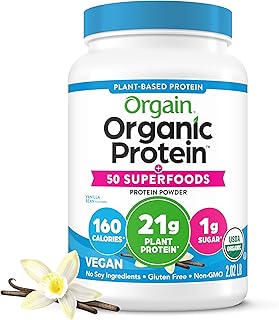
- Price: $34.15
- Rating: 4.6
- Key Features: 21g plant protein, 8g prebiotic fiber, 50 superfoods.
14. Dymatize x Fruity Pebbles ISO100 Whey Protein Powder

- Price: $42.48
- Rating: 4.6
- Key Features: Fun flavor, hydrolyzed isolate, 25g protein, gluten free.
15. Dymatize Super Mass Gainer Protein Powder, Gourmet Vanilla

- Price: $39.98
- Rating: 4.5
- Key Features: 52g protein, 1280 calories, 1g creatine. For serious mass gain.
16. Levels Grass Fed Whey Protein Powder, Pure Chocolate, 2LB

- Price: $44.99
- Rating: 4.5
- Key Features: Grass fed, no artificials, 24g protein.
17. Vital Proteins Collagen Peptides Powder, Unflavored 9.33 OZ

- Price: $18.65
- Rating: 4.6
- Key Features: Supports hair, skin, nails, and joints. Easy to mix.
18. NAKED Whey Vanilla Protein Powder, 24 Servings

- Price: $44.99
- Rating: 4.1
- Key Features: Only 3 ingredients: grass-fed whey, vanilla, organic coconut sugar.
19. Nutricost Whey Protein Concentrate (Chocolate) 5LBS

- Price: $74.95
- Rating: 4.5
- Key Features: Bulk value, 25g protein per serving, great chocolate taste.
20. Orgain Organic Unflavored Vegan Protein Powder, 1.59 lb

- Price: $26.99
- Rating: 4.3
- Key Features: Unsweetened, 21g plant protein, no soy, gluten free.
FAQ: BPM Finder and Playlist Creation
What is the best BPM finder for beginners?
Tunebat and Song BPM are free and easy to use. They show BPM plus key and are great for casual playlists.
Can I use a BPM finder for live music?
Yes, many mobile apps detect tempo from your microphone. Accuracy may drop in noisy environments.
How precise do BPM readings need to be?
For DJ mixing, accuracy within ±1 BPM is ideal. For workout playlists, ±3 BPM is acceptable.
Does BPM alone guarantee a good playlist?
No. Combine BPM with energy level, key, and personal taste for the best results.
Should I adjust BPM for different playlist purposes?
Absolutely. A study playlist needs 70–90 BPM; a run playlist 140–180 BPM. Match the tempo to the activity.
Can I change BPM of a song without distorting it?
Using pitch-shifting algorithms in DJ software can stretch tempo up to 8% without noticeable distortion.
What is the difference between BPM and rhythm?
BPM measures speed; rhythm refers to the pattern of beats. Two songs at same BPM can have very different rhythms.
How do I find BPM for songs in my phone?
Use apps like "BPM Analyzer" for iOS/Android. Some music library apps also include BPM detection.
Is it worth buying a dedicated BPM finder as a hobbyist?
If you enjoy making mix tapes or playlists often, yes. The time saved and improved quality justifies a small investment.
Can I use a BPM finder for podcasts or audiobooks?
BPM is less relevant for speech. Focus on pace of spoken words instead.