
Stepping on the scale can feel like a rollercoaster—one day you’re lighter, the next you’ve “gained” two pounds overnight. If you’re in the middle of a weight loss plateau, this frustrating fluctuation often comes down to water retention vs fat loss. Knowing the difference is the key to staying motivated and breaking through a stall.
Your body is about 60% water, and daily swings in hydration, sodium, and hormones can mask real fat loss. This article will help you identify what’s actually happening on the scale so you can make smarter choices and keep progressing toward your goals.
Table of Contents
What Is Water Retention?
Water retention—also called edema—occurs when excess fluid builds up in your body’s tissues. It’s a normal response to high sodium intake, hormonal shifts, certain medications, or even a lack of movement. Unlike fat, water weight can shift dramatically in 24–48 hours.
Common signs of water retention:
- Sudden weight gain of 2–5 pounds in a day or two
- Puffiness in your fingers, ankles, or face
- Clothes or rings feeling tighter, even if your belly seems flatter
- Indentations left on your skin after pressing a swollen area
Water retention doesn’t reflect changes in your body composition. It’s temporary and can be managed with simple lifestyle tweaks.
What Is Fat Loss?
Fat loss is a gradual reduction in body fat over time. It happens when you consistently eat fewer calories than you burn—a calorie deficit. Real fat loss emerges slowly, about 1–2 pounds per week, and it doesn’t bounce back overnight.
Signs you’re losing fat:
- Your clothes fit looser, even if the scale hasn’t moved
- Measurements around your waist, hips, or thighs shrink
- You feel leaner and more defined, especially in the mirror
- You’re losing weight at a steady pace over weeks
Unlike water weight, fat loss requires patience. A single bad meal or salty dinner won’t reverse it, but it can cause a temporary spike in water retention that hides your progress.
How to Tell the Difference (and Stop Guessing)
The scale can’t tell you whether you’re losing fat or holding water. That’s why tracking multiple metrics is essential, especially during a weight loss plateau.
| Measurement | Water Retention | Fat Loss |
|---|---|---|
| Timing | Changes in hours/days | Changes in weeks |
| Range | 2–5 lbs overnight | 0.5–2 lbs per week |
| Consistency | Irregular, tied to diet/hormones | Steady downward trend |
| Physical feel | Puffy, bloated, tight rings | Loose clothes, visible definition |
| Energy levels | Usually normal | Often steady or improved |
Pro tip: Weigh yourself in the morning after using the bathroom, and only compare weekly averages. This smooths out daily water fluctuations and reveals true fat loss.
Why Water Retention Creates False Plateaus
Imagine you’ve been perfect with your diet and workouts for two weeks. You step on the scale—and it’s exactly the same as day one. That’s discouraging, but it doesn’t mean you’ve failed. More likely, you’ve lost fat but retained water.
Several factors can cause water retention during a fat loss phase:
- High sodium meals – Chinese takeout, pizza, or processed snacks can cause a 3–4 pound water gain overnight.
- Carbohydrate loading – Carbs are stored with water in your muscles. Starting a keto or low-carb diet initially flushes water, making you seem lighter quickly.
- Hormonal cycles – Women often retain water before menstruation or during ovulation.
- Stress and cortisol – Chronic stress raises cortisol, which increases water retention.
- Inflammation from exercise – New or intense workouts cause micro-tears, leading to temporary swelling.
Understanding these triggers helps you avoid unnecessary panic and stay consistent.
Common Causes of Water Retention (and How to Reduce It)
If you suspect water weight is masking your fat loss, try these evidence-based strategies:
- Reduce sodium – Keep intake under 2,300 mg per day. Cook at home more and limit processed foods.
- Stay hydrated – Drinking enough water actually helps your kidneys flush excess sodium and fluid.
- Increase potassium – Bananas, spinach, avocados, and sweet potatoes help balance fluids.
- Limit refined carbs – High sugar intake can cause insulin spikes that promote sodium retention.
- Move your body – Gentle walking, stretching, or lymphatic drainage exercises encourage fluid movement.
- Consider a targeted supplement – Some formulas support fluid balance and metabolism.
Smart Supplements to Support Your Journey
While diet and exercise are the foundation, certain products can help you manage water retention and support fat loss. Here are a few carefully selected options you may find helpful.
Nature’s Bounty Chromium Picolinate

This mineral supplement supports fat, protein, and sugar metabolism. Chromium helps stabilize blood sugar, which can reduce cravings and improve energy. Many users find it helps manage the carb-induced water retention that often stalls progress. At just $7.49 for 50 tablets, it’s a budget-friendly addition to any regimen.
OLLY Metabolism Gummy Rings
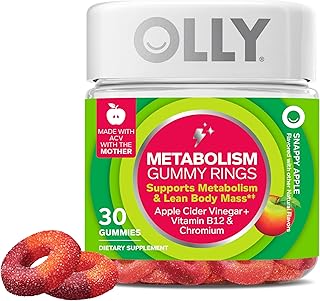
Packed with apple cider vinegar, vitamin B12, and chromium, these chewable gummies support digestion and energy metabolism. They’re a tasty way to help your body process nutrients efficiently while reducing bloating. With over 7,100 reviews and a 4.3-star rating, this $16.97 product is a customer favorite.
Premium Liquid Collagen for Women
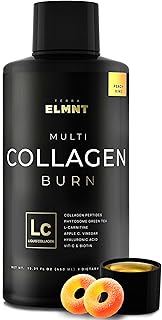
This collagen shot combines hyaluronic acid, biotin, L-carnitine, and apple cider vinegar for both beauty and weight loss support. L-carnitine helps transport fat into your cells’ mitochondria to be burned for energy. Users report better skin elasticity and reduced bloating. Priced at $26.95 with a 4.4-star rating, it’s a multifunctional tool.
Thermogenic Fat Burner – Brazilian Lean

These capsules are marketed as both a waist trimmer and a bloating reliever. Thermogenic ingredients can increase your metabolic rate slightly, while supportive herbs may help reduce water retention. At only $9.99 for 60 capsules, it’s an affordable option for women and men.
Purely Inspired 7-Day Detox Cleanse

This gentle cleanse uses senna leaf, vitamin C, apple cider vinegar, and probiotics to support digestion and reduce bloating. It’s designed as a short-term reset to help you shed water weight and feel lighter. With over 11,000 reviews and a 4.2-star rating, it’s a trusted option for $9.99.
alli Weight Loss Diet Pills

alli contains orlistat, a non-prescription weight loss aid that blocks about 25% of fat absorption. It’s clinically proven to enhance weight loss when combined with a reduced-calorie diet. Note that it can cause gastrointestinal side effects if you eat too much fat. The 120-count refill pack costs $65.99 and has a 4.2-star rating.
Advanced Options: Prescription Medications
For those who need additional medical support, three prescription weight loss medications are available through Amazon Pharmacy:
| Medication | Price | Key Info |
|---|---|---|
| Phendimetrazine | $4.00 | Appetite suppressant (schedule III) |
| Zepbound (tirzepatide) | $25.00 | GIP/GLP-1 receptor agonist – supports significant weight loss |
| Contrave (bupropion/naltrexone) | $50.00 | Combination therapy for chronic weight management |
These should only be used under a doctor’s supervision and are not for everyone. Always consult your healthcare provider before starting any prescription weight loss medication.
ZELUS Weighted Vest
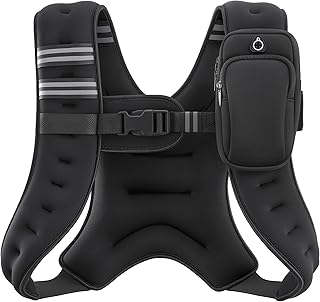
Adding resistance to your walks or runs can help boost calorie burn and preserve muscle during weight loss. This vest comes in weights from 6 to 30 lbs, features reflective stripes for safety, and has a stellar 4.6-star rating from over 15,900 reviews. At $28.98, it’s an investment in your fat loss journey.
Comparison Table: Top Products for Water Retention and Fat Loss
| Product Image | Product Name | Price | Key Benefit | Buy at Amazon |
|---|---|---|---|---|
 |
Phendimetrazine | $4.00 | Prescription appetite suppressant | Buy Now |
 |
Zepbound (tirzepatide) | $25.00 | GIP/GLP-1 agonist for weight loss | Buy Now |
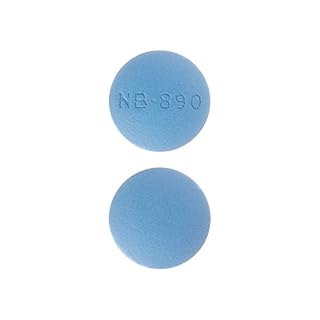 |
Contrave | $50.00 | Combination therapy for weight management | Buy Now |
|
alli Weight Loss Pills | $65.99 | Blocks fat absorption | Buy Now |
 |
Nature's Bounty Chromium Picolinate | $7.49 | Supports fat & sugar metabolism | Buy Now |
|
OLLY Metabolism Gummy Rings | $16.97 | ACV + chromium + B12 for energy | Buy Now |
|
Premium Liquid Collagen | $26.95 | L-carnitine + collagen for metabolism & beauty | Buy Now |
|
ZELUS Weighted Vest | $28.98 | Increases calorie burn during workouts | Buy Now |
|
Purely Inspired 7-Day Detox | $9.99 | Reduces bloating with probiotics & senna | Buy Now |
|
Thermogenic Fat Burner Brazilian Lean | $9.99 | Thermogenic + bloating relief | Buy Now |
Lifestyle Habits That Help You Stay on Track
Supplements can support your efforts, but lasting change comes from daily habits. Here’s a simple checklist to follow during a plateau:
- Drink 8–10 cups of water daily – Proper hydration flushes sodium and reduces bloating.
- Eat whole foods – Minimize processed items, which are often loaded with salt and sugar.
- Include potassium-rich foods – Bananas, kidney beans, potatoes, and spinach help balance fluids.
- Move after meals – A 10-minute walk improves circulation and insulin sensitivity.
- Prioritize sleep – Poor sleep raises cortisol, which encourages water retention and fat storage.
- Track trends, not daily numbers – Use an app to monitor your weekly average weight.
Remember: a plateau is a signal to examine your strategies, not a reason to give up. Water retention is a temporary visitor—fat loss is the permanent resident you’re building.
FAQ: Water Retention vs Fat Loss
How can I tell if I'm retaining water or gaining fat?
The most reliable indicators are timing and consistency. Water weight appears suddenly (overnight) and disappears just as fast. Fat gain takes weeks and is accompanied by changes in clothing fit and measurements. If your weight bounces up and down daily, it’s likely water. If it climbs steadily over a month, that’s fat.
Does drinking more water help with water retention?
Yes. Counterintuitively, staying well-hydrated helps your kidneys flush out excess sodium and fluid. When you’re dehydrated, your body holds onto water to maintain balance. Aim for half your body weight in ounces per day.
Can exercise cause water retention?
Absolutely. Intense or new workouts create micro-tears in muscle fibers, which trigger inflammation and temporary fluid retention. This typically subsides within 48–72 hours as your muscles repair. It’s a sign of progress, not a setback.
How long does water retention last after a high-salt meal?
Usually 1–3 days. Your body will naturally flush the excess sodium if you drink water, eat potassium-rich foods, and move lightly. Avoid weighing yourself for 2–3 days after a heavy meal to avoid discouragement.
Are there any medical conditions that cause chronic water retention?
Yes. Heart failure, kidney disease, liver cirrhosis, and chronic venous insufficiency can all cause persistent edema. Certain medications (NSAIDs, steroids, some antidepressants) also contribute. If you have unexplained, lasting swelling, consult your doctor.
Final Thoughts: Stay Patient and Trust the Process
Water retention is a natural, temporary part of your body’s regulation system. By understanding the difference between water weight and fat loss, you can avoid unnecessary frustration during plateaus. Focus on consistent habits—hydrate well, eat whole foods, manage stress, and keep moving.
If you choose to incorporate supplements or tools, use them as part of a bigger picture that includes nutrition and exercise. The scale will eventually reflect your hard work. Stay curious, keep tracking, and don’t let a little water derail your momentum.
Always consult your healthcare provider before starting any new supplement or medication, especially prescription weight loss drugs.