
You’ve decided to take your weight loss journey seriously. Maybe you’re looking into prescription medications, or perhaps over-the-counter supplements catch your eye. But before you swipe your card or schedule that consultation, there’s one thing you need to do: ask the right questions about costs and insurance.
The truth is, medical weight loss can get expensive fast. Between doctor visits, lab work, medications, and follow-ups, the total bill can surprise you. And insurance? It’s not always straightforward. That’s why being your own advocate—armed with knowledge—is a game changer.
In this article, we’ll walk you through exactly what to ask up front, from medication prices to hidden fees. Plus, we’ll compare some popular options so you can make an informed, confident decision.
Table of Contents
Why You Need to Ask About Costs Up Front
Most people assume “my insurance covers weight loss treatment” and stop there. But coverage varies wildly. Some plans cover only certain drugs, require prior authorization, or have a step therapy requirement. Others exclude weight loss altogether.
The same goes for over-the-counter supplements and fitness tools. What looks like a deal on the shelf may not deliver results, leaving you out of pocket with nothing to show for it.
Asking the right questions early prevents financial regrets and keeps you focused on sustainable progress.
Here are red flags to watch for:
- Vague cost estimates (e.g., “it depends”) without a written breakdown.
- Pressure to commit before you see a full price list.
- Programs that require long-term contracts with cancellation fees.
- Products with no clear refund policy or return guarantee.
Key Questions to Ask Your Provider or Before Buying Products
Whether you’re consulting a doctor or browsing Amazon, these questions will save you money and frustration.
1. Is this medication or supplement FDA approved?
FDA-approved drugs like alli Weight Loss Diet Pills, Orlistat 60 mg Capsules (OTC) and prescription options such as Zepbound have undergone rigorous testing. Supplements like Nature's Bounty Chromium Picolinate are not FDA-approved for weight loss but may support metabolism. Knowing the difference helps set realistic expectations.
2. Does my insurance cover this treatment?
Call your insurer to ask about coverage for weight loss medications (e.g., Contrave, Phendimetrazine). Some plans require a BMI threshold or a documented comorbidity. Also ask about co-pays, deductibles, and whether you need prior authorization.
3. Are there hidden fees for follow-ups or coaching?
Some medical weight loss clinics charge for each follow-up visit, meal plans, or support groups. Get a written list of all potential charges before you start.
4. What is the total cost for a full course of treatment?
For a 30‑day supply of OLLY Metabolism Gummy Rings you’ll pay about $16.97. But a long‑term prescription like Zepbound can cost hundreds per month without insurance. Always calculate the full timeline.
Comparing Popular Weight Loss Aids
When you’re weighing your options, a side-by-side view helps. Below is a comparison of several popular products, from prescription drugs to OTC support.
| Product | Price | Type | Insurance Consideration | Rating | Image | Buy at Amazon |
|---|---|---|---|---|---|---|
| alli Weight Loss Diet Pills | $65.99 | OTC (Orlistat) | May be FSA/HSA eligible; not typically covered by insurance | ⭐4.2 |  |
Buy Now |
| Zepbound | $25.00 (co-pay varies) | Prescription injection (tirzepatide) | Often requires prior auth; may be covered with type 2 diabetes or high BMI | ⭐N/A |  |
Buy Now |
| Contrave | $50.00 (co-pay) | Prescription pill | Covered by some plans; may require step therapy | ⭐N/A |  |
Buy Now |
| Phendimetrazine | $4.00 (co-pay) | Prescription pill | Generic, often covered but short‑term use | ⭐N/A |  |
Buy Now |
| Nature's Bounty Chromium Picolinate | $7.49 | Supplement | Not covered; FSA/HSA may apply | ⭐4.5 |  |
Buy Now |
| OLLY Metabolism Gummy Rings | $16.97 | Supplement | Not covered | ⭐4.3 | 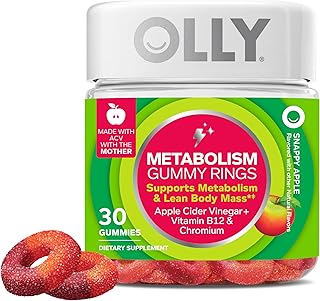 |
Buy Now |
Over-the-Counter vs Prescription: Insurance Implications
Prescription medications like Zepbound, Contrave, and Phendimetrazine are more likely to be covered by insurance—but only if your plan includes weight loss benefits. You often need to meet specific criteria (e.g., BMI ≥ 30 or BMI ≥ 27 with a related condition). Expect to jump through hoops like prior authorization or step therapy.
Over-the-counter supplements such as Premium Liquid Collagen for Women ($26.95), Thermogenic Fat Burner Brazilian Lean ($9.99), and Purely Inspired 7-Day Detox Cleanse ($9.99) are not covered by insurance. However, you can pay with FSA or HSA funds for some if they are for a medical condition (check with your plan administrator).
Fitness tools like the ZELUS Weighted Vest ($28.98) are a one‑time purchase and great for boosting workouts, but insurance won’t reimburse you.
Smart Shopping Tips for Weight Loss Products
Before you buy anything, take these steps to protect your wallet and your health:
- Check the product’s rating and reviews. The Premium Liquid Collagen has a 4.4 rating with 3,200 reviews—a good sign of customer satisfaction.
- Look for a money‑back guarantee. Many Amazon sellers offer 30‑day returns. Know the policy.
- Use your FSA/HSA if allowed. Alli, Nature’s Bounty, and other supplements may qualify. Save receipts.
- Compare prices across brands. For instance, a 30‑day supply of OLLY Metabolism Gummy Rings costs $16.97, while a thermogenic like Brazilian Lean is only $9.99. Think about what fits your needs.
Frequently Asked Questions
Do insurance plans cover over-the-counter weight loss supplements?
No, OTC supplements like Nature's Bounty Chromium Picolinate are not covered by health insurance. However, you may be able to use Flexible Spending Account (FSA) or Health Savings Account (HSA) dollars if you have a doctor’s recommendation.
How can I find out if my insurance covers Zepbound or Contrave?
Call your insurance provider and ask if they cover weight loss medications. Specify the drug name (e.g., Zepbound, Contrave). Also ask about prior authorization requirements, step therapy, and your out-of-pocket costs.
Are there hidden costs in medical weight loss programs?
Yes. Some clinics charge for initial consultations, monthly coaching calls, meal replacements, and follow-up lab work. Always request a detailed price breakdown before signing up.
Is alli considered a prescription drug?
No, alli (Orlistat 60 mg) is FDA‑approved for over‑the‑counter use. It’s available without a prescription and costs about $65.99 for a 120‑count refill pack. Many users rely on it as a non‑prescription aid.
What is the cheapest weight loss supplement on this list?
The Thermogenic Fat Burner Brazilian Lean is only $9.99, and Purely Inspired 7-Day Detox Cleanse is also $9.99. However, cheap doesn’t always mean effective—always check reviews and ingredients.