
You’ve tried the extreme calorie cuts. You’ve endured the hunger, the cravings, and the guilt when you “fell off the wagon.” Yet the scale barely budged—or the weight came back. Why do so many diets fail? Because they rely on unsustainable deficits that burn you out before you see lasting results.
The sustainable deficit concept changes everything. It’s not about starving yourself or chasing quick losses. It’s about creating a manageable daily gap between calories consumed and calories burned—one that fits your life, your energy, and your long-term goals. When you aim for results without burnout, you finally break free from the diet rollercoaster.
Table of Contents
What Is a Sustainable Deficit?
A calorie deficit is simply eating fewer calories than your body needs to maintain its current weight. The traditional approach slashes 500–1,000 calories overnight, leaving you tired, irritable, and prone to bingeing.
A sustainable deficit, on the other hand, is shallow, gradual, and flexible. You reduce by 200–300 calories per day, supported by smart nutrition and movement. This small gap triggers steady fat loss while preserving muscle, metabolism, and your mental health.
- Slow and steady wins the race – 0.5–1 lb per week is both realistic and healthy.
- You don’t have to eat “diet food” – just slightly smaller portions of nourishing meals.
- Hunger is manageable – you’re never more than a few hours from a satisfying snack.
This approach eliminates the “all-or-nothing” mindset that leads to burnout and rebound weight gain.
Why “Diets That Fail” Keep You Stuck
Most diets set you up for failure by ignoring the human side of weight loss. Let’s look at the common pitfalls.
Extreme Restriction
When you cut too many calories too fast, your body fights back. Hormones like ghrelin (hunger) spike, while leptin (fullness) plummets. You become obsessed with food, and willpower crumbles.
No Room for Flexibility
Rigid meal plans and forbidden foods create a scarcity mindset. One “off” meal can trigger a full-blown binge. Sustainable deficits allow for indulgences—80/20 balance keeps you on track without guilt.
The “Quick Fix” Trap
Products that promise overnight transformation often deliver only temporary water loss or jitters. They don’t build the habits you need to maintain weight loss.
The Sustainable Deficit in Action
How do you actually implement this concept? It’s simpler than you think.
1. Know Your Baseline
Calculate your maintenance calories (your total daily energy expenditure, or TDEE). Then subtract 200–300 calories. That’s your sustainable deficit target.
2. Prioritize Protein and Fiber
These nutrients keep you full longer, stabilize blood sugar, and naturally reduce cravings. Aim for at least 30g of protein per meal and plenty of vegetables.
3. Move in Ways You Enjoy
You don’t need to kill yourself at the gym. Walking, strength training, yoga, or dancing—anything that burns a few extra calories and feels good. Consistency matters more than intensity.
4. Use Smart Support when Needed
Supplements and tools can fill nutritional gaps or give your metabolism a gentle boost. But they’re not crutches—they’re reinforcements.
Tools and Supplements That Support Your Journey
When used alongside a sustainable deficit, certain products can help you stay on track. Always consult a healthcare professional before starting any supplement, especially prescription options.
OLLY Metabolism Gummy Rings – Apple cider vinegar, vitamin B12, and chromium support energy and digestive health. A tasty, easy way to complement your deficit. (Price: $16.97 | Rating: 4.3)
Nature's Bounty Chromium Picolinate – 800 mcg per tablet to support fat, protein, and sugar metabolism. A low‑cost staple for metabolic health. (Price: $7.49 | Rating: 4.5)
Premium Liquid Collagen – Combines collagen, hyaluronic acid, biotin, and L‑carnitine to support weight loss and beauty goals. A convenient protein shot. (Price: $26.95 | Rating: 4.4)
ZELUS Weighted Vest – Add 6–30 lbs to your walks or workouts to increase calorie burn without extra time. Durable with reflective stripe. (Price: $28.98 | Rating: 4.6)
Purely Inspired 7-Day Detox Cleanse – Senna leaf, apple cider vinegar, and probiotics for a temporary reset. Use as a jumpstart, not a long-term fix. (Price: $9.99 | Rating: 4.2)
Prescription Options (Under Medical Supervision)
For those with medical needs, prescription medications can assist. Phendimetrazine ($4.00), Zepbound ($25.00), and Contrave ($50.00) are available through pharmacy services. These should never be used as a substitute for sustainable habits.
Thermogenic Fat Burner Brazilian Lean – Contains ingredients to support thermogenesis and reduce bloating. Suitable for both men and women. (Price: $9.99 | Rating: 4.1)
alli Weight Loss Diet Pills – Orlistat 60 mg blocks some fat absorption. Non‑prescription, but requires a low‑fat diet to avoid side effects. (Price: $65.99 | Rating: 4.2)
Comparison Table: Key Products to Support Sustainable Deficit
| Product | Price | Rating | Key Feature | Buy at Amazon |
|---|---|---|---|---|
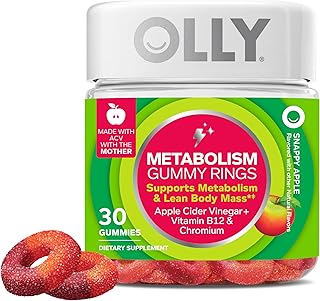 OLLY Metabolism Gummy Rings OLLY Metabolism Gummy Rings |
$16.97 | 4.3 | Apple cider vinegar + B12 + chromium | Buy Now |
 Nature's Bounty Chromium Picolinate Nature's Bounty Chromium Picolinate |
$7.49 | 4.5 | 800 mcg for metabolism | Buy Now |
 Premium Liquid Collagen Premium Liquid Collagen |
$26.95 | 4.4 | Collagen + L‑carnitine for weight & beauty | Buy Now |
 ZELUS Weighted Vest ZELUS Weighted Vest |
$28.98 | 4.6 | 6–30 lb vest for extra burn | Buy Now |
 alli Weight Loss Pills alli Weight Loss Pills |
$65.99 | 4.2 | Orlistat 60 mg – fat blocker | Buy Now |
 Purely Inspired Detox Purely Inspired Detox |
$9.99 | 4.2 | 7‑day cleanse with senna & ACV | Buy Now |
 Brazilian Lean Fat Burner Brazilian Lean Fat Burner |
$9.99 | 4.1 | Thermogenic + bloating support | Buy Now |
| Phendimetrazine (Prescription) | $4.00 | – | Appetite suppressant (Rx required) | Buy Now |
| Zepbound (Prescription) | $25.00 | – | GLP‑1 receptor agonist (Rx required) | Buy Now |
| Contrave (Prescription) | $50.00 | – | Bupropion/naltrexone combination (Rx required) | Buy Now |
Burnout‑Free Habits That Last
The sustainable deficit concept only works if your day‑to‑day habits are kind to your mind and body.
- Eat without guilt – One higher‑calorie meal won’t undo your progress. Log it and move on.
- Sleep 7–9 hours – Poor sleep spikes cortisol and hunger hormones, making a deficit harder.
- Hydrate – Thirst is often mistaken for hunger. Keep a water bottle handy.
- Track, but don’t obsess – A simple food diary or app helps you see patterns without micromanaging every bite.
- Celebrate non‑scale victories – More energy, better mood, clothes fitting looser. These matter more than the number on the scale.
FAQ: The Sustainable Deficit Concept
Q: How big should my deficit be to see results?
A: Aim for 200–300 calories below your maintenance level. This yields about 0.5–1 lb of fat loss per week without triggering starvation mode.
Q: Will I ever feel hungry on a sustainable deficit?
A: Mild hunger at times is normal, but you shouldn’t feel ravenous. If you do, your deficit may be too large or your meals lack protein/fiber.
Q: Can I still eat my favorite foods?
A: Yes! The 80/20 rule works well: 80% nutrient‑dense foods, 20% flexible treats. This prevents deprivation and burnout.
Q: Do I need supplements to lose weight?
A: No. Supplements can support your efforts, but they are not replacements for a balanced diet and activity. Always choose high‑quality, third‑party tested products.
Q: What if I stop losing weight after a few weeks?
A: Plateaus are normal. Your body adapts. Slightly adjust your calorie intake, increase movement, or try a small “refeed” period at maintenance to reset hormones.
Q: Are prescription weight loss medications safe?
A: They can be effective under medical supervision. Discuss options like Phendimetrazine, Zepbound, or Contrave with your doctor.
Final Thought: Your Journey, Your Pace
The sustainable deficit concept isn’t just a weight‑loss strategy—it’s a mindset shift. You stop chasing quick fixes and start building a healthier relationship with food and your body. Results come steadily, without the crash, the fatigue, or the guilt.
Remember, you deserve a path that lets you thrive, not just survive. Start small. Stay consistent. And when you need a little extra support, choose tools that align with your sustainable goals—like the ones we’ve highlighted above.
Your best transformation happens when you stop burning out and start burning fat the right way.