
Stress arrives, and suddenly your hand reaches for chips, chocolate, or anything crunchy. It’s not hunger—it’s emotion. This is the stress-to-snack cycle, a pattern that sabotages weight loss and leaves you feeling powerless. The good news is that you can break it.
Emotional eating is one of the biggest roadblocks on any weight loss journey. When cortisol spikes, cravings for high‑fat, high‑sugar foods intensify. But by understanding the psychology behind these urges and choosing the right support tools, you can regain control.
Whether you’re looking for a metabolism boost, a gentle appetite suppressant, or a physical activity aid, there are options to help. For example, alli Weight Loss Diet Pills block fat absorption, while Nature’s Bounty Chromium Picolinate supports sugar metabolism. Below we’ll explore the cycle and the tools that can help you break free.
Table of Contents
Understand the Stress-to‑snack Cycle
Stress triggers a biological chain reaction. Your body releases cortisol, the primary stress hormone, which signals your brain to seek quick energy. That often translates to cravings for carbs and fats.
Feeling stressed leads to eating, which briefly soothes the anxiety. But the relief is temporary, and guilt soon follows. This creates a loop: stress → snack → shame → more stress. Breaking it requires both mental strategies and physical support.
How Emotions Trigger Cravings
Emotions like boredom, sadness, anger, and loneliness can mimic hunger. The difference is that true hunger builds gradually and is satisfied by any food. Emotional hunger is sudden, specific (you want pizza, not salad), and often leads to mindless eating.
Key signs of emotional eating:
- You eat without being physically hungry
- You crave a specific comfort food
- You eat to numb a feeling, not to fuel your body
- You feel regret after eating
Recognising these patterns is the first step toward changing them.
The Science Behind Stress Eating
Cortisol increases glucose in the bloodstream for a quick energy burst. When the stressor passes, insulin rises and stores that glucose as fat, especially around the belly. At the same time, cortisol suppresses leptin, the hormone that signals fullness, and ramps up ghrelin, the hunger hormone.
This double‑whammy makes it harder to stop eating. If you’re under chronic stress, your body stays in fat‑storage mode. Supplements like Nature’s Bounty Chromium Picolinate can help stabilise blood sugar, reducing the intensity of sugar cravings.
Strategies to Break the Cycle
1. Pause Before You Eat
When a craving hits, wait five minutes. Breathe deeply, drink a glass of water, or step outside. This interrupts the automatic reaction and gives your rational brain time to catch up.
2. Name the Emotion
Ask yourself: “What am I really feeling?” If you’re stressed, try a short walk. If you’re bored, pick up a book or call a friend. Addressing the emotion directly reduces the urge to eat.
3. Create a Healthy Environment
Remove trigger foods from your kitchen. Stock up on fruits, vegetables, and protein‑rich snacks. When you do indulge, do it mindfully—sit down, savour each bite, and stop when satisfied.
4. Use Supportive Supplements
Certain supplements can help curb cravings and support metabolism. For instance, OLLY Metabolism Gummy Rings combine apple cider vinegar, vitamin B12, and chromium to boost energy and digestion. Thermogenic Fat Burner Brazilian Lean is designed to increase thermogenesis and reduce bloating.
5. Move Your Body
Exercise is one of the best ways to lower cortisol and improve mood. A weighted vest can make your walks more effective. The ZELUS Weighted Vest is comfortable, adjustable from 6 to 30 lbs, and rated 4.6 stars by thousands of users.
Weight Loss Tools That Can Help
There is no one‑size‑fits‑all solution, but many products have shown real results. Below are some of the most popular options, from prescription aids to natural supplements.

alli Weight Loss Diet Pills — $65.99, 4.2★. Orlistat blocks about 25% of dietary fat from being absorbed. It’s an FDA‑approved non‑prescription aid.

Nature’s Bounty Chromium Picolinate — $7.49, 4.5★. This mineral supports macronutrient metabolism and helps curb sugar cravings.
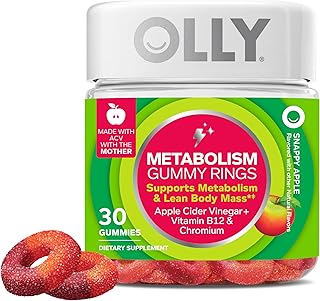
OLLY Metabolism Gummy Rings — $16.97, 4.3★. Chewable apple cider vinegar gummies with B12 and chromium for energy and digestion.

Premium Liquid Collagen — $26.95, 4.4★. Contains hyaluronic acid, biotin, and L‑carnitine to support weight loss, hair, and skin.
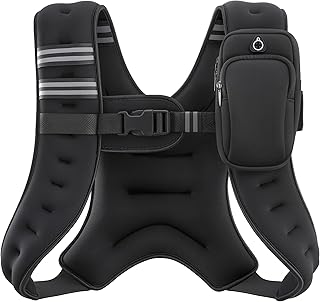
ZELUS Weighted Vest — $28.98, 4.6★. Reflective vest for walking, running, and strength training. Available in multiple weights.

Purely Inspired 7-Day Detox Cleanse — $9.99, 4.2★. Whole‑body cleanse with senna leaf, apple cider vinegar, and probiotics.

Thermogenic Fat Burner Brazilian Lean — $9.99, 4.1★. Aims to boost metabolism and reduce bloating for both men and women.
Prescription options (always consult your doctor):
- Zepbound — $25.00. Injectable weight‑loss medication.
- Contrave — $50.00. Combines bupropion and naltrexone to reduce appetite.
- Phendimetrazine — $4.00. A stimulant appetite suppressant.
Quick Comparison Table
| Product | Price | Rating | Key Feature | Buy at Amazon |
|---|---|---|---|---|
| alli Weight Loss Pills | $65.99 | 4.2★ | Blocks fat absorption | |
| Nature’s Bounty Chromium | $7.49 | 4.5★ | Supports sugar metabolism | |
| OLLY Metabolism Gummies | $16.97 | 4.3★ | ACV + B12 + chromium | |
| Premium Liquid Collagen | $26.95 | 4.4★ | Collagen + L‑carnitine | |
| ZELUS Weighted Vest | $28.98 | 4.6★ | Adjustable 6–30 lbs | |
| Purely Inspired Detox | $9.99 | 4.2★ | Whole‑body cleanse | |
| Brazilian Lean Thermogenic | $9.99 | 4.1★ | Thermogenic fat burner | |
| Zepbound (Rx) | $25.00 | — | GLP‑1 injection |  |
| Contrave (Rx) | $50.00 | — | Bupropion + naltrexone |  |
| Phendimetrazine (Rx) | $4.00 | — | Appetite suppressant |  |
Your Emotional Eating Playbook
Breaking the stress-to‑snack cycle is a skill you can learn. Start with one small change: next time a craving hits, pause and ask yourself what you really need. Then, reach for a tool that works for you—whether it’s a ZELUS Weighted Vest to turn a walk into a workout, or a dose of Nature’s Bounty Chromium Picolinate to calm sugar cravings.
Remember, weight loss isn’t just about willpower. It’s about understanding your biology and creating an environment where healthy choices become automatic. With the right mindset and the right support, you can free yourself from emotional eating and move toward lasting health.
Frequently Asked Questions
Q: Can stress actually cause weight gain?
Yes. Chronic stress raises cortisol, which promotes fat storage, especially around the abdomen. It also increases cravings for high‑calorie comfort foods.
Q: How long does it take to break the stress eating habit?
It varies, but many people notice a shift within two to three weeks of consistently practicing mindful eating and stress‑management techniques.
Q: Are weight loss supplements safe?
Most non‑prescription supplements are safe when used as directed. However, always consult your doctor before starting any new supplement, especially if you have underlying health conditions or take medication.
Q: What is the best way to curb emotional cravings?
Combining psychological strategies (pause, identify the emotion) with physical support (like chromium or a weighted vest workout) works best. There is no single magic bullet.
Q: Should I try prescription weight loss medications?
Prescription options like Contrave, Zepbound, or Phendimetrazine can be effective for some people, but they require a doctor’s supervision and come with potential side effects.