
You’ve been crushing your diet for weeks. The scale keeps dropping — until suddenly it doesn’t. That dreaded weight loss plateau stares back at you. The solution might feel counterintuitive: eat more. Refeeding, when done strategically, can reignite your metabolism and break through stubborn stalls. But it can also backfire if you approach it recklessly.
Understanding the science of refeeding is essential for anyone stuck on a weight loss plateau. When used correctly, it signals your body that starvation isn’t imminent, allowing fat burning to continue. When misused, it becomes a one-way ticket to regained weight and metabolic confusion.

Table of Contents
What Is Refeeding?
Refeeding is a planned increase in calorie intake — usually from carbohydrates — lasting anywhere from one day to a few weeks. The goal isn’t to cheat; it’s to restore hormone levels, replenish glycogen stores, and boost metabolic rate.
During prolonged calorie restriction, your body adapts by lowering your resting metabolic rate. Leptin (the fullness hormone) drops, ghrelin (the hunger hormone) rises, and your thyroid slows down. A well-timed refeed can reverse these adaptations.
When Refeeding Helps Your Weight Loss
Breaking Through a Plateau
The most common reason to refeed is a stubborn plateau that lasts more than two weeks. By temporarily raising calories, you give your metabolism a nudge. Many people see the scale move again within days after returning to their deficit.
Hormonal Reset
Chronic restriction crashes your leptin levels. A refeed spike (especially with carbs) can temporarily boost leptin, signaling your brain that energy is plentiful. This reduces hunger and increases motivation to stay on track.
Better Workout Performance
Low energy and poor gym performance are hallmarks of diet fatigue. Refeeding replenishes muscle glycogen, making your next few workouts feel explosive. Better performance means more calories burned and more muscle preserved.
When Refeeding Hurts Your Progress
The “All-You-Can-Eat” Trap
A common mistake is confusing refeeding with a cheat day. If you consume thousands of extra calories — especially from processed foods — you wipe out your weekly deficit. A true refeed is controlled: usually 200–500 extra calories above maintenance, focused on complex carbs and lean protein.
Risk of Refeeding Syndrome
For individuals who have been severely under-eating for a long time (anorexia, extreme fasting), rapid carbohydrate reintroduction can cause dangerous shifts in electrolytes and fluids. This is a medical emergency. Refeeding syndrome is rare in casual dieters, but anyone with a history of severe restriction should consult a doctor first.
Psychological Setbacks
If you lack discipline, a refeed can trigger a binge eating episode. The mental relief of “permission to eat” can unravel months of progress. It’s crucial to plan refeeds around structure, not emotion.
How to Refeed Correctly for Weight Loss
- Keep it brief: One to three days is enough for most people. Longer refeeds risk fat gain.
- Focus on carbs: Aim for 150–300 grams of carbohydrates from sources like oats, sweet potatoes, rice, and fruit.
- Maintain protein: Keep protein high (0.8–1g per pound of lean mass) to prevent muscle loss.
- Track your calories: Don’t guess. Use a food scale and app to ensure you don’t overshoot.
- Return to your deficit gradually: After a refeed, ease back into your calorie goal over 2–3 days to avoid abrupt hunger spikes.
Supplements and Tools to Support Refeeding & Weight Loss
Strategic supplementation can amplify the benefits of refeeding and help you navigate plateaus. Always pair supplements with a solid nutrition plan.
Metabolic Support

Nature’s Bounty Chromium Picolinate (800 mcg) helps your body metabolize fats, proteins, and carbohydrates. It supports stable blood sugar, which is key during a refeed when carb intake spikes. Priced at just $7.49 and rated 4.5 stars, it’s a budget-friendly metabolism booster.

OLLY Metabolism Gummy Rings combine apple cider vinegar, vitamin B12, and chromium. They’re a tasty way to support energy and digestive health during a refeed. At $16.97 (4.3 stars), they’re a convenient alternative to pills.
Thermogenic Boost

Thermogenic Fat Burner Brazilian Lean is formulated with natural thermogenics and a waist trimmer component. It can raise your metabolic rate slightly, making refeeding days less likely to cause fat storage. Only $9.99 with a 4.1 rating.
Collagen & Beauty

Premium Liquid Collagen for Women includes hyaluronic acid, biotin, and L-carnitine. L-carnitine helps transport fat into cells for energy, which may support fat loss. Priced at $26.95 (4.4 stars), it also supports hair and skin during dieting stress.
Prescription Options (Medical Supervision Required)
For those with obesity or metabolic resistance, prescription medications can assist weight loss when combined with lifestyle changes.

Phendimetrazine is a prescription appetite suppressant. It can be used short-term to help control hunger during a refeed or initial deficit. Price: $4.00.

Zepbound (tirzepatide) is a once-weekly injection for chronic weight management. It improves insulin sensitivity and reduces appetite. At $25.00 per dose, it’s a newer option.

Contrave combines bupropion and naltrexone to target the brain’s reward system. It helps with cravings — useful during the psychological challenge of refeeding. Price: $50.00.
Detox and Weighted Vests

Purely Inspired 7-Day Detox Cleanse supports digestion with senna leaf, probiotics, and apple cider vinegar. May reduce bloating after a refeed. $9.99 (4.2 stars, 11,000 reviews).
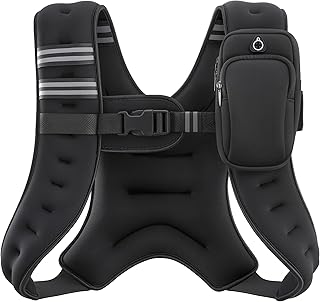
ZELUS Weighted Vest (6–30 lbs) adds resistance to your workouts, boosting calorie burn. Wear it during refeed days to maximize energy expenditure. Rated 4.6 stars, $28.98.
Other Support

alli (Orlistat 60 mg) works by blocking fat absorption. It can help offset the extra fat from a refeed. At $65.99 for 120 capsules, it’s a popular non-prescription aid.
Comparison Table: Top Weight Loss & Refeed Support Products
| Product | Price | Rating | Key Benefit | Buy at Amazon |
|---|---|---|---|---|
|
$9.99 | 4.1 | Thermogenic + bloating support | Buy Now |
|
$7.49 | 4.5 | Metabolism & blood sugar | Buy Now |
|
$16.97 | 4.3 | Chewable ACV + B12 | Buy Now |
|
$26.95 | 4.4 | Collagen + L-carnitine | Buy Now |
|
$28.98 | 4.6 | Weighted vest for extra burn | Buy Now |
Refeeding: The Bottom Line
Refeeding is a powerful tool when you understand its purpose. It helps reset hormones, restore energy, and push past weight loss plateaus. But it demands discipline and planning. Without structure, it becomes just another excuse to overeat.
Combine strategic refeeding with smart supplementation and consistent exercise. The ZELUS Weighted Vest, for example, can amplify your calorie burn on refeed days. And adding Nature’s Bounty Chromium Picolinate helps your body efficiently use those extra carbs.
Remember: weight loss is a marathon, not a sprint. Refeeding is one of the pit stops that can keep you running toward your goal.
Frequently Asked Questions
Can refeeding cause weight gain? Not if you stay near maintenance calories. Temporary water retention from glycogen storage may increase the scale, but that’s not fat gain.
How often should I refeed? Most people benefit from one refeed per week after two to three weeks of deficit. Others without plateaus may not need them.
What should I eat during a refeed? Focus on nutrient-dense carbs: oats, potatoes, quinoa, fruits, and whole grains. Avoid processed sugars and trans fats.
Do I need supplements to refeed? No, but supplements like chromium picolinate or thermogenics can support metabolic efficiency. Always consult a professional before adding new supplements.
Is refeeding safe for everyone? Those with a history of eating disorders or severe malnutrition should seek medical guidance. Otherwise, it’s safe when done moderately.