
You've seen the headlines. Probiotics are everywhere — in yogurt, kombucha, pills, and powders. Some claim they can melt belly fat, curb cravings, and transform your gut into a weight loss machine. But are probiotics for weight loss really effective, or is this just another wellness fad?
The short answer is nuanced. Probiotics can support gut health, and a healthy gut may make weight management easier. However, no pill, drink, or supplement replaces the fundamentals of nutrition and exercise. Let's separate science from hype so you can decide if probiotics deserve a spot in your personal development journey.
Table of Contents
What Are Probiotics and What Do They Actually Do?
Probiotics are live microorganisms — mostly beneficial bacteria — that support your digestive system. Think of them as the good guys living in your gut. They help break down food, produce vitamins, and keep harmful bacteria in check.
A balanced gut microbiome is linked to better digestion, stronger immunity, and even improved mood. Some research suggests that the composition of your gut bacteria may influence how your body stores fat and regulates appetite. That connection is where the weight loss theory comes from.
The Gut-Weight Connection: What Science Says
Your gut microbiome is unique, like a fingerprint. Studies have found that people with obesity often have different gut bacteria profiles than lean individuals. This doesn't prove causation, but it hints at a relationship worth exploring.
Probiotics may influence weight in a few ways:
- Appetite regulation. Certain probiotic strains can increase hormones like GLP-1, which helps you feel full.
- Fat storage. Some bacteria may reduce the amount of fat your body absorbs from food.
- Inflammation. A healthier gut can lower chronic inflammation, which is linked to weight gain.
Despite promising theories, the evidence is not overwhelming. A 2018 review in Nutrients found that probiotics led to modest weight loss — about 2–3 pounds on average — but results varied widely between individuals.
The Hype vs. The Reality
Let's be honest. Most probiotic supplements are not rigorously tested for weight loss. Manufacturers often use generic blends without specifying which strains are included. Strain matters a lot. Lactobacillus gasseri and Lactobacillus rhamnosus have shown some potential, but other strains may have no effect at all.
Here's what you need to know:
- Hype: Probiotics melt belly fat quickly.
- Reality: At best, they offer a small, gradual advantage over time.
- Hype: Any probiotic supplement works.
- Reality: Strain, dosage, and quality matter tremendously.
Probiotics are not a shortcut. They are a support tool, not a solution.
How to Choose a Quality Probiotic
If you decide to try probiotics, look for products that list specific strains, contain at least 1 billion CFUs, and are stored properly. Refrigeration matters for many live cultures.
You can also get probiotics from fermented foods like yogurt, kefir, sauerkraut, and kimchi. These whole food sources offer additional nutrients that supplements may lack.
What Else Is Worth Considering?
Probiotics are just one piece of the weight loss puzzle. Many people combine them with other tools and supplements to see better results. Below are some popular options currently available. Compare them carefully before buying.
 |
 |
 |
 |
 |
 |
 |
|---|
| Product | Price | Key Feature | Best For | Buy at Amazon |
|---|---|---|---|---|
| Purely Inspired 7-Day Detox Cleanse | $9.99 | Contains probiotics, senna, and digestive enzymes | Whole body cleanse and digestion support | Buy Now |
| Nature's Bounty Chromium Picolinate | $7.49 | 800 mcg chromium for sugar metabolism | Metabolic support and appetite regulation | Buy Now |
| alli Weight Loss Diet Pills | $65.99 | Orlistat 60 mg blocks fat absorption | Clinically proven weight loss support | Buy Now |
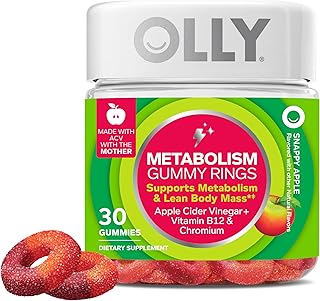
| OLLY Metabolism Gummy Rings | $16.97 | ACV, vitamin B12, and chromium | Energy and digestive health | Buy Now |
| Premium Liquid Collagen | $26.95 | Multi collagen with biotin and l-carnitine | Beauty and weight management | Buy Now |
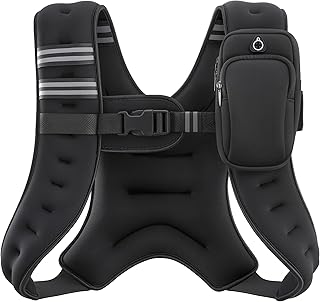
| ZELUS Weighted Vest | $28.98 | 6–30 lb adjustable with reflective stripe | Strength training and calorie burn | Buy Now |
| Thermogenic Fat Burner Brazilian Lean | $9.99 | Thermogenic blend for bloating and metabolism | Women's waist trimming and energy | Buy Now |
Should You Take Probiotics for Weight Loss?
For most people, probiotics are a low-risk addition to a healthy lifestyle. They are not a magic bullet, but they may offer subtle support, especially if your gut health is compromised by poor diet, stress, or antibiotics.
If you already eat a balanced diet rich in fiber and fermented foods, you likely don't need a supplement. If you struggle with bloating, digestion issues, or irregularity, a quality probiotic might help you feel better — and feeling better makes sticking to healthy habits easier.
The Bottom Line
Probiotics for weight loss are more hype than miracle cure, but they are not useless. The key is managing expectations. Use them as one tool in a larger personal development toolkit that includes whole foods, regular movement, stress management, and quality sleep.
Before spending money on any supplement, ask yourself: Am I looking for a shortcut or genuine support? The answer will guide your choices.
FAQ
Can probiotics alone help me lose weight?
No. Probiotics may support weight loss modestly, but they are not effective on their own. They work best when combined with a healthy diet and exercise.
How long does it take for probiotics to work for weight loss?
Most studies show small effects after 8–12 weeks of consistent use. Results depend on the strain, dosage, and your individual gut health.
Are there side effects of taking probiotics?
Some people experience mild bloating or gas when starting probiotics. These symptoms usually resolve within a few days. If you have a compromised immune system, consult a doctor first.
Which probiotic strain is best for weight loss?
Lactobacillus gasseri, Lactobacillus rhamnosus, and Bifidobacterium lactis have shown the most promise in research. Look for products that specify these strains.