
You know the drill—rushing out the door without breakfast, powering through lunch because deadlines are crushing you, then collapsing into a dinner that never satisfies. Skipping meals feels like a shortcut to weight loss, but it actually backfires. Your metabolism slows down, cravings spike, and by late night you’re raiding the pantry. This article gives you a practical hunger-control plan that stops the skipping cycle and helps you lose weight the smart way.
Table of Contents
Why You Keep Skipping Meals
Common reasons include a hectic schedule, fear of overeating, or simply not feeling hungry in the morning. Stress and poor sleep also disrupt hunger hormones like ghrelin and leptin. When you skip meals, your body goes into conservation mode, making it harder to burn fat later. Breaking this habit starts with understanding your triggers and planning ahead.
The Real Cost of Skipping Meals
- Blood sugar roller coaster – Energy crashes, mood swings, and intense cravings.
- Muscle loss – Without regular protein intake, your body breaks down muscle for fuel.
- Slower metabolism – Your body adapts to fewer calories by burning less.
- Binge eating – The evening rebound often undoes any calorie deficit you created.
Men especially lose lean mass when they skip meals, which hurts both strength training and fat loss. Consistency is the foundation of any effective weight loss plan.
Your Hunger-Control Plan: 5 Strategies That Actually Work
1. Start with Protein at Every Meal
Protein is the most satiating macronutrient. Aim for at least 25–30 grams per meal. Good sources include eggs, Greek yogurt, chicken, fish, or a quality protein shake. Eating protein early in the day helps control hunger for hours and stops the urge to skip later meals.
2. Never Skip Breakfast (Even If You’re Not Hungry)
Breakfast jumpstarts your metabolism and sets a steady blood sugar pattern. If you genuinely can’t eat solid food, try a liquid option. For example, a smoothie with protein powder and greens works. Another route is a supplement like Nature's Bounty Chromium Picolinate which supports sugar metabolism—making it easier to keep cravings in check. This tiny tablet (800 mcg) helps your body use carbohydrates efficiently, so you feel more stable energy between meals.

3. Eat Every 3–4 Hours, Even Small Meals
You don’t need giant portions. Frequency matters more than size for appetite control. Plan 4–5 eating windows (breakfast, lunch, dinner, and one or two snacks). Use a timer on your phone if needed. This prevents the extreme hunger that makes you skip later meals because you “ate too much” at one sitting.
4. Fiber and Water Are Your Best Friends
Fiber slows digestion and keeps you full longer. Vegetables, legumes, oats, and chia seeds are excellent. Drink at least 8–10 cups of water daily—thirst often masks itself as hunger. A glass of water before each meal can reduce overeating and help you stick to your meal schedule.
5. Use Targeted Supplements to Support Your Plan
Some men benefit from appetite-regulating or metabolism-boosting supplements. For example, OLLY Metabolism Gummy Rings combine apple cider vinegar, vitamin B12, and chromium in a tasty gummy format. They’re designed to support energy and digestion, making it easier to maintain regular meals.

Another option is alli Weight Loss Diet Pills. Orlistat blocks about 25% of dietary fat absorption and can help you stay on track when you do eat full meals. However, it works best alongside a consistent eating schedule—you’ll know if you skip meals because the side effects are less manageable.

For men who need an extra edge during workouts, adding a ZELUS Weighted Vest (available from 6 lb to 30 lb) to your walks or runs can increase calorie burn and reinforce your commitment to training consistency. Wearing it while you move helps you build discipline around your fitness routine—which naturally supports meal regularity.
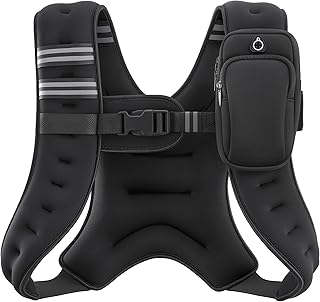
Comparison of Key Supplements for Meal Consistency
| Product | Price | Rating | Key Benefit | Buy at Amazon |
|---|---|---|---|---|
|
$7.49 | 4.5 / 5 | Supports sugar metabolism & stable energy | Buy Now |
|
$16.97 | 4.3 / 5 | ACV + B12 + chromium for metabolism | Buy Now |
|
$65.99 | 4.2 / 5 | Blocks fat absorption when eating regular meals | Buy Now |
|
$28.98 | 4.6 / 5 | Boosts calorie burn during exercise | Buy Now |
When Skipping Meals Is a Medical Concern
If you consistently skip meals despite your best efforts, it might be time to talk to a doctor. Prescription medications like Contrave (bupropion/naltrexone) and Zepbound (tirzepatide) can help regulate appetite when lifestyle changes aren’t enough. These require a prescription and are best used under professional supervision. Similarly, Phendimetrazine is a short-term appetite suppressant that may help break the skipping cycle, but it’s not a long-term solution.
Other supportive options like Purely Inspired 7-Day Detox Cleanse (acai berry, senna, enzymes) or Thermogenic Fat Burner Brazilian Lean can be used as short-term resets, but they won't fix the root habit of skipping meals. Use them as part of a bigger plan, not as a crutch.
How to Build the Habit of Eating on Schedule
- Prep meals on Sunday – Even two or three pre-made meals reduce decision fatigue.
- Set phone alarms for meal times – Treat them like important meetings.
- Start with a small snack – A handful of almonds or a boiled egg counts.
- Pair eating with a daily ritual – Example: coffee + breakfast, no exceptions.
- Track your eating windows – Use a simple notebook or an app.
Consistency is personal development in action. Each time you honor your meal schedule, you reinforce self-discipline. That mental muscle carries over into your training, your work, and your relationships.
Frequently Asked Questions
Q: Is it okay to skip breakfast if I’m intermittent fasting?
Intermittent fasting is different from random meal skipping. If you’re following a structured eating window (e.g., 16:8), you’re not skipping meals—you’re condensing them. The key is to maintain consistency and nutrient density during your eating period.
Q: What if I genuinely have no appetite in the morning?
Start with liquids—a protein shake, smoothie, or even a glass of milk. Over a week or two, your appetite will adjust. Adding a small amount of protein or fat (like nut butter) can trigger your hunger signals.
Q: Can supplements replace a meal?
No. Supplements should complement whole foods, not replace them. Use chromium picolinate or metabolism gummies to support your body while you eat real meals on schedule.
Q: How long does it take to stop skipping meals?
Most people notice improvement within 5–7 days of following the plan. Full habit formation takes about 3 weeks. Be patient with yourself and reset the next day if you slip.
Final Thoughts: Stop Skipping, Start Thriving
Skipping meals isn’t a weight loss strategy—it’s a weight loss saboteur. By following this hunger-control plan, you can regain control over your appetite, stabilize your energy, and finally see progress on the scale. Pair it with consistent training (like using a weighted vest for walks) and smart supplementation, and you’ll build a lifestyle that lasts.
Your hunger-control plan starts with your next meal. Don’t skip it.