
Words can wound deeply—especially when they target a child’s body. Weight-related teasing is one of the most common forms of bullying among teens, and it can leave lasting scars on self-esteem and mental health. If you’re a parent or caregiver searching for how to respond, you need a plan that puts safety first, emotional support second, and healthy action third.
This article walks you through a compassionate, evidence-based approach to handling weight teasing. You’ll learn how to protect your teen’s well-being, build a strong support network, and encourage balanced habits without falling into extreme dieting or shame.
Table of Contents
Understanding the Impact of Weight Teasing
Weight-based teasing isn’t just “kids being kids.” Research shows it is linked to depression, anxiety, disordered eating, and social isolation. Teens who are teased about their weight are also more likely to avoid physical activity and skip meals—actions that can harm long-term health.
The first step in responding is recognizing the pain. Listen without judgment. Avoid minimizing their feelings with phrases like “just ignore them” or “they’re jealous.” Instead, validate their experience: “That must have really hurt. I’m sorry you went through that.”
Key point: Emotional safety comes before any conversation about weight loss. Your child needs to feel heard and loved unconditionally.
Safety First: Protecting Your Child’s Emotional Well-being
Before discussing action steps, ensure your teen feels safe at home and school. Bullying should always be reported to school administrators. If the teasing is severe or includes threats, consider involving a counselor or therapist.
Signs your child may need immediate emotional support:
- Withdrawal from friends or family
- Changes in eating habits (restricting or bingeing)
- Avoiding gym class, sports, or social events
- Expressing self-hatred about their body
If you notice these signs, prioritize mental health over any weight goals. Therapy can help your teen rebuild confidence and develop coping strategies.
Practical safety steps:
- Create a code word they can text you if they feel overwhelmed
- Role-play calm responses to teasing (e.g., “That comment wasn’t cool.”)
- Limit social media exposure that promotes unrealistic body standards
Building a Support System at Home and School
A strong support system is your teen’s best shield against bullying. At home, establish open communication. At school, partner with teachers, counselors, and coaches to create an environment where weight-based teasing is not tolerated.
Family habits that foster support:
- Eat meals together without commenting on portion sizes
- Praise effort, character, and kindness—not appearance
- Model body neutrality: talk about what your body can do, not how it looks
School-level actions:
- Meet with the principal or guidance counselor to discuss anti-bullying policies
- Ask for a “safe adult” your teen can go to if they feel targeted
- Encourage participation in non‑sport activities (art, music, robotics) where appearance is irrelevant
Taking Healthy Action Without Extremes
Once emotional safety is established, you can gently guide your teen toward healthy habits—not as a response to teasing, but as a way to feel stronger and more energetic. Extreme diets, detox teas, and over‑the‑counter weight loss pills are not the answer for teens. However, some supplements can support metabolism when used responsibly under medical supervision.
Always consult a pediatrician or registered dietitian before starting any supplement for a teen.
Balanced, non‑extreme options include:
1. Gentle metabolism support
Products like Nature's Bounty Chromium Picolinate support carbohydrate metabolism. Chromium is a mineral that helps the body use insulin more efficiently and may reduce sugar cravings. At $7.49 with a 4.5‑star rating, it’s an affordable option to discuss with your doctor.

2. Nutrient‑dense gummy supplements
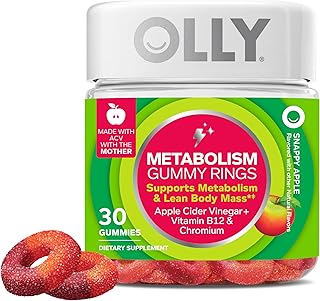
OLLY Metabolism Gummy Rings combine apple cider vinegar, vitamin B12, and chromium in a tasty gummy. They’re designed to support energy and digestion. With 7,100+ reviews and a 4.3‑star rating, these are a popular choice for adults—but teens should check with a healthcare provider first.
3. Weighted vests for strength and cardio
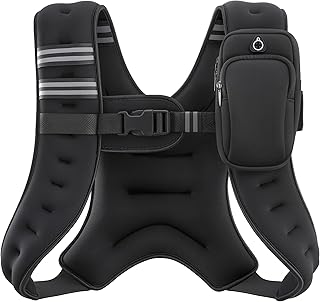
Physical activity should feel fun, not punishing. The ZELUS Weighted Vest (available in 6–30 lbs) adds resistance to walks, runs, or bodyweight exercises. Rated 4.6 stars with nearly 16,000 reviews, it’s a safe way to boost calorie burn and build confidence.
4. Short‑term detox support (adults only)
Products like Purely Inspired 7‑Day Detox Cleanse are sometimes used to kickstart a weight management plan. They contain senna leaf and probiotics for temporary relief of bloating. This is not appropriate for teens, but parents looking for a gentle reset may find it useful.

All of these products should complement—not replace—whole foods, sleep, and stress management.
Comparison Table of Weight Support Products
| Product | Key Benefits | Price | Rating | Buy at Amazon |
|---|---|---|---|---|
|
Supports carb metabolism, sugar control | $7.49 | ⭐ 4.5 | Buy Now |
|
ACV, B12, chromium; energy & digestion | $16.97 | ⭐ 4.3 | Buy Now |
|
Strength, cardio, adjustable weight | $28.98 | ⭐ 4.6 | Buy Now |
|
Whole body cleanse, probiotic support | $9.99 | ⭐ 4.2 | Buy Now |
 |
Thermogenic, bloating relief | $9.99 | ⭐ 4.1 | Buy Now |
 |
Orlistat, fat blocker (adults only) | $65.99 | ⭐ 4.2 | Buy Now |
When Professional Help Is Needed
Sometimes weight teasing triggers deeper issues that require professional intervention. If your teen shows signs of an eating disorder, severe depression, or rapid weight changes, seek help from:
- A licensed therapist specializing in adolescent body image
- A registered dietitian who practices intuitive eating or Health at Every Size
- A pediatrician or endocrinologist if there are underlying medical concerns
For adults struggling with obesity, prescription medications like Zepbound and Contrave are FDA‑approved options. However, these are not suitable for teens. Phendimetrazine is another appetite suppressant that must be used short‑term and under a doctor’s supervision.
Important: Never share prescription weight loss drugs with a child or teen. Always consult a healthcare professional.
Frequently Asked Questions
1. Should I encourage my child to lose weight if they’re being teased?
No. Weight loss should never be a direct response to bullying. Instead, focus on emotional support and healthy habits. Discuss weight management only with a doctor’s guidance and without attaching it to the teasing.
2. What should I say to my child after they’ve been teased?
Validate their feelings, then ask how they’d like to handle it. You might say: “I’m sorry that happened. It’s not okay. Let’s figure out what you need right now.”
3. Are weight loss supplements safe for teens?
Most are not recommended. Some, like chromium picolinate, may be safe in small doses if approved by a pediatrician. Avoid thermogenic fat burners, detox pills, and prescription drugs for teens.
4. How can schools help prevent weight teasing?
Schools can implement anti‑bullying policies that specifically address body‑based harassment, provide staff training, and promote body‑positive messaging in health classes.
5. What if my teen wants to try a product like OLLY Metabolism Gummies?
Check the label: these are formulated for adults. If your teen is over 12 and has no medical conditions, a doctor may approve a half‑dose. Always get professional clearance.