
You may have heard that protein is the secret weapon for weight loss. It keeps you full, boosts your metabolism, and helps preserve muscle when cutting calories. But how much do you really need? The answer is not a one-size-fits-all number, but once you know your personal target, high-protein weight loss becomes much easier.
In this guide, you’ll get practical protein targets backed by research, plus smart strategies to stay satisfied and on track. We’ll also look at helpful supplements and tools—like Nature’s Bounty Chromium Picolinate, which supports fat, protein, and sugar metabolism—that can complement your high-protein diet.
Table of Contents
Why Protein Is Key for Weight Loss
Protein does more than build muscle. It directly impacts the two biggest challenges of weight loss: hunger and metabolic slowdown.
Satiety Superpower
Meals high in protein significantly reduce appetite. Protein triggers the release of hormones like PYY and GLP-1 that tell your brain you’re full. This naturally reduces calorie intake without constant willpower.
Thermic Effect of Food
Your body burns more calories digesting protein (20–30% of its calories) compared to carbs or fats (5–15%). This means by simply eating more protein, you increase your daily energy expenditure.
Muscle Preservation
When you lose weight, you risk losing muscle too. A higher protein intake helps preserve lean mass, keeping your metabolism active and your body toned.
How Much Protein Do You Need? Practical Targets
The standard recommendation for general health is 0.8 grams per kilogram of body weight (0.36 g/lb). For weight loss, you need more. Here are actionable targets based on your goals.
General Weight Loss
Aim for 1.2–1.6 g per kg of body weight (0.55–0.73 g/lb). This range supports satiety and muscle sparing.
Example: A 70 kg (154 lb) person needs 84–112 grams of protein daily.
For Higher Activity or Muscle Building
If you exercise intensely or want to maximize muscle retention, go for 1.6–2.2 g per kg (0.73–1.0 g/lb). This is also ideal if you’re in a calorie deficit.
Per Meal Distribution
Spreading protein evenly across 3–4 meals works best. Aim for 25–40 g per meal to maximize satiety and muscle protein synthesis.
| Body Weight (kg) | Daily Protein (1.2–1.6 g/kg) | Per Meal (3 meals) |
|---|---|---|
| 60 kg (132 lb) | 72–96 g | 24–32 g |
| 70 kg (154 lb) | 84–112 g | 28–37 g |
| 80 kg (176 lb) | 96–128 g | 32–43 g |
| 90 kg (198 lb) | 108–144 g | 36–48 g |
High-Protein Foods and Satiety Strategies
You don’t need protein shakes if you prefer whole foods. Use these satiety-boosting foods to hit your targets.
Top Protein Sources
- Chicken breast, turkey, lean beef
- Eggs, Greek yogurt, cottage cheese
- Fish (salmon, tuna, cod)
- Lentils, chickpeas, tofu, edamame
- Protein powders (whey, casein, plant-based)
Satiety Strategies
- Start your day with protein: 25–30 g at breakfast reduces cravings all day.
- Volume eating: Pair protein with non-starchy vegetables and healthy fats.
- Combine with fiber: For example, chicken salad with leafy greens and avocado.
- Use snacks wisely: A handful of almonds or a hard-boiled egg beats chips.
Supplements to Support Your High-Protein Diet
While whole foods are best, supplements can fill gaps and enhance metabolism. Below are some popular options that work well alongside a high-protein weight loss plan.
Nature’s Bounty Chromium Picolinate

Chromium helps metabolize carbohydrates, fats, and proteins. Many people find it supports stable blood sugar and fewer cravings. This 800 mcg supplement is an affordable addition to your routine at $7.49 with a 4.5-star rating.
OLLY Metabolism Gummy Rings
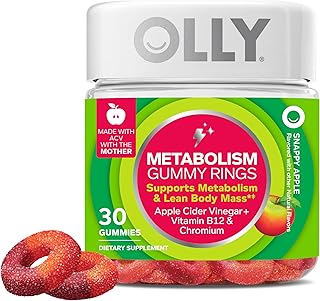
These tasty gummies provide apple cider vinegar (known for appetite control) plus vitamin B12 and chromium. They support energy metabolism and can be taken alongside your high-protein meals. Priced at $16.97, rated 4.3 stars.
Premium Liquid Collagen (with L-Carnitine)

Collagen is a protein that also supports skin and hair. This liquid shot includes L-carnitine, hyaluronic acid, and apple cider vinegar. It’s an easy way to add protein and support metabolism. $26.95, 4.4 stars.
alli Weight Loss Diet Pills (Orlistat)

alli blocks some fat absorption from your meals, which can amplify the calorie deficit from a high-protein diet. It works best when you stick to a low-fat eating plan. $65.99 for 120 capsules, 4.2 stars.
ZELUS Weighted Vest
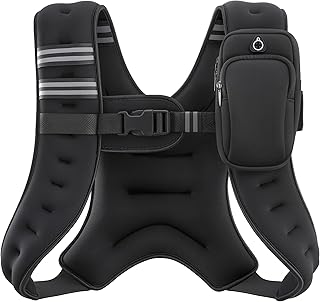
While not a supplement, a weighted vest adds resistance to walking or bodyweight exercises. This boosts calorie burn and muscle engagement—both important when you’re trying to lose fat while eating plenty of protein. $28.98, 4.6 stars.
Purely Inspired 7-Day Detox Cleanse

This gentle cleanse uses senna, probiotics, and apple cider vinegar to support digestion. Some people use it as a jump-start before a high-protein phase. $9.99, 4.2 stars.
Brazilian Lean Thermogenic Fat Burner

A thermogenic formula that can boost metabolism and reduce bloating. Pairs well with a high-protein diet to increase calorie burn. $9.99, 4.1 stars.
Prescription Options (Phendimetrazine, Zepbound, Contrave)
These are medical-grade weight loss aids. Phendimetrazine ($4.00) is an appetite suppressant, Zepbound ($25.00) a GLP-1 receptor agonist, and Contrave ($50.00) a combination of bupropion/naltrexone. They should only be used under a doctor’s supervision, especially if you have a high BMI or weight-related health conditions.
Comparison Table: Top Weight Loss Supports for High-Protein Diets
| Product | Picture | Key Feature | Price | Rating | Buy Now |
|---|---|---|---|---|---|
| Nature's Bounty Chromium Picolinate | |
Supports protein & sugar metabolism | $7.49 | 4.5 | Buy at Amazon |
| OLLY Metabolism Gummy Rings | |
ACV + B12 + chromium | $16.97 | 4.3 | Buy at Amazon |
| Premium Liquid Collagen | |
Protein + L-carnitine + beauty | $26.95 | 4.4 | Buy at Amazon |
| alli (Orlistat) | |
Blocks fat absorption | $65.99 | 4.2 | Buy at Amazon |
| ZELUS Weighted Vest | |
Increase calorie burn during workouts | $28.98 | 4.6 | Buy at Amazon |
| Purely Inspired Detox | |
Whole body cleanse + probiotics | $9.99 | 4.2 | Buy at Amazon |
| Brazilian Lean Fat Burner | |
Thermogenic + bloating relief | $9.99 | 4.1 | Buy at Amazon |
| Phendimetrazine |  |
Prescription appetite suppressant | $4.00 | N/A | Buy at Amazon |
| Zepbound |  |
GLP-1 agonist (prescription) | $25.00 | N/A | Buy at Amazon |
| Contrave |  |
Bupropion/naltrexone (prescription) | $50.00 | N/A | Buy at Amazon |
Disclosure: Always talk to your doctor before starting any supplement or prescription medication. The table is for comparison purposes; effectiveness varies by individual.
Practical Tips for Maximizing Protein’s Effect on Weight Loss
- Start each meal with protein. Eat your protein source first—it will help you feel full sooner.
- Use protein powder strategically. A scoop of whey or plant protein can turn oatmeal or smoothies into high-protein meals.
- Don’t fear healthy fats. Pair protein with healthy fats like avocado or olive oil to extend satiety.
- Stay hydrated. Protein metabolism requires adequate water; aim for 2–3 liters daily.
- Track your intake for a few days. Use an app to see if you’re hitting your target. Adjust as needed.
Frequently Asked Questions
1. Can I eat too much protein on a weight loss diet?
Yes, but it’s rare. Extremely high intake (above 2.5 g/kg) may cause digestive discomfort or put strain on kidneys if you have pre-existing issues. Stick to the recommended range: 1.2–2.0 g/kg.
2. Is plant protein as effective as animal protein for weight loss?
Yes, as long as you get a complete amino acid profile. Combine legumes with grains, or use a high-quality plant protein powder. Both support satiety and muscle maintenance.
3. Should I take protein right after a workout?
While timing matters less than total daily intake, a post-workout protein dose (20–40 g) can improve muscle repair and recovery. It also fits neatly into your meal schedule.
4. What if I’m not hungry in the morning? Can I skip breakfast?
You can practice intermittent fasting and still meet protein targets later. Just ensure your remaining meals contain enough protein—often 40–60 g per meal.
5. Does increasing protein automatically cause weight loss?
No, you still need a calorie deficit. Protein helps you achieve it by reducing hunger and increasing thermogenesis, but portion control matters too.
6. Which of the supplements above is best for a high-protein diet?
Nature’s Bounty Chromium Picolinate is a great value support for metabolism, while Premium Liquid Collagen adds protein directly. For fat blocking, alli can amplify weight loss when combined with a high-protein, low-fat diet.
Your Next Step
Now you have science-backed protein targets and a toolkit of strategies and supplements to support your weight loss journey. Start by calculating your personal protein goal from the table above. Then, plan one high-protein meal today.
Remember, consistency matters more than perfection. Pair your protein with whole foods, stay active, and consider a supplement like Nature’s Bounty Chromium Picolinate to help your body metabolize nutrients efficiently.
You’ve got the knowledge—now put it into action. Your weight loss success starts with the next forkful.