
The world of weight loss is changing fast. You’ve probably heard about GLP-1 receptor agonists like Ozempic, Wegovy, and Zepbound. These medications are transforming how we think about appetite, metabolism, and sustainable weight management. But they aren’t magic pills—and they aren’t for everyone.
If you’re exploring medical weight loss options, understanding what these drugs can and can’t do is essential. This guide walks you through the benefits, realistic expectations, and the most important questions to ask your healthcare provider before starting. Because lasting change starts with informed decisions—and that’s true personal development.
Table of Contents
What Are GLP-1 and Similar Medications?
GLP-1 stands for glucagon-like peptide-1. It’s a hormone your body naturally produces after eating. It tells your brain you’re full, slows stomach emptying, and helps regulate blood sugar.
GLP-1 medications are synthetic versions of this hormone. They include:
- Semaglutide (Ozempic, Wegovy)
- Liraglutide (Saxenda)
- Tirzepatide (Mounjaro, Zepbound)
Other prescription weight loss drugs work through different mechanisms. For example, Contrave combines bupropion and naltrexone to reduce cravings, while Phendimetrazine is a short-term appetite suppressant. These are considered “similar” in that they require medical supervision and target the brain’s hunger signals.
All these options fall under the umbrella of medical weight loss support—which we’ll explore below.
Key Benefits of GLP-1 Medications
GLP-1 drugs offer several distinct advantages for people struggling with obesity or weight‑related health conditions.
- Significant weight loss – Clinical trials show average losses of 12–15% of body weight over 68 weeks with semaglutide, and even more with tirzepatide.
- Appetite control – They reduce hunger and increase satiety, making it easier to eat fewer calories without constant cravings.
- Improved metabolic health – Lower blood sugar, reduced inflammation, and better cholesterol and blood pressure are common.
- Sustainable results – Unlike fad diets, GLP-1 meds can support long‑term weight maintenance when used with lifestyle changes.
But these benefits come with clear expectations. The drugs are tools, not shortcuts.
What to Expect: Realistic Outcomes and Side Effects
Weight Loss Trajectory
Most people lose weight gradually over several months. Early results can be encouraging, but plateaus are normal. Your doctor will monitor progress and adjust dosages if needed.
Common Side Effects
- Nausea, vomiting, diarrhea, or constipation
- Fatigue or headache
- Injection‑site reactions (for injectable forms)
Most side effects fade within a few weeks. Staying hydrated, eating small meals, and avoiding fatty foods can help.
Cost and Accessibility
These medications are expensive—often $1,000+ per month without insurance. Some insurers cover them for type 2 diabetes or obesity, but prior authorization is often required. Zepbound and Contrave are pharmacy‑available options you can explore with a prescription.
Duration of Use
Many people need to stay on GLP‑1 medications for a year or more to maintain weight loss. Stopping abruptly often leads to regain. That’s why pairing the drug with lasting habits is crucial.
Questions to Ask Your Doctor Before Starting
Before you request a prescription, have an honest conversation with your healthcare provider. These questions will help you decide if medical weight loss is right for you.
- Am I a candidate? Eligibility usually requires a BMI ≥30 (or ≥27 with a weight‑related condition like high blood pressure or diabetes).
- Which medication is best for my history? Your doctor will consider your health conditions, other medications, and lifestyle.
- What side effects should I watch for? Know when to call the office, especially for serious issues like pancreatitis or gallbladder problems.
- How long will I need to take it? Discuss a timeline and a plan for transitioning off if desired.
- What lifestyle changes must I make? No medication works well without diet and exercise. Ask for a referral to a dietitian or health coach.
- What is the cost with my insurance? Call your insurance company and the pharmacy ahead of time to avoid surprises.
Supporting Your Journey with Smart Add‑Ons
While GLP‑1 drugs tackle appetite and metabolism from the inside, you can also support your progress with targeted supplements and fitness tools.
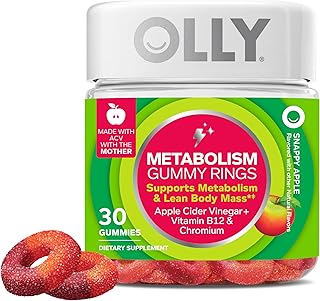
For example, Nature's Bounty Chromium Picolinate helps metabolize fats and carbohydrates. OLLY Metabolism Gummy Rings combine apple cider vinegar, vitamin B12, and chromium for energy and digestive support. And if you’re building exercise into your routine, a ZELUS Weighted Vest adds resistance to walks and strength training.

alli (orlistat) is an over‑the‑counter option that blocks dietary fat absorption—but it works differently than GLP‑1 drugs and should be used under guidance.

Always check with your doctor before adding any supplement to a medication regimen.
Quick Comparison: Popular Weight Loss Medications & Supports
Below is a snapshot of key products mentioned. Click any product to learn more or purchase.
| Product | Price | Rating | Key Feature | Buy at Amazon |
|---|---|---|---|---|
 Zepbound Zepbound |
$25.00* | – | GLP‑1 agonist for weight loss | Buy on Amazon |
 Contrave Contrave |
$50.00* | – | Combination appetite suppressant | Buy on Amazon |
| alli |
$65.99 | 4.2 / 28,600+ | OTC fat blocker | Buy on Amazon |
| Nature's Bounty Chromium |
$7.49 | 4.5 / 8,600+ | Supports sugar & fat metabolism | Buy on Amazon |
| OLLY Metabolism Gummies |
$16.97 | 4.3 / 7,100+ | ACV + B12 + chromium | Buy on Amazon |
*Prescription medications: price shown is co‑pay estimate from Amazon Pharmacy; actual cost varies by insurance.
The Personal Development Angle: You Are Still the Driver
GLP‑1 and similar medications can be powerful allies. But they don’t build your habits—you do. Success comes from using the reduced appetite and better energy as a launching pad for lasting lifestyle changes.
- Mindset – See the medication as a bridge, not a crutch. Focus on learning portion control, mindful eating, and stress management.
- Movement – Whether it’s walking with a weighted vest or strength training, find activity you enjoy.
- Community – Share your journey with a coach, support group, or friend. Accountability fuels consistency.
When you combine medical support with personal growth, the weight loss becomes more than a number—it becomes a transformation.
Frequently Asked Questions
How long does it take to start losing weight on GLP‑1 medications?
Most people notice appetite suppression within the first few days to weeks. Significant weight loss typically begins after 4–8 weeks, once the therapeutic dose is reached.
Can I take GLP‑1 drugs with other supplements like chromium or collagen?
In general, yes. But always check with your doctor. Chromium picolinate and liquid collagen are usually safe, but individual interactions may occur. Premium Liquid Collagen can support skin elasticity during weight loss.
Will I regain weight after stopping the medication?
Weight regain is common if lifestyle changes aren't sustained. Many providers recommend a gradual tapering and continued diet/exercise support.
Is Phendimetrazine the same as GLP‑1?
No. Phendimetrazine is a stimulant‑based appetite suppressant for short‑term use (up to a few weeks). It works differently and has a higher risk of side effects.
Can I buy GLP‑1 medications without a prescription?
No. These are prescription‑only. However, you can order them through Amazon Pharmacy after a valid prescription from your doctor.
Final Thought
Medical weight loss is a journey of partnership—between you, your doctor, and the tools you choose. GLP‑1 medications offer remarkable benefits, but the foundation remains your own commitment to health. Ask the right questions, explore supportive products like Nature's Bounty Chromium Picolinate or the ZELUS Weighted Vest, and keep your eyes on the bigger picture: a healthier, more empowered you.