
Intermittent fasting has taken the wellness world by storm—and for good reason. Evidence shows it can support weight loss, improve metabolic health, and simplify your eating schedule. But with so many fasting protocols out there, how do you know which one fits your goal? Whether you're aiming for rapid fat loss, long-term sustainability, or better energy, there's a method that aligns with your lifestyle.
Before diving in, it’s helpful to know that many people pair intermittent fasting with targeted supplements to manage cravings and boost metabolism. For example, alli Weight Loss Diet Pills (a non‑prescription fat blocker) can be used alongside a fasting plan to reduce dietary fat absorption. But we’ll get to that later.
Table of Contents
What Is Intermittent Fasting?
Intermittent fasting (IF) is an eating pattern that cycles between periods of eating and fasting. Unlike a diet that tells you what to eat, IF focuses on when you eat. Research shows that fasting triggers hormonal changes that make stored body fat more accessible for energy. This can lead to weight loss without requiring extreme calorie restriction.
The Most Popular Intermittent Fasting Methods
1. The 16/8 Method (Leangains)
How it works: Fast for 16 hours each day and eat all your meals within an 8‑hour window (e.g., 12 p.m. to 8 p.m.).
Best for: Beginners, busy professionals, and anyone who wants a sustainable daily routine.
Why it works for weight loss: By compressing your eating window, you naturally consume fewer calories. Studies show it can reduce body weight by 3–8% over 3–24 weeks.
Potential drawbacks: Some people feel hungry during the morning fast, but this usually passes within a week.
2. The 5:2 Diet
How it works: Eat normally for five days of the week. On two non‑consecutive days, consume only 500–600 calories.
Best for: People who prefer flexibility and don't want to fast every day.
Why it works for weight loss: The low‑calorie days create a weekly calorie deficit, leading to gradual fat loss. It’s also easier to socialize on normal days.
Potential drawbacks: The “fasting days” can be difficult at first, and overeating on normal days can sabotage progress.
3. Eat‑Stop‑Eat (24‑Hour Fasts)
How it works: Fast completely for 24 hours once or twice per week. For example, from dinner one day to dinner the next day.
Best for: Experienced fasters looking for powerful metabolic resets.
Why it works for weight loss: A full 24‑hour fast severely depletes glycogen stores and forces your body to burn fat for fuel. It can also improve insulin sensitivity.
Potential drawbacks: Not recommended for beginners – may cause dizziness, headaches, or overeating after the fast.
4. Alternate‑Day Fasting (ADF)
How it works: Alternate between a “fast day” (0–500 calories) and a “feast day” (normal eating). Some variations allow up to 500 calories on fast days.
Best for: Those who want rapid weight loss and are highly motivated.
Why it works for weight loss: You create a massive weekly calorie deficit. A 2017 study found ADF led to 4–8% weight loss over 8 weeks.
Potential drawbacks: Hard to maintain long‑term. Social events can be tricky, and you may feel fatigued on fast days.
5. The Warrior Diet (20:4)
How it works: Fast for 20 hours, then eat one large meal within a 4‑hour window at night (usually raw vegetables and lean protein).
Best for: Adventurous eaters who enjoy a large evening meal.
Why it works for weight loss: Prolonged fasting hours increase fat burning. It also emphasizes whole foods during the eating window.
Potential drawbacks: Very restrictive – may lead to overeating or nutrient deficiencies if not planned well.
6. OMAD (One Meal a Day)
How it works: Eat only one meal per day, typically within a 1–2 hour window.
Best for: People who thrive on simplicity and want the deepest ketosis.
Why it works for weight loss: You consume far fewer calories naturally. Many report enhanced mental clarity and fat loss.
Potential drawbacks: Extremely difficult for most people. Risk of binge eating and missing out on key nutrients.
Which Fasting Type Fits Your Goal?
| Goal | Recommended Method | Why |
|---|---|---|
| Sustainable weight loss | 16/8 | Easy to stick with daily. |
| Rapid fat loss | Alternate‑Day or 5:2 | High calorie deficit, but needs discipline. |
| Simplicity / no meal prep | OMAD or 20:4 | Fewer meals, less decision fatigue. |
| Metabolic health & longevity | 24‑hour fasts (1–2x week) | Deep autophagy and insulin sensitivity. |
| Social flexibility | 5:2 | Eat normally 5 days, fast only 2. |
All methods work if you create a consistent calorie deficit. The best protocol is the one you can follow without feeling deprived.
Support Your Fasting Journey with the Right Tools
Fasting alone can be powerful, but many people find that strategic supplements and equipment make the process smoother. Here are a few science‑backed options to consider:
- Appetite control – Certain supplements help reduce hunger during fasting windows.
- Metabolism support – Ingredients like chromium picolinate, apple cider vinegar, and green tea extract may boost calorie burn.
- Exercise enhancement – A weighted vest added to your walking or strength training routine can increase calorie expenditure.
Spotlight: Three Popular Weight Loss Aids

alli Weight Loss Diet Pills – Orlistat 60 mg blocks about 25% of dietary fat from being absorbed. It’s a proven over‑the‑counter option for those who eat moderate‑fat meals. Use it alongside any fasting plan for an extra edge.
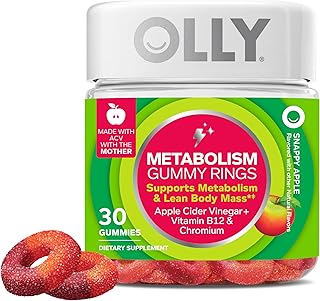
OLLY Metabolism Gummy Rings – Chewable apple cider vinegar gummies with vitamin B12 and chromium. They support energy metabolism and digestive health, perfect for the eating window.

Nature's Bounty Chromium Picolinate – Chromium helps maintain healthy blood sugar levels, which can reduce sugar cravings during fasts and stabilize energy.
Comparison Table of Top Supplements
| Product | Key Feature | Price | Rating | Buy at Amazon |
|---|---|---|---|---|
|
Blocks dietary fat absorption | $65.99 | 4.2 | Buy Now |
|
ACV + B12 + Chromium gummies | $16.97 | 4.3 | Buy Now |
|
Blood sugar & metabolism support | $7.49 | 4.5 | Buy Now |
Another great tool to pair with fasting is a weighted vest for walking or low‑intensity cardio. The ZELUS Weighted Vest (up to 30 lbs) increases calorie burn without adding impact – ideal for fasted workouts.
Frequently Asked Questions About Intermittent Fasting
1. Can I drink water while fasting?
Yes. Water, black coffee, and unsweetened tea are calorie‑free and don’t break your fast.
2. Will intermittent fasting cause muscle loss?
Not if you consume enough protein during your eating window and incorporate resistance training. Fasting alone does not cause muscle catabolism.
3. How quickly will I lose weight with 16/8?
Most people lose 1–2 pounds per week in the first few months, depending on calorie intake and activity level.
4. Can I take supplements while fasting?
Supplements like chromium picolinate or apple cider vinegar gummies contain minimal calories and can be taken during the fast. Always check labels.
5. Is intermittent fasting safe for women?
Generally yes, but some women may experience hormonal disruptions. If you have irregular cycles or are pregnant, consult your doctor first.
6. What if I feel dizzy or weak?
This often happens when starting. Try shortening your fasting window, stay hydrated, and ensure you eat nutrient‑dense meals.
7. Can I combine fasting with a diet like keto?
Yes. Many people combine IF with low‑carb or keto to reach ketosis faster and enhance fat burning.
Final Thoughts
Intermittent fasting is not a one‑size‑fits‑all approach. The key is choosing a pattern that aligns with your daily routine, your goals, and your personal relationship with food. Start with the 16/8 method if you’re new, then experiment with shorter windows or alternate‑day fasting as you adapt.
Remember, consistency beats perfection. And when you pair your fasting schedule with smart tools like alli Weight Loss Pills, OLLY Metabolism Gummies, or a ZELUS Weighted Vest for fasted walks, you give yourself a powerful advantage.
Your weight loss journey is unique – own it, and let intermittent fasting work for you.