
Finding cheaper housing is the fastest way to supercharge your savings. However, a low monthly rent can be a mirage. Hidden costs like a killer commute or a risky neighborhood can quickly turn your "deal" into a financial drain.
This is why you need a Rental Comparison Scorecard. It gives you a single, objective view of Price, Commute, and Risk. Instead of guessing, you use data to find the home that truly saves you money. Once you find that surplus, you need to protect it. Tools like the Wooden Money Saving Box are perfect for locking away the cash you save.
Table of Contents
The Price Pillar: Your True Housing Cost
Sticker price is just the starting point. Your scorecard must calculate the True Monthly Cost.
Calculate the Full Price of Rent
Landlords often hide fees in the lease. Before you score an apartment, add up every mandatory charge.
- Parking Fee: $50–$150/month.
- Pet Rent: $25–$75/month per pet.
- Utility Surcharges: Are water, sewer, and trash included?
- Amenity Fees: Some buildings charge for gym access or pool use.
Scoring (1-10): Compare the True Monthly Cost to your budget.
- 10 Points: True cost is $200+ under budget.
- 5 Points: True cost matches your budget.
- 0 Points: True cost is $200+ over budget.
The Commute Pillar: The $500 Silent Tax
A cheap apartment 45 miles from work is rarely a bargain. The IRS mileage rate for 2024 is 67 cents per mile. A 60-mile round trip costs you $40 per day in vehicle expenses alone.
How to Score Your Commute
You must weigh time and money equally. A short commute gives you back hours of your life and hundreds of dollars in gas.
| Commute Type | Time (One Way) | Money Saved | Score |
|---|---|---|---|
| Walk/Bike/Transit | < 15 mins | Maximum | 10 |
| Short Drive | 15–30 mins | High | 7 |
| Medium Commute | 30–45 mins | Moderate | 4 |
| Long Drive | 45–60+ mins | Low/Negative | 1 |
The Formula: (Daily Miles × $0.67) × 20 Work Days = Monthly Commute Cost. Add this to your rent to get the true cost.
The Risk Pillar: Protecting Your Deposit
A risky rental can wipe out your security deposit and your emergency fund. You must score the landlord and the location.
Landlord and Neighborhood Risk
- Landlord Reliability: Read Google and Yelp reviews. Look for patterns of security deposit theft. A bad landlord costs you thousands in stress and lost money.
- Safety: Check crime maps. High vacancy rates signal trouble. A theft can cost you far more than you saved on rent.
Scoring (1-10):
- 10 Points: Low crime, great landlord reviews, low turnover.
- 5 Points: Average safety, mixed reviews.
- 0 Points: High crime, terrible landlord reputation.
Building Your Master Scorecard
Now, combine the three pillars. List your top apartments in a simple table. The highest total score wins.
| Apartment | Price Score (1-10) | Commute Score (1-10) | Risk Score (1-10) | Total Score |
|---|---|---|---|---|
| Downtown Studio | 4 (Expensive) | 10 (Walkable) | 8 (Safe) | 22/30 |
| Suburban Complex | 8 (Cheap) | 2 (Long Drive) | 6 (Average) | 16/30 |
| Adjacent Townhouse | 7 (Good Price) | 7 (Short Drive) | 9 (Very Safe) | 23/30 |
The Adjacent Townhouse is the winner. It offers the best balance of true value, lifestyle, and peace of mind. It may not be the cheapest on paper, but it is the safest and most efficient.
Securing the Savings: Bank the Difference
You found the winner. Your new rental is cheaper, your commute is shorter, and your risk is low. You now have an extra $300–$500 per month.
This is a critical moment. If you don't lock this money away, it will disappear. You need a physical system to protect your relocation savings.
The 100 Envelope Challenge
If you want to save $5,050 quickly, the 100 Envelopes Money Saving Challenge is highly effective. This binder keeps your cash organized and makes saving a daily habit.

The Wooden Savings Vault
For a "set it and forget it" approach, the Wooden Money Saving Box is ideal. It comes with a lock and tracker. You have to physically break the box to spend the cash, which prevents impulse spending.

The Cash Box for Goal Separation
Maybe you are saving for moving truck fees and a new security deposit. The KYODOLED Cash Box with Key Lock allows you to separate cash into different trays and slots.
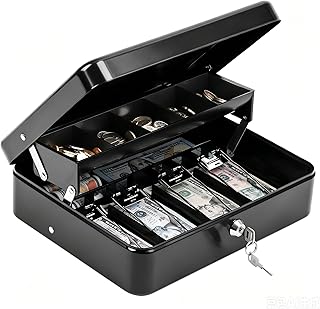
These physical savings tools ensure that the money you save on your relocation actually stays in your pocket. They turn a digital number into a tangible asset.
Conclusion
Stop making housing decisions based on emotion. Start using the Rental Comparison Scorecard.
Score the Price, the Commute, and the Risk. Find the apartment that offers the highest total value, not just the lowest rent. Then, use a physical money saving tool to bank your surplus. This is the ultimate playbook for saving money through relocation.
Frequently Asked Questions
What is the most important column on the scorecard?
Risk. A bad commute can be managed, but a bad neighborhood or a dishonest landlord can drain your finances and destroy your quality of life. Always prioritize safety and landlord reliability.
How do I score commute if I work from home?
Score it as a 10. If you do not have a commute, you save on gas, car maintenance, and time. This is the ultimate scenario for saving money. Factor this into your Price score as a positive.
Can I use a digital tool instead of a physical binder?
Yes, but studies show that physical cash tracking increases savings rates by a significant margin. Tools like the Wooden Money Saving Box or the 100 Envelopes Challenge create a psychological barrier to spending that digital accounts lack.