
If you’re a man trying to lose weight, you’ve probably heard the same old advice: do cardio to burn fat, or lift weights to build muscle and boost your metabolism. The truth is more nuanced. Both cardio and strength training can help you drop pounds, but they work in completely different ways. The real question isn’t which one is better—it’s how to combine them strategically for lasting results.
In this article, we’ll break down the science behind each method, show you what actually moves the scale, and give you a practical plan that fits into your lifestyle. Along the way, we’ll highlight a few tools and supplements that can support your journey, like the ZELUS Weighted Vest for added intensity and weight loss aids such as alli and Nature's Bounty Chromium Picolinate.
Table of Contents
Why the “Cardio vs. Strength” Debate Misses the Point
Weight loss comes down to a calorie deficit—burning more energy than you take in. But the type of exercise you choose influences how many calories you burn during the workout, how your metabolism responds afterward, and whether you preserve or lose muscle mass. Cardio excels at immediate calorie burn, while strength training builds lean tissue that keeps your metabolism humming long after you leave the gym. Neither is a magic bullet, but together they create a powerful fat‑loss engine.
The Case for Cardio: Immediate Calorie Burn and Heart Health
Cardio (running, cycling, swimming, rowing) directly torches calories. A 180‑pound man can burn 400–600 calories in 30–45 minutes of moderate‑intensity cardio. It also improves cardiovascular fitness, reduces stress, and helps regulate blood sugar.
However, too much steady‑state cardio without resistance training can lead to muscle loss. When you lose muscle, your resting metabolic rate drops, making it harder to keep the weight off. That’s why many guys who rely solely on cardio hit a plateau after a few months.
How to make cardio work for weight loss:
- Mix high‑intensity interval training (HIIT) with steady‑state sessions.
- Keep sessions to 30–45 minutes, 3–5 times per week.
- Use a weighted vest like the ZELUS Weighted Vest (available in 6–30 lbs) to increase calorie burn without adding joint strain. This simple addition can boost your cardio’s intensity and help build muscle endurance at the same time.
The Case for Strength Training: Build Muscle, Boost Metabolism
Strength training (lifting weights, bodyweight exercises, resistance bands) doesn’t burn as many calories during the workout as cardio, but it creates a powerful afterburn effect (excess post‑exercise oxygen consumption, or EPOC). Your body continues to burn extra calories for hours after you stop lifting, especially with heavy compound movements like squats, deadlifts, and presses.
More importantly, every pound of muscle you add increases your resting metabolic rate by about 6–10 calories per day. Over a month, that can add up to hundreds of calories burned without any extra effort. And because muscle is denser than fat, the scale might not move much initially—but your body composition improves dramatically.
Key principles for strength training during weight loss:
- Aim for 3–4 full‑body sessions per week.
- Focus on progressive overload (increase weight or reps over time).
- Keep rest periods to 60–90 seconds for metabolic effect.
Supplements can help you get the most out of your workouts. For example, Premium Liquid Collagen with L‑Carnitine supports muscle recovery and may aid fat metabolism. And if you struggle with cravings, prescription‑level options like Phendimetrazine or Contrave can be used under medical supervision to help control appetite. Always consult a doctor before starting any medication.
What Actually Moves the Scale: The Winning Combination
The answer is not an either‑or. The most effective approach for sustainable weight loss is a blend of both cardio and strength training, anchored by a consistent nutrition plan.
Here’s a sample weekly split for a busy man:
| Day | Workout Type | Duration |
|---|---|---|
| Monday | Strength (upper body) | 45 min |
| Tuesday | HIIT cardio (treadmill sprints, bike intervals) | 25 min |
| Wednesday | Strength (lower body) | 45 min |
| Thursday | Moderate cardio (jog or swim) | 35 min |
| Friday | Strength (full body) | 45 min |
| Saturday | Active recovery (walk, yoga) | 30 min |
| Sunday | Rest | – |
Nutrition is still the biggest driver of calorie deficit. No amount of exercise can out‑train a poor diet. That’s where supplements like OLLY Metabolism Gummy Rings (with apple cider vinegar, vitamin B12, and chromium) can support your metabolism and digestive health. For a more targeted approach, alli (orlistat) blocks some fat absorption and is backed by clinical studies. And if you want a gentle whole‑body cleanse, Purely Inspired 7‑Day Detox could help reset your system after overindulging.
Comparison Table: Top Weight Loss Aids for Men
| Product | Features | Price | Buy at Amazon |
|---|---|---|---|
 |
Blocks fat absorption, non‑prescription, 120 capsules | $65.99 | Buy Now |
 |
Supports fat & protein metabolism, 800 mcg, 50 tablets | $7.49 | Buy Now |
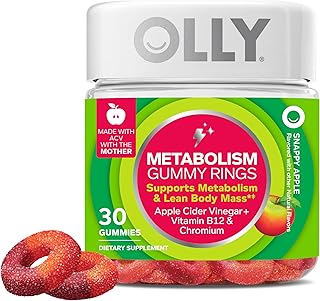 |
ACV, B12, chromium, gummy form, 30 count | $16.97 | Buy Now |
 |
Liquid collagen + L‑Carnitine, hyaluronic acid, biotin | $26.95 | Buy Now |
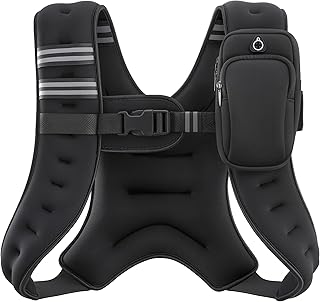 |
6–30 lb, reflective strip, for cardio & strength | $28.98 | Buy Now |
 |
Senna leaf, ACV, probiotics, 42 capsules | $9.99 | Buy Now |
 |
Thermogenic fat burner, 60 capsules, for men & women | $9.99 | Buy Now |
 |
Prescription appetite suppressant, 35 mg tablet | $4.00 | Buy Now |
 |
Prescription injection for weight management | $25.00 | Buy Now |
 |
Prescription combination, extended‑release | $50.00 | Buy Now |
Consistency Is the Real Game‑Changer
You can have the perfect cardio‑strength split and the best supplements, but none of it works without consistency. Men who see lasting results build habits they can stick with for years, not weeks. That means choosing a workout schedule that fits your life, tracking your food with a simple app, and giving yourself grace when you slip.
The scale can be frustrating, especially when muscle gain masks fat loss. That’s why it’s smart to also measure waist circumference, take progress photos, and pay attention to how your clothes fit.
FAQ: Cardio vs. Strength for Men
1. Should I do cardio or strength first in a workout?
It depends on your goal. If you want to maximize strength gains, lift first while your energy levels are high. If your main focus is fat loss, you can start with 15–20 minutes of cardio to warm up, then lift, then finish with more cardio. Both approaches work—what matters most is total weekly volume.
2. How much cardio do I need to lose weight?
The American College of Sports Medicine recommends at least 150 minutes of moderate‑intensity or 75 minutes of vigorous‑intensity cardio per week for general health. For weight loss, 200–300 minutes per week is often more effective, combined with strength training.
3. Will lifting weights make me bulky?
No—especially if you’re in a calorie deficit. Building significant muscle mass requires a surplus of calories and dedicated mass‑building training. When you’re losing weight, strength training helps you retain the muscle you have, leading to a leaner, more athletic look.
4. Can I lose weight without supplements?
Absolutely. Supplements are just that—supplementary to a solid diet and exercise plan. Products like alli, Nature's Bounty Chromium, and OLLY Metabolism Gummies can help fill nutrient gaps or support specific metabolic pathways, but they won’t override a poor diet.
5. What’s the best weight loss supplement for men?
There’s no single “best” because individual responses vary. Start with science‑backed options like chromium picolinate for blood sugar control, or a thermogenic like Brazilian Lean. For more stubborn cases, prescription medications such as Phendimetrazine, Zepbound, or Contrave can be effective—but only under a doctor’s supervision.