
If you’ve ever wondered why some people seem to drop weight effortlessly while others struggle, the answer often comes down to one simple concept: calorie deficit. It’s the cornerstone of almost every successful weight loss journey. But what exactly does it mean, and how can you use it without feeling miserable?
In this guide, we’ll break down calorie deficit in plain English—no complicated math, no starvation diets. You’ll learn what it is, why it works, and practical ways to create one that fits your lifestyle. Plus, we’ll look at a few tools and supplements that can support your efforts, like alli Weight Loss Diet Pills and OLLY Metabolism Gummy Rings. Let’s dive in.
Table of Contents
What Is a Calorie Deficit?
A calorie deficit happens when you consume fewer calories than your body burns in a day. Think of it like a bank account: you need to spend more than you deposit to create a “deficit.” Your body then turns to stored energy—mostly body fat—to make up the difference.
Key points to remember:
- It’s not about starving yourself; it’s about energy balance.
- Your body burns calories even at rest (breathing, heart beating, digestion).
- A consistent deficit of 300–500 calories per day leads to safe, sustainable weight loss of about 0.5–1 pound per week.
How a Calorie Deficit Leads to Weight Loss
When you’re in a deficit, your body taps into its fat reserves for fuel. This process is called lipolysis. Over time, the stored fat shrinks, and your weight goes down. It’s a biological law—not a trend.
But here’s the catch: if the deficit is too large (say, 1,000+ calories per day), your body may also break down muscle for energy. That’s why slow and steady wins the race. Combine a moderate deficit with resistance training to preserve lean mass.
How to Calculate Your Calorie Deficit
You don’t need a degree in nutrition to figure this out. Start with these three steps:
- Find your Basal Metabolic Rate (BMR) – the calories your body burns at rest. Use an online calculator (based on age, sex, weight, height).
- Multiply by an activity factor – 1.2 (sedentary) to 1.9 (very active). This gives your Total Daily Energy Expenditure (TDEE).
- Subtract 300–500 calories from your TDEE. That’s your daily calorie target.
Example: If your TDEE is 2,000 calories, aim for 1,500–1,700 calories per day.
Practical Ways to Create a Calorie Deficit
You can create a deficit by eating less, moving more, or a combination of both. Here are sustainable strategies:
- Eat more protein and fiber – they keep you full longer.
- Drink water before meals – helps reduce calorie intake by up to 15%.
- Use smaller plates – visual cues trick your brain into feeling satisfied.
- Increase daily movement – take the stairs, walk after meals, or try a weighted vest like the ZELUS Weighted Vest to boost calorie burn without extra time.
Using Supplements to Support Your Deficit
Supplements can’t replace a healthy diet, but some may help curb cravings, boost metabolism, or block fat absorption. Here are a few popular options:
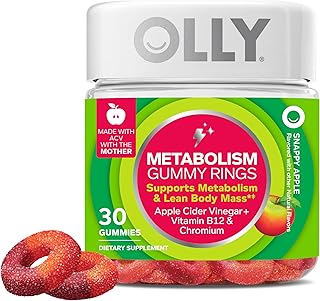
OLLY Metabolism Gummy Rings – contain apple cider vinegar, vitamin B12, and chromium. Chromium helps regulate blood sugar, which can reduce cravings for sweets. Price: $16.97 | Rating: 4.3

Nature's Bounty Chromium Picolinate – an affordable mineral supplement that supports fat and carbohydrate metabolism. Price: $7.49 | Rating: 4.5

alli (Orlistat 60 mg) – blocks about 25% of dietary fat absorption. Works best alongside a low-fat diet. Price: $65.99 | Rating: 4.2
Comparison Table: Top Weight Loss Aids
| Product | Price | Rating | Key Benefit | Buy at Amazon |
|---|---|---|---|---|
|
$65.99 | 4.2 | Blocks fat absorption | Buy alli |
|
$16.97 | 4.3 | Metabolism & craving support | Buy OLLY |
|
$7.49 | 4.5 | Chromium for sugar metabolism | Buy Nature's Bounty |
Note: Always consult a healthcare professional before starting any supplement, especially prescription medications like orlistat.
Common Mistakes and How to Avoid Them
Even with the best intentions, beginners often fall into these traps:
- Cutting too many calories too fast – leads to fatigue, cravings, and rebound eating. Stick to a moderate deficit.
- Forgetting about protein – you need at least 0.7g per pound of body weight to preserve muscle.
- Relying only on exercise – it’s easier to eat back calories through exercise. Diet is more critical.
- Ignoring sleep and stress – poor sleep increases hunger hormones and can sabotage your deficit.
FAQ
1. Can I lose weight without counting calories?
Yes. Focus on whole foods, portion control, and mindful eating. Many people find success with intermittent fasting or the “50% plate rule” (fill half with vegetables).
2. How fast will I see results with a calorie deficit?
Expect 1–2 pounds per week in the beginning, then 0.5–1 pound per week as you get leaner. Slow loss is more sustainable.
3. Do I need to exercise to be in a deficit?
No. You can lose weight through diet alone, but exercise helps preserve muscle and improves overall health. A weighted vest can add intensity without extra time.
4. Are weight loss supplements like alli safe?
Over-the-counter orlistat (alli) is FDA-approved but can cause side effects like oily stools. Prescription options like Zepbound and Contrave are available through a doctor. Always read labels.
5. What’s the best way to start a calorie deficit today?
Calculate your TDEE, subtract 300 calories, and track your food for one week using an app. Small changes add up.
Creating a calorie deficit doesn’t have to be complicated. Start small, stay consistent, and use tools like quality supplements or a weighted vest to support your journey. Remember, the goal isn’t perfection—it’s progress. You’ve got this.