
Your morning coffee might be doing more than just waking you up. Caffeine is one of the most researched and widely used stimulants for weight loss, and for good reason. It can boost metabolism, enhance fat burning, and improve workout performance.
But caffeine is not a magic bullet. Understanding how it works, the right dosage, and the potential risks is essential to using it safely and effectively. Let’s break down everything you need to know about caffeine and fat loss.
Table of Contents
How Caffeine Helps You Burn Fat
Caffeine works on multiple levels to support fat loss. Its primary mechanism is stimulating the central nervous system, which increases energy expenditure and mobilizes fat from your fat cells.
When caffeine enters your bloodstream, it blocks adenosine receptors. This reduces feelings of fatigue and increases the release of neurotransmitters like dopamine and norepinephrine. The result? You feel more alert, focused, and ready to move.
Key fat‑loss mechanisms include:
- Thermogenesis: Caffeine raises your body’s core temperature slightly, which increases calorie burn even at rest.
- Lipolysis: It signals fat cells to release stored fatty acids into the bloodstream, where they can be used as fuel.
- Appetite suppression: A moderate dose of caffeine can temporarily reduce hunger, making it easier to stick to a calorie deficit.
- Exercise performance enhancement: By reducing perceived effort and improving endurance, caffeine helps you work harder and burn more calories during workouts.
Benefits of Caffeine for Weight Loss
The research is clear: caffeine can give your fat‑loss efforts a meaningful boost—especially when combined with a healthy diet and regular exercise.
1. Boosts metabolic rate
A single dose of caffeine can increase your metabolic rate by 3–11%, with the effect lasting for several hours. This means you burn more calories throughout the day without changing anything else.
2. Increases fat oxidation
Studies show that caffeine can increase fat burning during exercise by up to 30%, particularly in lean individuals. Your body becomes more efficient at using stored fat for energy.
3. Improves workout quality
Caffeine helps you train harder and longer. A pre‑workout coffee can improve strength, power, and endurance. Over time, this leads to greater calorie burn and muscle preservation, which supports a higher resting metabolism.
4. Reduces cravings
Some research suggests caffeine can blunt appetite for a few hours, making it easier to avoid snacking between meals.
Risks and Side Effects
Caffeine is safe for most people in moderate amounts, but it’s not without downsides. Overdoing it or being sensitive can lead to uncomfortable and even dangerous side effects.
Common risks include:
- Sleep disruption: Caffeine can interfere with sleep quality, especially if consumed late in the day. Poor sleep is linked to higher hunger hormones and lower metabolic rate.
- Anxiety and jitters: High doses may cause nervousness, rapid heartbeat, and restlessness, particularly in people who are sensitive.
- Tolerance: Your body adapts to caffeine over time. You may need higher doses to get the same effects, and stopping suddenly can cause withdrawal headaches.
- Dependency: Regular use can lead to psychological and physical dependence.
- Dehydration: Caffeine is a mild diuretic, but the effect is minimal in habitual users. Still, it’s wise to drink water throughout the day.
- Digestive issues: For some, coffee and caffeine can cause stomach upset or acid reflux.
When to avoid or limit caffeine: If you have high blood pressure, heart arrhythmias, anxiety disorders, or are pregnant, talk to your doctor before increasing your intake.
Optimal Dosing for Fat Loss
More caffeine is not always better. The sweet spot for most people is between 100–400 mg per day, which is about 1–4 cups of coffee.
General dosing guidelines:
- Start low: If you’re new to caffeine, begin with 100–150 mg (one small coffee) and observe how you feel.
- Pre‑workout timing: Take 200–300 mg about 30–60 minutes before exercise for maximum performance and fat oxidation.
- Avoid late afternoon: Stop caffeine intake at least 6–8 hours before bed to protect your sleep.
- Cycle your intake: To prevent tolerance, consider taking 1–2 days off per week or using caffeine only on workout days.
Individual factors matter. Genetics, body weight, and habitual use all affect how you respond. Pay attention to your own energy, sleep, and side effects.
Top Products to Support Your Caffeine-Powered Fat Loss Journey
Caffeine works well on its own, but combining it with targeted supplements can amplify results. Here are a few options worth considering.
1. Thermic Fat Burner: Brazilian Lean

This thermogenic supplement is designed to boost metabolism and reduce bloating. With a 4.1‑star rating from 5,000 reviews, it’s a popular choice for both women and men. At $9.99, it’s an affordable addition to your fat‑loss stack.
2. alli Weight Loss Diet Pills

alli contains orlistat, which blocks fat absorption from food. It’s not a stimulant, so it works differently than caffeine. This 120‑count refill pack costs $65.99 and has a 4.2‑star rating with over 28,600 reviews.
3. Nature’s Bounty Chromium Picolinate

Chromium supports fat, protein, and sugar metabolism. Taking it alongside caffeine may help stabilize blood sugar and reduce cravings. At $7.49 with a 4.5‑star rating, it’s one of the most affordable supplements on the market.
4. OLLY Metabolism Gummy Rings
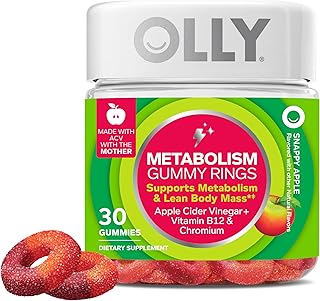
These gummies combine apple cider vinegar, vitamin B12, and chromium. They’re a convenient way to support digestion and energy. Priced at $16.97 (4.3 stars, 7,100 ratings).
Comparison of Popular Weight Loss Supplements
| Product | Price | Key Ingredient | Rating | Buy at Amazon |
|---|---|---|---|---|
| Thermogenic Fat Burner Brazilian Lean | $9.99 | Thermogenic blend, possibly caffeine | 4.1 | |
| alli Weight Loss Diet Pills | $65.99 | Orlistat (fat blocker) | 4.2 | |
| Nature’s Bounty Chromium Picolinate | $7.49 | Chromium (mineral) | 4.5 | |
| OLLY Metabolism Gummy Rings | $16.97 | Apple cider vinegar, B12, chromium | 4.3 | |
How to Maximize Fat Loss with Caffeine
Caffeine works best when it’s part of a bigger strategy. Use these tips to get the most out of it.
- Pair caffeine with exercise. Drinking coffee 30 minutes before a workout increases fat burning and boosts intensity.
- Eat a balanced diet. No supplement can out‑perform a calorie deficit and whole foods. Use caffeine as a tool, not a crutch.
- Stay hydrated. Caffeine’s mild diuretic effect is easily offset by drinking plenty of water.
- Get enough sleep. If caffeine interferes with your sleep, cut back or move your last cup earlier. Sleep is critical for weight loss.
- Consider cycling. Taking breaks from caffeine helps maintain its effectiveness and reduces the risk of dependency.
Frequently Asked Questions
How much caffeine should I take for fat loss?
Most studies recommend 100–400 mg per day, broken into one or two doses. Avoid exceeding 400 mg to prevent side effects.
Does caffeine burn belly fat directly?
Caffeine increases overall fat burning, but spot reduction is not possible. It helps you lose fat from all over, including your belly, when combined with a calorie deficit.
Can I take caffeine with other weight loss supplements?
Yes, but be cautious. Some supplements (like thermogenics) already contain caffeine. Check labels to avoid overdoing it. Start with low doses to see how you tolerate the combination.
Is it safe to drink coffee every day?
For most healthy adults, 3–4 cups per day is safe. However, if you have anxiety, heart problems, or are pregnant, consult a doctor.
What’s the best time to take caffeine for weight loss?
Morning or early afternoon is ideal to avoid sleep disruption. For workouts, take it 30–60 minutes beforehand.
The Bottom Line
Caffeine is a powerful, well‑researched tool for accelerating fat loss. It boosts metabolism, increases fat oxidation, and makes exercise feel easier. But it’s not a substitute for a healthy lifestyle.
Use caffeine wisely: start with moderate doses, time it strategically, and listen to your body. Combine it with a nutritious diet, regular movement, and quality sleep for lasting results.
Whether you choose a cup of coffee or a targeted supplement like alli or Brazilian Lean, caffeine can give your fat‑loss journey a helpful edge. Just remember—the real transformation happens with consistent habits over time.