
Building muscle isn’t just about how hard you train—it’s about what you feed your body afterward. Protein powder bridges the gap between your workout and your recovery, giving your muscles the raw materials they need to repair and grow. But with hundreds of tubs on the shelf, how do you know which one actually works?
We’ve consulted certified trainers and sifted through real-world reviews to bring you the trainer-approved protein powders that deliver real results. Whether you’re a seasoned lifter or just starting your strength journey, the right scoop can make all the difference. And yes, we’ve included the top sellers from Amazon—like the legendary Optimum Nutrition Gold Standard 100% Whey and the fast-absorbing Dymatize ISO 100—so you can buy with confidence.
Table of Contents
Why Protein Powder Matters for Muscle Gain
If you want to pack on lean mass, your body needs a steady supply of amino acids—especially leucine, the primary trigger for muscle protein synthesis. Whole foods are essential, but protein powder offers convenience, speed, and a precise dose of quality protein without the extra calories and prep time.
Trainers agree: a post-workout shake within 30–60 minutes of training accelerates recovery and maximizes hypertrophy. The best protein powders provide 20–30 grams of protein per serving, minimal added sugars, and a complete amino acid profile. They’re also tested for purity, so you’re not consuming fillers or artificial junk.
What to Look for in a High-Quality Protein Powder
Before we dive into the top picks, let’s break down the key factors trainers consider when choosing a protein supplement. This knowledge will help you make an informed decision—and it’s exactly what we cover in our in-depth guide on What to Look for in a High-quality Fitness Protein Supplement?.
Protein Source & Type
- Whey Isolate: Fast-digesting, low in carbs and fat, high protein per scoop. Ideal for post-workout.
- Whey Concentrate: Slightly more carbs and fat, but still effective. Often more affordable.
- Plant-Based: Pea, brown rice, hemp. Best for vegans or those with lactose intolerance. Look for blended blends to ensure complete amino acids.
- Casein: Slow-digesting, great before bed for overnight recovery.
Protein Content & Amino Acid Profile
Aim for at least 20–25 grams of protein per serving. The product should contain all nine essential amino acids, with a focus on BCAAs (leucine, isoleucine, valine). Leucine content should be around 2.5–3 grams per scoop.
Purity & Third-Party Testing
Avoid proprietary blends that hide exact amounts. Look for certifications like NSF Certified for Sport, Informed Choice, or GRAS. Also check for artificial sweeteners, fillers, or excessive additives.
Digestibility
Some people bloat from whey. If you’re sensitive, try a hydrolyzed isolate (like Dymatize ISO 100) or a plant-based option with digestive enzymes.
Whey Protein vs. Plant-Based: Which Is Better for Muscle Gain?
It’s the age‑old debate. Whey protein is the gold standard for muscle building because of its rapid absorption and high leucine content. It’s a complete protein derived from milk, and studies consistently show it outperforms most plant proteins in stimulating muscle protein synthesis.
Plant-based proteins have come a long way. Brands like Orgain Organic Vegan Protein now deliver 21 grams of protein per serving with added prebiotic fiber. The key is to choose a blend (pea + rice) to ensure a full amino acid profile. If you’re lactose‑intolerant or vegan, plant-based is a perfectly viable option—just be prepared to consume slightly more per serving to match whey’s leucine kick.
Trainer tip: If you can tolerate dairy, start with whey isolate. If you want a cleaner, easier‑to‑digest option, go with a high‑quality plant blend.
The Trainer-Approved Protein Powders for Serious Gains
We’ve handpicked the most effective, best‑rated protein powders that coaches and athletes trust. Each product below has been tested for taste, mixability, and results. We’ll include direct Amazon links and images so you can grab the best deal.
1. Optimum Nutrition Gold Standard 100% Whey
The undisputed king of whey protein. With over a million reviews and a 4.7‑star rating, ON Gold Standard is the benchmark. It blends whey isolate, concentrate, and hydrolysate for rapid absorption and a smooth texture.

| Spec | Detail |
|---|---|
| Protein per serving | 24g |
| Calories | 120 |
| Fat | 1g |
| Carbs | 3g |
| Sweetener | Sucralose |
| Rating | ⭐ 4.6 (Double Rich Chocolate) / 4.7 (Vanilla) |
Why trainers love it: It dissolves instantly, tastes great, and won’t break the bank. The 5‑pound Vanilla Ice Cream tub is a staple in nearly every gym bag. If you prefer a smaller size, the 2‑pound Vanilla is perfect for traveling.
2. Dymatize ISO 100 Hydrolyzed Whey Isolate
For those who want zero bloat and lightning‑fast absorption. Dymatize ISO 100 is hydrolyzed, meaning the protein chains are pre‑broken for near‑instant digestion. It’s also low in carbs and fat—ideal for cutting or post‑workout when you want pure protein.

| Spec | Detail |
|---|---|
| Protein per serving | 25g |
| Calories | 110 |
| Fat | 0.5g |
| Carbs | 2g |
| Sweetener | Sucralose |
| Rating | ⭐ 4.7 |
Why trainers love it: Each scoop delivers 5.5g of BCAAs with a creamy flavor. The Fruity Pebbles ISO100 is a fun twist that still packs 25g of protein.
3. Transparent Labs Grass-Fed Whey Protein Isolate
Clean label, no artificial additives. Transparent Labs uses grass‑fed whey from small farms and sweetens with stevia. It’s a favorite among trainers who value ingredient transparency.

| Spec | Detail |
|---|---|
| Protein per serving | 28g |
| Calories | 130 |
| Fat | 1g |
| Carbs | 4g |
| Sweetener | Stevia |
| Rating | ⭐ 4.5 |
Why trainers love it: 28 grams of protein is hard to beat. It’s also gluten‑free and contains no artificial dyes or preservatives.
4. Premier Protein Powder – Chocolate Milkshake
Budget‑friendly and surprisingly delicious. Premier Protein delivers 30g of protein with only 1g of sugar—perfect for weight management while gaining muscle.

| Spec | Detail |
|---|---|
| Protein per serving | 30g |
| Calories | 150 |
| Fat | 2g |
| Carbs | 5g |
| Sweetener | Sucralose |
| Rating | ⭐ 4.6 |
Why trainers love it: It’s keto‑friendly, has no soy, and mixes well in water or milk. The Vanilla Milkshake is equally popular.
5. Orgain Organic Vegan Protein Powder
The top plant‑based choice for muscle gain. Orgain’s blend of pea, brown rice, and chia provides 21g of complete protein plus 6g of prebiotic fiber for gut health.

| Spec | Detail |
|---|---|
| Protein per serving | 21g |
| Calories | 150 |
| Fat | 4g |
| Carbs | 15g |
| Sweetener | Stevia |
| Rating | ⭐ 4.5 |
Why trainers love it: No added sugar, no weird aftertaste. The Orgain Vegan + 50 Superfoods version adds antioxidants and extra fiber. For strict macro counters, the Unsweetened Unflavored is fantastic.
How to Choose a Protein Powder Like a Fitness Influencer
You’ve seen influencers toss scoops into smoothies and claim magic results. But what’s the real method? We break it down in our guide on How to Choose a Protein Powder like a Fitness Influencer?.
The short version: don’t be swayed by flashy marketing. Instead, check the ingredient list, look for third‑party seals, and match the protein source to your digestive tolerance. A trainer‑approved powder will always have a clear amino acid profile, a reasonable price per serving, and no proprietary blends.
Best Protein Powders on Amazon – Quick Comparison
Here’s the full list of top‑rated protein powders from Amazon that trainers keep recommending. Each image is a clickable link to the product page.
| Product | Image | Price | Rating | Key Feature |
|---|---|---|---|---|
| Optimum Nutrition Gold Standard, Double Rich Chocolate 1.98 lb | |
$44.99 | ⭐4.6 | 24g whey blend |
| Optimum Nutrition Gold Standard, Vanilla Ice Cream 5 lb |  |
$79.99 | ⭐4.7 | Best value bulk |
| Optimum Nutrition Gold Standard, Vanilla Ice Cream 2 lb | 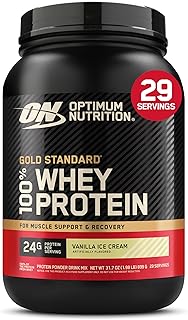 |
$44.99 | ⭐4.7 | Travel size |
| Premier Protein, Chocolate Milkshake 29 serves | |
$25.97 | ⭐4.6 | 30g protein, 1g sugar |
| Premier Protein, Vanilla Milkshake 17 serves |  |
$31.60 | ⭐4.6 | Keto friendly |
| Orgain Organic Vegan, Vanilla Bean 2.03 lb | |
$31.52 | ⭐4.5 | Plant, 21g protein |
| Dymatize ISO 100, Vanilla 5 lb | |
$108.99 | ⭐4.7 | Hydrolyzed isolate |
| Transparent Labs Grass-Fed, French Vanilla | |
$59.99 | ⭐4.5 | 28g grass‑fed |
| Body Fortress Super Advanced, Vanilla 3.9 lb |  |
$45.28 | ⭐4.6 | Added vitamins C, D, zinc |
| Six Star Whey Protein Plus, Triple Chocolate 1.82 lb |  |
$24.97 | ⭐4.5 | Budget isolate blend |
| Isopure Zero Carb, Unflavored 3 lb |  |
$89.95 | ⭐4.4 | Zero carb, 25g protein |
| Dymatize Elite 100% Whey, Rich Chocolate 5 lb |  |
$76.18 | ⭐4.6 | Budget whey, 25g protein |
| Orgain Vegan + 50 Superfoods, Vanilla Bean 2.02 lb | 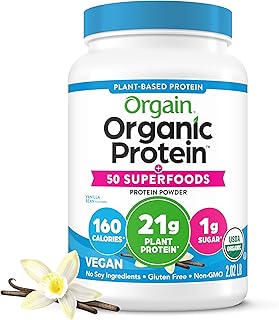 |
$34.15 | ⭐4.6 | 21g protein + prebiotics |
| Dymatize x Fruity Pebbles ISO100 |  |
$42.48 | ⭐4.6 | Fun flavor, 25g isolate |
| Dymatize Super Mass Gainer, Gourmet Vanilla |  |
$39.98 | ⭐4.5 | 52g protein, mass gain |
| Levels Grass Fed Whey, Pure Chocolate 2 lb |  |
$44.99 | ⭐4.5 | No artificials, 24g |
| Vital Proteins Collagen Peptides, Unflavored 9.33 oz |  |
$18.65 | ⭐4.6 | Collagen for joints & skin |
| NAKED Whey Vanilla, 24 serves |  |
$44.99 | ⭐4.1 | Only 3 ingredients |
| Nutricost Whey Concentrate, Chocolate 5 lb |  |
$74.95 | ⭐4.5 | Affordable concentrate |
| Orgain Organic Unflavored, 1.59 lb |  |
$26.99 | ⭐4.3 | Unsweetened vegan |
Frequently Asked Questions (FAQ)
1. How much protein powder should I take per day for muscle gain?
Most trainers recommend 1.6–2.2 grams of protein per kilogram of body weight daily. A standard scoop (25g) after workouts and another with a meal is a solid starting point for most active people.
2. Can I get enough protein without supplements?
Absolutely. Whole foods like chicken, eggs, Greek yogurt, and fish provide excellent protein. Protein powder is a convenient tool, not a requirement. Use it to hit your daily target when you’re short on time.
3. Is plant-based protein as effective as whey for building muscle?
Yes, if you choose a complete protein blend (e.g., pea + rice). Whey is absorbed faster and has a higher leucine content, but plant-based powders can still stimulate muscle growth. Just ensure you’re getting enough total protein per serving.
4. What’s the difference between whey concentrate, isolate, and hydrolysate?
- Concentrate: Contains some fat and carbs, slower digestion, often cheapest.
- Isolate: More processed, higher protein percentage, lower lactose.
- Hydrolysate: Pre‑digested for fastest absorption, least likely to cause bloating.
5. Can protein powder expire?
Yes. Most powders have a shelf life of 12–24 months. After opening, use within 6 months for best freshness. Check the label for "best by" dates and store in a cool, dry place.
6. Should I take protein powder on rest days?
Definitely. Muscle repair continues for 24–48 hours after training. A shake on rest days helps maintain a positive nitrogen balance and supports recovery.
7. Are artificial sweeteners in protein powder safe?
The FDA and most health organizations consider aspartame, sucralose, and acesulfame potassium safe in moderate amounts. If you prefer natural sweeteners, look for stevia, monk fruit, or unsweetened options like Orgain Unflavored.
Final Verdict from the Trainers
There’s no single “best” protein powder—the right choice depends on your dietary needs, budget, and taste preferences. But if we had to pick one for pure performance, Optimum Nutrition Gold Standard remains the most reliable, versatile, and trainer‑recommended option. For those who want a super‑lean isolate, Dymatize ISO 100 is second to none.
Remember, protein powder is a supplement, not a substitute. Build your diet around whole foods, train with intensity, and use these powders to fill the gaps. Your muscles will thank you.
Ready to level up your gains? Click any of the product images above to grab your tub on Amazon, and don’t forget to check out our other guides for a complete fitness roadmap. You’ve got this.