

April 15th looms like a storm cloud for millions of Americans. You scramble for receipts, hunt down W-2s, and pray your refund arrives fast. But what if you flipped the script? What if the real money moves happen before tax season ever begins?
The difference between tax planning and tax filing is the difference between steering a ship and being tossed by waves. One is proactive, strategic, and year-round. The other is reactive, rushed, and often expensive. Let’s break down how you can shift from filing stress to planning success — and keep more of your hard-earned money.
Table of Contents
Why Most People Confuse Filing with Planning
For the average person, “doing taxes” means opening TurboTax in March or handing a shoebox to an accountant. That is tax compliance — reporting what already happened. Tax planning, by contrast, is about shaping what will happen before the calendar flips to January.
Think of it this way: Filing is the report card. Planning is the study schedule. You don’t wait until finals week to start learning, so why wait until April to understand your taxes?
“The best tax strategy is the one you start in January, not December.”
— Anonymous CFO
What Tax Planning Actually Looks Like Year-Round
Tax planning isn’t just for the wealthy or for CPAs. It’s a set of small, consistent actions that reduce your tax bill and boost your savings. Here’s what it involves month by month:
Q1 (Jan–Mar): Set the Foundation
- Adjust your W-4 withholding after any major life change.
- Max out your IRA contribution for the previous year (deadline: April 15).
- Review your investment accounts for tax-loss harvesting opportunities.
Q2 (Apr–Jun): Estimate and Adjust
- Revisit your quarterly estimated tax payments if you’re self-employed.
- Fund your Health Savings Account (HSA) — triple tax advantage.
- Check if you’re on track to hit retirement contribution limits.
Q3 (Jul–Sep): Mid-Year Tune-Up
- Donate appreciated stock instead of cash for a double benefit.
- Consider a Roth conversion if your income is lower this year.
- Review capital gains from stock sales or crypto trades.
Q4 (Oct–Dec): Final Sprint
- Bump up 401(k) contributions to reach the annual max.
- Use a “bunching” strategy for charitable donations.
- Prepay state and local taxes (within SALT limits) if it helps.
Key takeaway: When you file, you only report what you did. When you plan, you decide what to do — and when.
The Cost of Ignoring Tax Planning
A 2023 survey found that nearly 40% of taxpayers overpaid by an average of $1,200 simply because they didn’t optimize their withholdings or deductions. That’s money that could have been invested, saved, or spent on things that matter.
Common mistakes that planning prevents:
- Missing the deadline for IRA contributions (you lose the deduction).
- Harvesting tax losses in the wrong year.
- Triggering the Net Investment Income Tax by not timing capital gains.
- Overlooking credits like the Child Tax Credit or Savers Credit.
Two Books That Will Change How You Think About Taxes and Money
You don’t need a finance degree to master year-round tax planning. You just need the right mindset and a few proven frameworks. Two hugely popular books can help you build that foundation.
Rich Dad Poor Dad: What the Rich Teach Their Kids About Money That the Poor and Middle Class Do Not!
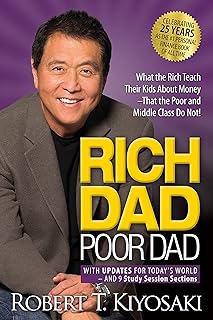
Rich Dad Poor Dad isn’t a tax manual — it’s a mindset shift. Robert Kiyosaki explains why the wealthy focus on assets that produce income, not just salary. That perspective leads you to think about tax efficiency as a core part of building wealth. For example, owning rental properties or dividend stocks can generate income taxed at lower rates. This book will make you ask: Am I working for my money, or is my money working for me — with tax advantages?
The Psychology of Money: Timeless Lessons on Wealth, Greed, and Happiness

Morgan Housel’s masterpiece teaches you that financial success is 20% head knowledge and 80% behavior. That applies directly to tax planning. The best strategy fails if you don’t stick with it. Housel warns against the “compounding” of bad decisions — like ignoring tax implications because they feel boring. This book will help you build the discipline to check in on your tax strategy every quarter, not just once a year.
| Feature | Rich Dad Poor Dad | The Psychology of Money |
|---|---|---|
| Focus | Mindset shift to wealth building | Behavioral finance & long-term thinking |
| Best for | People who want to understand assets vs. liabilities | Anyone struggling to stick with financial habits |
| Tax relevance | Indirect: encourages tax-advantaged income streams | Direct: explains why behavior matters more than knowledge |
| Rating | ⭐ 4.7 (107,400+ reviews) | ⭐ 4.7 (71,600+ reviews) |
| Price | $9.31 | $10.99 |
| Buy now | Buy at Amazon | Buy at Amazon |
How Tax Filing Differs (and Why It Still Matters)
Filing is the annual event. You gather documents, fill out forms, and submit by the deadline. It’s mandatory, but it’s also the result of your planning (or lack thereof). If you planned well, filing becomes a quick confirmation. If you didn’t, it’s a chaotic scramble to salvage deductions.
When to focus on filing:
- You’re a W-2 employee with simple finances (no side gigs, no investments).
- You’ve already done year-round planning and just need to report.
- You want to double-check that your withholdings were correct.
But here’s the trap: Many people treat filing as the only time they think about taxes. That’s like only looking at your bank statement once a year and hoping you didn’t overspend.
3 Easy Ways to Start Tax Planning Tomorrow
You don’t need a binder full of spreadsheets. Start small:
- Set a quarterly tax review date — Put a recurring 30-minute appointment on your calendar for the first week of April, July, October, and January. Use that time to check your withholding, adjust contributions, or review investment gains.
- Automate your retirement contributions — Max out your 401(k) to at least get the full employer match. Then set up automatic transfers to a Roth IRA or Traditional IRA.
- Track your spending categories year-round — Use an app like YNAB or Mint to separate deductible expenses (medical, charitable, business) so you aren’t hunting for receipts in March.
Common Questions About Year-Round Tax Strategy
Do I need a professional for tax planning?
Not necessarily. If your finances are straightforward, you can handle it yourself using books like Rich Dad Poor Dad for mindset and resources like the IRS withholding calculator. But a CPA or Enrolled Agent can help if you own a business, have rental properties, or receive large capital gains.
Can I do tax planning if I get a refund every year?
Absolutely. A big refund means you gave the IRS an interest-free loan. Adjust your W-4 to keep more cash in your pocket throughout the year, then invest or save it. That’s planning in action.
What’s the biggest mistake people make?
Waiting until December to think about taxes. By then, many strategies (like IRA contributions for the year) are locked in. Start planning in January to avoid the panic.
Internal Resources to Deepen Your Tax Knowledge
If you want to master tax planning, our Beginner’s Guide to How Income Taxes Actually Work (Without the Jargon) will demystify brackets and withholdings. Next, check out Common Tax Deductions and Credits Most People Miss. For side hustlers, Tax Strategies for Side Hustlers, Freelancers and Gig Workers is essential. And if you’re comparing deduction methods, read How to Choose Between Standard Deduction and Itemizing?. To prepare for next year, see Smart Moves before Year-end to Reduce Your Tax Bill.
Conclusion: Plan Today, Profit Tomorrow
Tax planning isn’t about being obsessed with the IRS. It’s about taking control of your financial life. When you shift from a once-a-year filing mentality to a year-round planning habit, you stop leaving money on the table. You invest more, stress less, and walk into April with confidence.
Start now. Read a book. Set a calendar reminder. And remember: the best tax return is the one you don’t have to worry about.
Frequently Asked Questions
What is the difference between tax planning and tax filing?
Tax planning is the year-round process of making financial decisions to minimize your tax liability. Tax filing is the annual act of reporting your income and deductions to the IRS. Planning happens before and during the year; filing happens after the year ends.
Can I do tax planning myself without a CPA?
Yes, especially if you have a straightforward W-2 job and few investments. Use free resources like the IRS withholding calculator, read books like The Psychology of Money to build good habits, and track your expenses quarterly. If you have a business or complex investments, consider consulting a professional.
How often should I review my tax strategy?
At least four times per year — once each quarter. Many people also do a quick check after major life events like a marriage, divorce, new job, or birth of a child.
What are the easiest year-round tax moves?
Increase your 401(k) contributions, contribute to an HSA if eligible, and adjust your W-4 withholding. These three actions take less than an hour and can save hundreds or thousands.
Will reading Rich Dad Poor Dad really help me with taxes?
It won’t give you deduction tips, but it will shift your mindset from earning a paycheck to building assets that generate tax-advantaged income. That perspective is worth more than any single tax tip.