
Every time you pull on a shirt, you’re wearing a story—and potentially a chemical cocktail. The fashion industry is one of the largest polluters globally, and a huge part of that footprint comes from the dyes and finishes used to color and treat fabrics. For men who want to look sharp without leaving a trail of toxins, choosing shirts made with low-impact dyes and finishes is a powerful step.
But what exactly are low-impact dyes, and how can you find shirts that use them? This guide breaks down the science, the certifications, and the best shirts for men who care about their chemical footprint. We’ll highlight real products you can buy today—from simple undershirts to breezy linen button-downs—that help you dress better and live cleaner.
Table of Contents
What Are Low‑impact Dyes and Finishes?
Low-impact dyes are synthetic or natural colorants that require less water, energy, and fewer toxic chemicals during application. They also meet strict biodegradability and heavy-metal limits. Finishes include wrinkle-free, stain-resistant, or anti-shrink treatments. Many conventional finishes rely on formaldehyde or perfluorinated chemicals (PFCs). Low-impact alternatives use natural or bio-based solutions, or skip the finish altogether.
Why it matters for men’s shirts:
A typical cotton shirt can absorb up to 2,000 liters of water and hundreds of grams of chemical agents before it reaches your closet. By choosing shirts with low-impact dyes and finishes, you reduce your personal contribution to water pollution, protect your skin from irritants, and support manufacturers who prioritize planet‑friendly processes.
Key Certifications to Look For
When shopping for shirts with a smaller chemical footprint, keep an eye out for these labels:
- GOTS (Global Organic Textile Standard) – Ensures organic fiber and bans toxic dyes and finishes.
- OEKO-TEX Standard 100 – Tests for harmful substances in every component.
- Bluesign – Covers entire production process, including resource efficiency and chemical management.
- Cradle to Cradle – Certifies materials and manufacturing that are safe, circular, and clean.
Even without a label, you can often assume that shirts made from unbleached, undyed, or natural-colored fibers (like raw linen or organic cotton) have lower chemical impacts. Similarly, garments labeled “low-impact dyed” or “non‑toxic finish” are worth a closer look.
Best Shirts for Men: Low‑impact Dyes and Finishes
We’ve curated a selection of shirts that are either made from inherently low‑impact fibers (linen, untreated cotton) or are likely produced with minimized chemical processing. These picks balance style, affordability, and a lighter footprint.
1. COOFANDY Men’s Linen Shirt Short Sleeve

Linen is a low‑impact champion because the flax plant requires few pesticides and little irrigation. This COOFANDY shirt uses 100% linen with a relaxed, untreated finish—meaning no harsh chemical crease‑resistant agents. It’s breathable, biodegradable, and perfect for summer weddings or beach days. At $29.99 with a 4.3‑star rating, it’s an affordable entry into toxin‑conscious fashion.
2. Hanes Men’s Undershirt Packs – Stay‑Tucked Soft Cotton
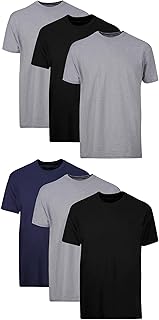
Hanes uses 100% ring‑spun cotton for these undershirts, which typically involves fewer chemical finishes than performance blends. While not certified organic, the simple cotton construction means less dye and no wrinkle‑free formulas. At $17.58 for a multipack (4.5 stars), these are a smart choice for everyday wear that reduces synthetic chemical exposure next to your skin.
3. Gildan Men’s Crew T‑Shirts Multipack (Style G1100)

Gildan’s classic crew neck is made from 100% cotton (preshrunk) and uses basic direct dyes that are less chemically intensive than reactive or specialty dyes. The multipack gives you several shirts for $18.89, and the high 4.6 rating speaks to its consistent quality. Look for the “preshrunk” finish—it typically uses a simple heat‑set process rather than heavy resin treatments.
4. JMIERR Mens Casual Polo Shirt

This polo is a cotton‑blend knit with a textured finish. While blends often require more chemistry, the absence of wrinkle‑free or stain‑guard claims suggests a simpler finishing process. At $14.99 with a 4.5‑star rating, it’s a budget‑friendly way to dress up without heavy chemical additives. Pair it with responsibly made chinos for a clean, low‑impact outfit.
Comparison Table: Best Low‑Impact Shirts for Men
| Product | Image | Key Features | Price | Rating | Buy Now |
|---|---|---|---|---|---|
| COOFANDY Linen Shirt | |
100% linen, untreated, breathable | $29.99 | 4.3 | Buy on Amazon |
| Hanes Undershirt Pack | |
100% ring‑spun cotton, no wrinkle finish | $17.58 | 4.5 | Buy on Amazon |
| Gildan Crew T‑Shirt Multipack | |
100% preshrunk cotton, basic dye | $18.89 | 4.6 | Buy on Amazon |
| JMIERR Casual Polo | |
Cotton‑blend knit, simple finish | $14.99 | 4.5 | Buy on Amazon |
Tips for Choosing Shirts with a Lower Chemical Footprint
- Pick natural fibers first: Linen, hemp, organic cotton, and Tencel require fewer agricultural chemicals and often less processing.
- Avoid “wrinkle‑free” and “stain‑guard” claims unless certified: These usually involve formaldehyde or PFCs. Instead, embrace natural wrinkles—they add character.
- Look for low‑impact dye certifications: GOTS, OEKO‑TEX, or Bluesign are the gold standard. If you can’t find a label, ask the brand.
- Buy undyed or unbleached options: The absence of dye eliminates the chemical footprint entirely. White or naturally colored shirts are often the cleanest.
- Wash with care: Even low‑impact dyes can shed chemicals if you use harsh detergents. Cold water and eco‑friendly soap keep your shirt’s footprint small.
Learn more about eco‑conscious materials in our guide to Best Shirts for Men Made with Organic Cotton: Soft, Clean and Eco‑conscious Picks, or dive into Certified Green: Best Shirts for Men with Recognized Eco Labels and Standards. For a broader wardrobe strategy, check out Capsule Wardrobe: Best Shirts for Men Building a Minimal, Sustainable Closet.
Frequently Asked Questions
What are low‑impact dyes, and how do they differ from conventional dyes?
Low-impact dyes are formulated to require less water and energy during application, and they meet strict limits on heavy metals, chlorine, and other toxic substances. Conventional dyes often release harmful effluents into waterways, whereas low‑impact options are designed for biodegradability and reduced pollution.
Are linen shirts automatically free from chemical finishes?
Not always, but linen is typically processed with fewer chemicals than cotton. Many linen shirts are left untreated or only washed with mild soaps. Always check the care label or product description—if it says “stone washed” or “bleached,” some chemicals were used. Untreated linen is your best bet.
Can I trust “wrinkle‑free” shirts if they’re labeled organic?
“Wrinkle‑free” almost always involves a chemical resin, even on organic cotton. Organic certification covers fiber production, not finishing. If a shirt claims both organic and wrinkle‑free, look for additional certifications like OEKO‑TEX or Bluesign that verify the finish is safe.
How do I verify a shirt’s chemical footprint?
Start with the brand’s sustainability page or the product’s material breakdown. Look for explicit mentions of low‑impact dyes, GOTS certification, or OEKO‑TEX Standard 100. If in doubt, choose simple, unbleached, or undyed shirts—they almost always have a smaller chemical footprint.
For deeper insights, explore How to Read Eco Claims: Best Shirts for Men That Are Truly Sustainable vs Greenwashed?
Choosing shirts with low‑impact dyes and finishes doesn’t mean sacrificing style or budget. By opting for untreated linen, simple cotton, and certified materials, you reduce your chemical footprint while looking great. Start with the picks above, then expand your wardrobe with pieces that respect both your skin and the planet. For more on sustainable menswear, read Durability Matters: Best Shirts for Men That Last Longer and Reduce Waste or explore Vegan‑friendly Fashion: Best Shirts for Men Avoiding Animal‑derived Materials.