
Building strong character in students is one of the most rewarding challenges a teacher can take on. A habits of character anchor chart turns abstract traits like respect, responsibility, and perseverance into tangible, visual reminders that shape daily behavior. Just as a consistent routine with a high-quality protein powder like Optimum Nutrition Gold Standard Whey fuels your energy to lead a classroom, a well-designed anchor chart fuels your students' social-emotional growth.
This guide will walk you through every step—from identifying core character habits to designing a chart that sticks. Whether you're a new teacher or a seasoned educator looking to refresh your approach, you'll leave with actionable strategies, real-world examples, and the confidence to create a chart that transforms your classroom culture.
Table of Contents
What Is a Habits of Character Anchor Chart?
A habits of character anchor chart is a large, visually engaging poster co-created with your students. It lists key character attributes—such as honesty, kindness, grit, and self-control—and often includes definitions, examples, or student-generated action steps. Unlike a static poster, an anchor chart is a living document: you add to it, refer to it during lessons, and update it as your class grows.
These charts do more than decorate walls. They:
- Provide a shared language for discussing behavior
- Reinforce positive social and emotional learning (SEL)
- Empower students to self-regulate
- Create a sense of ownership and community
For more on integrating these charts into daily lessons, see our guide on Using a Habits of Character Anchor Chart to Teach Social Skills.
Step 1: Identify the Core Character Habits
Before you pick up a marker, decide which traits matter most for your classroom. Start with 5–7 habits that align with your school’s mission or grade-level expectations. Common examples include:
| Habit | Simple Definition | Student-Friendly Example |
|---|---|---|
| Respect | Treating others the way you want to be treated | Listening when someone speaks |
| Responsibility | Owning your actions and tasks | Completing homework on time |
| Perseverance | Never giving up, even when things get hard | Trying a math problem again after a mistake |
| Kindness | Showing care for others | Helping a friend who dropped books |
| Integrity | Doing the right thing even when no one is watching | Returning a found pen to its owner |
| Self-Control | Managing your emotions and actions | Taking a deep breath before reacting |
| Gratitude | Appreciating what you have and what others do | Saying “thank you” sincerely |
Involve your students in this selection. Ask, “What kind of classroom do we want to build?” Their input builds buy-in and relevance.
Step 2: Gather Materials and Plan Your Design
You don’t need fancy supplies. A large piece of chart paper, colorful markers, sticky notes, and a clear workspace are sufficient. But if you want a polished, durable chart, consider:
- Poster board or butcher paper
- Laminated sheets for longevity
- Velcro or magnetic strips to rearrange elements
- Printable templates (check out our Printable Habits of Character Anchor Chart Free Download for a ready-made starting point)
Design tips:
- Use a clear, large font that students can read from across the room.
- Limit color palette to 3–4 complementary colors to avoid visual clutter.
- Include icons or simple drawings next to each trait (e.g., a handshake for respect, a brain for perseverance).
- Leave blank space for student notes and examples added over time.
Step 3: Co-Create the Chart with Your Students
The magic happens when students take ownership. Here’s a step-by-step process:
1. Introduce the concept
Gather the class and say, “We’re going to make a map of the habits that help us be our best selves. This will be our guide all year.”
2. Brainstorm together
Ask students to call out character traits they admire. Write all ideas on the board. Then narrow down to your core list through discussion or a vote.
3. Define each habit in student language
For each trait, ask, “What does respect look like in our classroom?” or “How do we show perseverance during reading time?” Record their exact words.
4. Add examples and non-examples
Create two columns: “Looks Like” and “Doesn’t Look Like.” This clarifies expectations. For example, under “Responsibility”:
- Looks Like: Bringing supplies to class, turning in work on time
- Doesn’t Look Like: Blaming others, forgetting homework
5. Make it visual
Let students design small icons or choose emojis for each habit. Give each student a sticky note to write one personal goal related to a habit—attach those notes to the chart.
6. Hang it prominently
Place the chart where everyone sees it daily. Refer to it during morning meetings, after recess, and before group work.
Step 4: Integrate the Chart into Daily Routines
A chart left untouched becomes wallpaper. Use it actively:
- Morning check-in: Point to a habit and ask, “How will you show kindness today?”
- Conflict resolution: When a dispute arises, walk to the chart and ask, “Which habit could help here?”
- Celebration: When a student demonstrates a habit, add a star or sticker next to that trait.
- Reflection: End the day by having students share one habit they practiced.
Consistency is key. Over time, students internalize the language and begin applying habits without prompting.
Step 5: Revise and Refresh Throughout the Year
Character development isn’t static. As your class evolves, update the chart:
- Add new habits that emerge (e.g., “flexibility” during a challenging group project).
- Remove or combine traits that no longer resonate.
- Replace student examples with more sophisticated ones as understanding deepens.
- Involve students in redesigning the chart mid-year for a fresh start.
Think of your anchor chart like a protein powder you rely on for ongoing energy—it needs to adapt to your changing needs. For example, a Dymatize ISO 100 Whey Protein Isolate adjusts to your fitness goals, just as your chart adjusts to your classroom’s growth.
Expert Insights: What Teachers Wish They Knew
We spoke with veteran educators who have refined their anchor chart process over years. Here’s their advice:
- Keep it simple: “I used to cram 12 traits onto one chart. It was overwhelming. Now I stick to six and rotate them.” – Maria, 3rd grade teacher
- Embed in curriculum: Tie habits to books, history, and science. When studying Martin Luther King Jr., discuss courage. When learning about ecosystems, highlight cooperation.
- Model the habits yourself: If you want respect, show respect. If you want perseverance, talk about your own challenges.
- Use data to track impact: Note decreases in office referrals or increases in peer compliments after implementing the chart. Share that with your class to motivate them.
How Protein Powder Supports Your Teaching Energy
Creating and maintaining a vibrant classroom culture takes immense energy. Teachers often run on low fuel—rushing from lesson to lesson, grading at night, and managing emotional demands. Just as you invest in a habits of character anchor chart to support your students, invest in your own physical foundation with quality nutrition.
Protein powder is a convenient, effective way to sustain energy, repair muscle after standing all day, and keep your mind sharp. The products below offer clean ingredients, great taste, and proven results. They’re the perfect complement to a teacher’s busy lifestyle.
Top Protein Powders for Teachers Who Want to Stay Energized
We’ve curated a list of highly rated protein powders that align with different needs—whether you prefer whey, plant-based, or collagen, there’s an option here for you. All products have strong ratings and are readily available on Amazon.
Product Comparison Table
| Product | Protein per Serving | Price | Rating | Best For |
|---|---|---|---|---|
| Optimum Nutrition Gold Standard Whey (Double Rich Chocolate 1.98 lb) | 24g | $44.99 | 4.6 | All-around quality, great taste |
| Optimum Nutrition Gold Standard Whey (Vanilla Ice Cream 5 lb) | 24g | $79.99 | 4.7 | Value size, long-lasting |
| Premier Protein Powder (Chocolate Milkshake) | 30g | $25.97 | 4.6 | Low sugar, high protein |
| Orgain Organic Vegan Protein Powder (Vanilla Bean) | 21g | $31.52 | 4.5 | Plant-based, dairy-free |
| Dymatize ISO 100 Whey Protein Isolate (Vanilla 5 lb) | 25g | $108.99 | 4.7 | Lean muscle, low carb |
| Transparent Labs Grass-Fed Whey Protein Isolate (French Vanilla) | 28g | $59.99 | 4.5 | Clean ingredients, no artificials |
| Body Fortress Super Advanced Whey Protein (Vanilla 3.9 lb) | 30g | $45.28 | 4.6 | Immune support with vitamins |
| Six Star Whey Protein Plus (Triple Chocolate) | 30g | $24.97 | 4.5 | Budget-friendly, muscle gain |
| Isopure Zero Carb Whey Isolate (Unflavored 3 lb) | 25g | $89.95 | 4.4 | Zero carbs, versatile |
| Dymatize Elite 100% Whey (Rich Chocolate 5 lb) | 25g | $76.18 | 4.6 | Quick absorbing, recovery |
| Orgain Organic Vegan Protein + 50 Superfoods (Vanilla Bean) | 21g | $34.15 | 4.6 | Added superfoods, plant-based |
| Dymatize ISO 100 (Fruity Pebbles) | 25g | $42.48 | 4.6 | Fun flavor, high quality |
| Dymatize Super Mass Gainer (Gourmet Vanilla) | 52g | $39.98 | 4.5 | High calorie, mass gain |
| Levels Grass Fed Whey Protein (Pure Chocolate 2 lb) | 24g | $44.99 | 4.5 | Grass-fed, no artificials |
| Vital Proteins Collagen Peptides (Unflavored 9.33 oz) | 9g | $18.65 | 4.6 | Skin, hair, joint support |
| Naked Whey Vanilla Protein Powder | 25g | $44.99 | 4.1 | Only 3 ingredients |
| Nutricost Whey Protein Concentrate (Chocolate 5 lb) | 26g | $74.95 | 4.5 | Pure concentrate, good price |
| Orgain Organic Unflavored Vegan Protein Powder | 21g | $26.99 | 4.3 | Unsweetened, versatile |
Product Highlights (with Clickable Images)
1. Optimum Nutrition Gold Standard 100% Whey Protein Powder, Double Rich Chocolate 1.98 Pound

This is the most trusted protein powder on the market. With 24g of whey protein blend, 5.5g of BCAAs, and only 1g of fat and sugar per serving, it’s ideal for teachers who need a quick, reliable shake before school or after a workout. The Double Rich Chocolate flavor is a fan favorite.
2. Premier Protein Powder, Chocolate Milkshake, 30g Protein

With 30g of protein and only 1g of sugar, Premier Protein is a top choice for low-carb lifestyles. It’s also gluten-free and contains no soy. One scoop mixes smoothly into water, milk, or a morning smoothie—perfect for busy mornings.
3. Orgain Organic Vegan Protein Powder, Vanilla Bean

Plant-based teachers, this one’s for you. Orgain delivers 21g of organic plant protein plus 6g of prebiotic fiber. It’s free from dairy, lactose, soy, and GMOs. The Vanilla Bean flavor is subtly sweet without added sugar, making it a versatile base for recipes.
4. Dymatize ISO 100 Whey Protein Isolate, Vanilla 5 Pound

If you want the purest form of protein with minimal carbs and fat, Dymatize ISO 100 is unmatched. Each serving offers 25g of hydrolyzed whey isolate, 5.5g of BCAAs, and only 120 calories. It’s clinically proven to be fast-digesting and perfect for post-workout recovery.
5. Transparent Labs Grass-Fed Whey Protein Isolate, French Vanilla
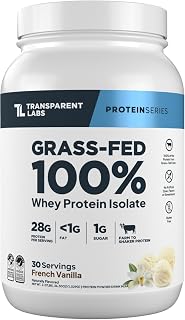
Transparent Labs prides itself on clean, fully disclosed ingredients. This grass-fed whey isolate contains 28g of protein, is naturally flavored, and has no artificial sweeteners. The French Vanilla taste is creamy without being overpowering.
6. Body Fortress Super Advanced Whey Protein Powder, Vanilla 3.9 lb

This whey powder stands out for its immune-supporting blend of vitamins C and D plus zinc. Each serving delivers 30g of protein. It’s a solid, affordable option for teachers who want both muscle support and daily wellness.
7. Six Star Whey Protein Plus, Triple Chocolate

With 30g of protein and a triple chocolate flavor that tastes like dessert, this powder is both effective and enjoyable. It includes whey isolate and peptides for lean muscle gain, all at a budget-friendly price.
8. Isopure Zero Carb Whey Isolate, Unflavored 3 lb

Perfect for those who want to add protein to recipes without changing the flavor. Isopure Zero Carb provides 25g of pure whey isolate with zero carbs, zero fat, and only 110 calories per serving. It’s also gluten-free and rich in vitamins.
Frequently Asked Questions
Q: How often should I update my habits of character anchor chart?
A: Update the chart at least once per quarter. If you notice a new social need emerging (like teamwork during group projects), add it sooner. Involve students in revisions for deeper engagement.
Q: Can I use a habits of character anchor chart for early elementary grades?
A: Absolutely. Simplify the language. Use pictures and icons. For kindergarten, focus on one habit per week and illustrate with photos of students demonstrating it.
Q: What’s the best way to introduce a new habit mid-year?
A: Start with a read-aloud that highlights the habit. Then discuss as a class, add it to the chart, and have students act out examples. Refer back to the new habit during the day to reinforce it.
Q: How can I hold students accountable to the habits listed?
A: Use positive reinforcement—praise when you see a habit in action. You can also create a “habit tracker” with small goals tied to specific traits. Avoid using the chart for punishment; keep it aspirational.
Q: Is protein powder safe for teachers to use daily?
A: Yes, when chosen from reputable brands and used as directed. Whey and plant-based protein powders are generally safe for adults. Consult your doctor if you have kidney concerns or allergies.
Your classroom culture is a living thing, shaped by the habits you name, model, and celebrate. A habits of character anchor chart is one of the most effective tools to make abstract values visible and actionable. Start with a few core traits, co-create with your students, and watch the language of character become second nature.
And while you nurture their growth, don’t forget to fuel your own. A consistent protein powder routine—like a scoop of Optimum Nutrition Gold Standard Whey Vanilla Ice Cream 5 lb—can give you the physical energy to bring your best self to the classroom every day. Both the chart and the shake are small investments that yield big returns in resilience, focus, and well-being.
Now grab your markers, gather your students, and build a chart that will guide your classroom toward a year of extraordinary growth.