
If you’ve ever searched for self discipline Nepali meaning, you’re probably looking for more than just a translation. You want to understand the real essence of this concept and how it applies to your daily life in Nepal. The Nepali term is आत्म-अनुशासन (aatma-anushaasan). But words alone don’t build habits. What truly matters is how you live it.
In this guide, we’ll break down the self discipline Nepali meaning in a way that feels practical, not preachy. You’ll get real examples from Nepali life, clear explanations of what it is not, and a look at some of the best resources to help you strengthen your willpower. Let’s dive in.
Table of Contents
What Is the Self Discipline Nepali Meaning?
Let’s start with the literal translation. Self discipline in Nepali is आत्म-अनुशासन – a combination of aatma (self) and anushaasan (discipline or strict rule). It means the ability to control your own actions, emotions, and desires in order to achieve a greater goal.
But here’s the catch: the self discipline Nepali meaning goes deeper than just “control.” It’s about choosing what’s best for you in the long run over what feels easy right now. In a country where distractions like social media, endless chiya gatherings, and tempting street food are everywhere, mastering this concept is a game-changer.
To put it simply, आत्म-अनुशासन is the bridge between your intentions and your results. Without it, even the best plans fall apart.
Everyday Examples of Self Discipline in Nepali Life
You don’t need to become a monk or a military general to practice self discipline. It shows up in small, ordinary moments. Here are some everyday examples that resonate with the Nepali context:
- Waking up early for puja or exercise – Choosing to get out of bed when your phone says 5:30 AM instead of hitting snooze.
- Studying instead of scrolling – Turning off YouTube or TikTok to prepare for your exams or learn a new skill.
- Saving money – Resisting the urge to buy that new jacket and putting the cash into your savings instead.
- Saying no to extra momo or alcohol – Even when friends urge you to have “just one more plate.”
- Practicing patience – Not snapping at your family when you’re tired, choosing calm words instead.
Each of these moments is a small victory of self discipline in Nepali understanding. Over time, those small wins stack up and transform your life.
Common Misunderstandings About Self Discipline
Many people get the self discipline nepali meaning wrong. They associate it with punishment, rigidity, or misery. Let’s clear up the biggest myths.
1. Self Discipline Is Not Punishment
Some think आत्म-अनुशासन means depriving yourself of happiness. That’s a huge mistake. Real discipline is about choosing your future happiness over immediate pleasure. It’s not about suffering; it’s about freedom. For example, skipping a late-night movie to sleep well isn’t punishment – it’s self-care.
2. It’s Not for Monks and Saints Only
You don’t have to live in a cave to be disciplined. Ordinary people in Kathmandu, Pokhara, or your own village practice it daily. The student who studies daily, the entrepreneur who tracks expenses, the homemaker who sticks to a budget – they’re all living examples of self discipline in Nepali life.
3. It’s Not About Never Failing
Another myth is that disciplined people never slip up. That’s false. Everyone has weak days. The difference is they get back on track quickly. They don’t let one bad day undo weeks of progress. As the saying goes: “Discipline is consistency, not perfection.”
4. It’s Not the Same as Being Strict or Harsh
Some people confuse discipline with being hard on themselves or others. True self discipline comes from a place of self-respect, not self-criticism. You set rules because you care about your future, not because you hate yourself.
Why Self Discipline Matters for Your Success
The self discipline nepali meaning becomes crystal clear when you see its impact. Without it, talent means little. With it, average abilities can produce extraordinary results.
Consider this: the most successful people in Nepal – from entrepreneurs to athletes to artists – all share one trait. They can do what needs to be done, even when they don’t feel like it. That’s the core of आत्म-अनुशासन.
Books like Atomic Habits by James Clear and No Excuses! by Brian Tracy have sold millions because they explain how to build this muscle. According to Amazon, Atomic Habits has a 4.8 rating from over 148,000 reviews. That’s because it works.

Similarly, No Excuses!: The Power of Self-Discipline is a classic that sells for just $8.66 and holds a 4.7 rating. For anyone wanting a practical guide, this is a solid start.

These books reinforce the same truth: self discipline in Nepali life is not a luxury – it’s a necessity for growth.
Top Books to Build Self Discipline (with Amazon Links)
Here are some of the best books available on Amazon to help you master आत्म-अनुशासन. Each one offers practical strategies, not just theory.
1. No Excuses!: The Power of Self-Discipline – Brian Tracy
- Price: $8.66 | Rating: 4.7
- Brian Tracy breaks down discipline into actionable steps. Covers goal setting, time management, and personal responsibility.
2. Atomic Habits: An Easy & Proven Way to Build Good Habits & Break Bad Ones – James Clear
- Price: $0.00 (audiobook) | Rating: 4.8
- Focuses on small changes that lead to remarkable results. The best book on habit formation.
3. Discipline Equals Freedom: Field Manual – Jocko Willink
- Price: $12.93 | Rating: 4.7
- A no-nonsense, military-style approach. Short chapters that hit hard and motivate action.
4. The Mountain Is You: Transforming Self-Sabotage into Self-Mastery – Brianna Wiest
- Price: $0.00 (audiobook) | Rating: 4.7
- Addresses the inner obstacles that block discipline. Great for emotional and psychological insights.
5. Digital Self-Discipline: Break Free from Dopamine’s Snare – Isaac Montgomery
- Price: $12.99 | Rating: 4.8
- Perfect for the modern age. Tackles phone addiction, social media habits, and digital distractions.


Comparison Table: Best Self-Discipline Books
To help you decide which book fits your needs, here’s a comparison of the top choices.
| Product | Image | Price | Rating | Key Focus | Buy at Amazon |
|---|---|---|---|---|---|
| No Excuses! by Brian Tracy | |
$8.66 | 4.7 | Practical daily discipline | Buy Now |
| Atomic Habits by James Clear | |
Free (audible) | 4.8 | Habit building | Buy Now |
| Discipline Equals Freedom by Jocko Willink | |
$12.93 | 4.7 | Stoic action mindset | Buy Now |
| The Mountain Is You by Brianna Wiest | |
Free (audible) | 4.7 | Overcoming self-sabotage | Buy Now |
| Digital Self-Discipline by Isaac Montgomery | 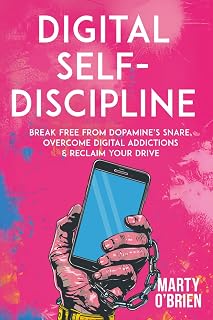 |
$12.99 | 4.8 | Digital addiction | Buy Now |
This table gives you a quick overview. Pick the one that resonates with your biggest struggle.
Journaling and Self-Discipline: The Power of "Note to Self"
One overlooked tool for building self discipline in Nepali daily life is journaling. When you write down your goals and thoughts, you create accountability. The book Note to Self: The Discipline of Preaching to Yourself by Joe Thorn explores this idea from a practical and spiritual angle. It’s a short but powerful read at $14.99 with a 4.6 rating.

The concept is simple: talk to yourself, not listen to yourself. Use affirmations and reminders to stay on track. In a world full of noise, writing your own script helps you stay disciplined.
Digital Self-Discipline in the Modern Age
We live in the age of distraction. Your phone, social media, and streaming platforms are designed to steal your attention. That’s why digital self-discipline has become a critical part of the self discipline nepali meaning for today.
The book Digital Self-Discipline: Break Free from Dopamine’s Snare, Overcome Digital Addictions & Reclaim Your Drive (4.8 rating, $12.99) provides concrete steps to reduce screen time, stop doomscrolling, and focus on what matters.
If you spend hours on your phone without realizing it, this book is a must-read.
Building Self Discipline: 5-Minute Exercises
You don’t need hours to train your discipline. The book The Power of Self-Discipline: 5-Minute Exercises to Build Self-Control, Good Habits, and Keep Going When You Want to Give Up (4.4 rating, free with Audible) offers short, effective workouts for your willpower.
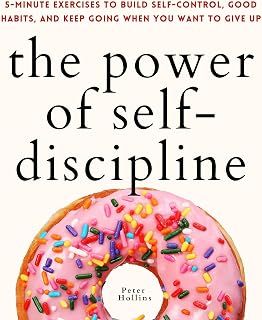
These exercises are perfect for busy Nepali professionals and students. Little habits like a 5-minute morning routine or a quick evening reflection can rewire your brain for consistency.
FAQ on Self Discipline Nepali Meaning
What is the exact self discipline Nepali meaning?
It is आत्म-अनुशासन (aatma-anushaasan). It means self-control and the ability to stick to your goals despite temptations and distractions.
How is self discipline different from punishment in Nepali culture?
Punishment is forced from outside; self discipline comes from within. आत्म-अनुशासन is about empowering yourself, not suffering.
Can you give an example of self discipline in a Nepali student’s life?
A student who studies for two hours every evening instead of playing video games or watching movies is practicing आत्म-अनुशासन. They sacrifice short-term fun for long-term success.
Is self discipline the same as willpower?
No. Willpower is like a muscle that gets tired. Self discipline is a system of habits and routines that reduce the need for willpower. Books like Atomic Habits explain this brilliantly.
What are the common misconceptions about self discipline in Nepal?
Many believe it’s only for strict, unhappy people, or that it means never having fun. In reality, self disciplined people enjoy life more because they have control over their choices.
How can I build self discipline if I keep failing?
Start very small. Use the 5-minute exercise approach. Read a book like No Excuses! or The Mountain Is You for strategies. Failure is part of the process – just don’t quit.
Remember, the self discipline nepali meaning is not a distant ideal. It lives in your everyday choices – the moment you say “yes” to your future and “no” to the easy path. Start where you are. Use the books and tips shared here as your guide. आत्म-अनुशासन is your greatest ally.