
Ever wonder what the self-discipline kanji actually stands for? If you’ve seen Japanese characters tattooed on someone’s arm or printed in a calligraphy scroll and thought, “That looks cool, but what does it really mean?” — you’re not alone. The characters for self-discipline in Japanese are more than just stylish symbols. They carry a deep philosophy about control, willpower, and mastering your own mind.
Let’s break down the self-discipline kanji, character by character. We’ll explore its literal meaning, how it’s used in everyday Japanese, and why this ancient concept matters more than ever for building a stronger, more focused life.
Table of Contents
The Meaning of Self-Discipline in Kanji
The most common phrase for self-discipline in Japanese is 自己規律 (jiko kiritsu). But you’ll also see 克己心 (kokki shin) — literally “conquer the self mind” — or 自己鍛錬 (jiko tanren), which means “self-tempering” like a blacksmith forging steel.
Each version carries a slightly different nuance. For example, jiko kiritsu emphasizes regulation and rules, while kokki shin focuses on the inner battle against your weaker impulses. Both point to the same core idea: you are your own toughest opponent, and the only way to win is through daily discipline.
If you’re looking to deepen your practice of self-control, the best place to start is by understanding the symbols themselves. That’s where the self-discipline kanji becomes a powerful mental anchor.

One book that captures this warrior mindset perfectly is Discipline Equals Freedom by Jocko Willink. It’s a field manual for building unbreakable self-control.
Character Breakdown of Self-Discipline Kanji
Let’s dissect the most common form: 自己規律 (jiko kiritsu). Each character tells part of the story.
自 (self) — 6 strokes
This character looks like a nose from the front view. In ancient Chinese, people pointed to their nose when referring to themselves. Today, it means “self” or “one’s own.” It’s the starting point — you can’t discipline anyone else until you discipline yourself.
己 (self) — 3 strokes
己 is a simpler character for “self.” It represents the individual ego, the personality you identify with. Combined with 自, the pair 自己 means “oneself” — not just your body but your entire identity.
規 (rule, measure) — 11 strokes
規 is made of two parts: 夫 (husband/man) and 見 (see). Together, they suggest a man observing a standard or measuring something. It conveys the idea of a compass, a guide, or a regulation. Discipline requires a standard to measure against.
律 (law, regulation, rhythm) — 9 strokes
律 includes 彳 (step) and 聿 (brush). It originally meant a row of soldiers marching in rhythm, or the laws that keep society in order. In this context, it’s the steady beat of consistency — doing the right thing over and over until it becomes second nature.
Put it together: 自己規律 = “self + self + rule + law” = “self-regulation.” It’s about being your own lawmaker, your own enforcer, and your own rhythm keeper.
Alternative: 克己心 (kokki shin) — Victorious self mind
- 克 (overcome, conquer) — 7 strokes. Shows a person carrying a burden and succeeding.
- 己 (self) — the same as above.
- 心 (heart/mind) — 4 strokes. The seat of emotion and intention.
This version is more aggressive. It’s about conquering your own heart. In samurai culture, this was the ultimate form of discipline: mastering fear, anger, and desire.
Comparison of Common Self-Discipline Kanji Phrases
| Phrase | Kanji | Literal Meaning | Tone | Best For |
|---|---|---|---|---|
| 自己規律 | 自己規律 | Self‑regulation | Neutral, systematic | Habit formation, routines |
| 克己心 | 克己心 | Conquer self mind | Warrior, aggressive | Overcoming addiction, willpower |
| 自己鍛錬 | 自己鍛錬 | Self‑tempering | Forge, strengthen | Physical training, skill mastery |
How Self-Discipline Kanji Is Used in Japanese Culture
You might see 自己規律 in corporate training manuals or self-help books in Japan. It’s a buzzword in productivity circles. But the deeper concept of kokki (克己) appears in martial arts dojos and Zen temples.
In Japanese philosophy, true strength isn’t about dominating others. It’s about dominating your own weaknesses. That’s why the self-discipline kanji is often written in bold calligraphy and hung in homes and offices as a daily reminder.
Real‑life example
A friend of mine who studied karate in Osaka had a scroll above the dojo entrance that read 克己心. The sensei would tell students: “Before you learn to punch, learn to control your mind. The fight is always inside first.”
This idea aligns perfectly with modern self-discipline research. Psychologists like Roy Baumeister have shown that willpower is like a muscle — you can train it with small, consistent actions.
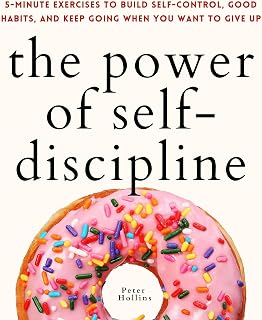
If you want practical exercises to build that mental muscle, check out The Power of Self-Discipline: 5-Minute Exercises. It gives you tiny daily drills that actually work.
Applying the Philosophy to Your Life
Understanding the self-discipline kanji is one thing. Living it is another. Here’s how to channel the spirit of those characters into your daily grind.
1. Set your own law (規)
Without a clear standard, discipline is just punishment. Write down the rules you choose to follow. For example: “I will read 10 pages of a book every morning before checking my phone.”
The character 規 reminds you to measure your progress. Use a habit tracker.
2. March to your own rhythm (律)
Discipline isn’t about being rigid all the time. It’s about finding a sustainable pace. The 律 character includes the idea of rhythm — consistency beats intensity over the long haul.
3. Conquer your mind daily (克己)
The tougher version, kokki, requires you to face discomfort on purpose. Take cold showers. Wake up early. Say no to junk food. Each small victory strengthens your self‑command.
4. Forge yourself like steel (鍛錬)
Jiko tanren literally means “self‑tempering.” A blacksmith heats and hammers metal repeatedly. You should treat your character the same way. Every time you do the hard thing, you become harder.
5. Use a physical reminder
Write the self-discipline kanji on a sticky note, set it as your phone wallpaper, or get a tattoo (if you’re brave). Every time you see it, you’ll remember: “I am my own ruler.”

For a deep dive into ancient Stoic principles blended with modern psychology, grab a copy of Stoic Self-Discipline. It’s packed with 33 ancient secrets for building mental toughness.
Recommended Resources for Building Self-Discipline
Books and tools can accelerate your progress. Below are some of the highest‑rated self-discipline books Amazon has to offer.
| Product | Price | Rating | Key Focus | Buy at Amazon |
|---|---|---|---|---|
|
$0.00 | 4.4 | 5‑minute exercises, habit building | View on Amazon |
|
$12.93 | 4.7 | Warrior mindset, daily discipline | View on Amazon |
|
$19.99 | 4.7 | Stoic philosophy, mental toughness | View on Amazon |
 |
$12.99 | 4.8 | Overcoming digital addiction | View on Amazon |
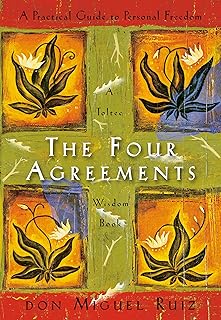 |
$7.05 | 4.7 | Personal freedom, inner peace | View on Amazon |
 |
$0.00 | 4.7 | Mindfulness + discipline | View on Amazon |
Each of these books approaches self-discipline from a unique angle. Whether you prefer stoicism, mindfulness, or practical exercises, there’s something here that will speak to you.
FAQ About the Self-Discipline Kanji
What is the correct kanji for self-discipline?
The most common phrase is 自己規律 (jiko kiritsu). However, 克己心 (kokki shin) and 自己鍛錬 (jiko tanren) are also used. The best one depends on the context. For everyday self‑regulation, use 自己規律. For conquering addictions or building extreme mental toughness, 克己心 is stronger.
How do you pronounce self-discipline in Japanese?
- 自己規律 is pronounced jiko kiritsu.
- 克己心 is pronounced kokki shin.
- 自己鍛錬 is pronounced jiko tanren.
Can I use the self-discipline kanji as a tattoo?
Yes, but be careful. Tattoos are permanent, so make sure you understand the meaning deeply. Many people choose 克己心 because it looks bold and carries a warrior spirit. Others prefer 自己規律 for a more balanced vibe. Always check with a native speaker before inking anything.
Does the self-discipline kanji appear in popular Japanese media?
Absolutely. You’ll find 克己心 in martial arts manga like Vagabond or Kengan Ashura. The character 自律 (jiritsu), meaning self‑discipline/autonomy, also shows up in workplace dramas. It’s a theme woven into Japanese storytelling.
How is the self-discipline kanji different from the Chinese character?
Traditional Chinese uses the same characters (traditional: 自我紀律, simplified: 自我纪律) but the pronunciation and nuance differ slightly. In Chinese, it leans more towards “self-discipline” as a social rule. The Japanese version, especially 克己心, has a stronger philosophical bent.
How long does it take to develop true self-discipline?
There’s no magic number, but many people see real change after 60 to 90 days of consistent practice. The self-discipline kanji teaches that it’s a lifelong process of forging and refining — like a blade that never stops being sharpened.
What books on self-discipline should I start with?
Start with No Excuses! The Power of Self‑Discipline by Brian Tracy — it’s a classic. Then move to Atomic Habits by James Clear for the system. And if you want the kanji philosophy in action, read Discipline Equals Freedom.
Final Thoughts: The Power Behind the Self-Discipline Kanji
The self-discipline kanji isn’t just a collection of strokes. It’s a philosophy in picture form. Every time you write 自己規律, you remind yourself that you are the ruler of your own actions. When you write 克己心, you declare war on your weakest impulses.
This ancient wisdom meets modern science in the books and resources we’ve shared. Don’t just admire the characters — live them. Start with one small act of discipline today. Your future self will thank you.
Remember: the kanji for self‑discipline is beautiful, but the real masterpiece is the life you build by practicing it every single day.
Now go pick up a marker, write the characters on your mirror, and get to work. The forge is waiting.