
If you have a six-year-old, you already know the drill. One minute they are calmly building a Lego tower, and the next they are on the floor in a full meltdown because a block fell off. You wonder if they will ever learn to handle disappointment without losing it.
The good news is that self regulation 6 year old children are at a perfect age to learn coping tools. Their brains are developing fast, and with the right guidance, they can build the self-discipline needed to handle frustration, transitions, and impulses. This article will give you practical, evidence-based strategies to help your child grow into a more resilient, calm, and focused person.
Let’s get into what self-regulation really looks like at this age, and how you can teach it without turning your home into a boot camp.
Table of Contents
What Self Regulation Means for a 6 Year Old
Self-regulation is the ability to manage emotions, thoughts, and behaviors in the face of triggers. For a six-year-old, that means staying calm when a game gets hard, waiting patiently for a turn, and controlling the urge to grab a toy from a friend.
This skill is the foundation of self-discipline. Without it, children rely solely on external rules and adult reminders. With it, they develop inner control and can make smarter choices even when no one is watching.
At age six, most children can understand simple cause and effect. They can also follow two-step directions and remember rules. However, their prefrontal cortex (the part of the brain that manages impulses) is still under construction. That is why they need structured support and plenty of practice.
Why Self Regulation Is So Hard for a 6 Year Old
Before we jump into tools, let’s look at the challenges. A six-year-old faces a unique storm of developmental demands.
They have big feelings but small brakes. Emotions like frustration, excitement, or disappointment can overwhelm their still-developing nervous system. They often cannot pause long enough to think before reacting.
Transitions are tough. Moving from playtime to dinner or from school to home feels like an interruption to their world. Their brain craves completion, so switching tasks triggers resistance.
Impulse control is a work in progress. The ability to stop and think before acting is not fully wired yet. This is why they grab candy at the store or hit a sibling in a flash of anger.
Understanding these challenges helps you respond with empathy instead of frustration. And empathy is the first step to teaching real coping skills.
Teaching Coping Tools for Frustration
Frustration is the number one trigger for dysregulation at this age. Whether it is a tricky math problem or losing a game, your child’s reaction can spiral fast. Here are practical ways to build frustration tolerance.
Name the Feeling Before the Fix
When your child gets frustrated, their brain goes into fight-or-flight mode. The logical part shuts down. The quickest way to bring them back is to label the emotion.
Try: “I can see you are really frustrated because that puzzle piece won’t fit. It’s okay to feel frustrated.”
Naming the feeling validates their experience and helps them connect the emotion to the word. Over time, they will start to say “I’m frustrated” instead of throwing the puzzle.
Use the “Stop, Breathe, Choose” Method
Teach a simple three-step script. When they feel frustration rising, they can:
- Stop (put down what they are holding)
- Breathe (take three deep breaths together)
- Choose (pick a calm response: ask for help, try again, or take a break)
Practice this during calm moments so it becomes automatic during stressful ones.
Create a Calm Down Corner
Designate a cozy spot with sensory tools like a stress ball, a glitter jar, or a soft book. Let your child decorate it. Explain that this is not a punishment space, but a place to regroup.
When frustration hits, guide them there without forcing. Say: “Let’s go to your cozy corner to help your body calm down.” This builds self-awareness and gives them ownership of the process.
Easing Transitions with Predictability
Transitions are a daily struggle for many six-year-olds. Leaving a fun activity feels like a loss. You can reduce resistance by making transitions more predictable and engaging.
Use Visual Timers and Countdowns
A digital or sand timer shows how much time is left. Set it for five minutes before a transition, then two minutes, then one. This helps your child mentally prepare.
For example: “In five minutes we will clean up for dinner. The timer will let you know when it is time.”
Create a Routine Chart
A visual schedule with pictures or words helps your child know what comes next. At age six, they can help draw or write the steps. The chart removes the surprise and gives them a sense of control.
Include transitions like “playtime finished -> wash hands -> set table -> dinner.”
Offer a Choice Within Limits
Transitions feel less abrupt when your child has a say. Instead of “Stop playing now,” try “Do you want to put your cars away first, or your blocks?” The choice shifts their focus from resisting to deciding.
This builds self-discipline because they learn to manage their own schedule with small decisions.
Impulse Control: Helping Them Pause Before Acting
Impulsive behavior often shows up as interrupting, grabbing, or blurting out. The goal is not to suppress all impulses but to create a pause between the urge and the action.
Play “Red Light, Green Light” Games
Games that require stopping and starting train the brain’s braking system. Simon Says, Freeze Dance, and Red Light Green Light are perfect. They make impulse control fun.
Play these games regularly. Each round strengthens the neural pathways for inhibition.
Teach the “Stop and Think” Strategy
When you see your child about to make an impulsive choice, gently say “Stop and think.” Then ask three questions:
- What do I want to do?
- What will happen next?
- Is that a good choice?
For example, if they are about to grab a cookie before dinner, you can guide them through these questions. Over time, they internalize the process.
Model Your Own Impulse Control
Your child watches you more than you realize. When you feel annoyed, say out loud: “I am feeling angry right now. I am going to take a deep breath before I speak.” This shows them that even adults use coping tools.
How to Build Self Discipline Through Daily Habits
Self-regulation is not just about handling big emotions. It is also about building daily habits that support self-discipline. Small consistent actions create neural pathways for self-control.
Establish Simple Routines
Morning and bedtime routines are gold mines for teaching discipline. Break them into three to five steps. Use a checklist your child can tick off.
For example: wake up, make bed, brush teeth, get dressed, eat breakfast. Checking off each step gives a sense of accomplishment.
Use “First This, Then That” Language
This simple phrase teaches delayed gratification. “First we do our homework, then we can play outside.” Your child learns that rewards come after effort.
It also reduces negotiation because the sequence is clear.
Praise Effort Over Outcome
When your child resists an impulse or handles frustration well, name what you saw. “I saw you take a deep breath when you lost that game. That was really self-controlled.”
Specific praise reinforces the behavior and motivates them to repeat it.
Recommended Resources for Parents
Parenting a six-year-old through self-regulation challenges can be exhausting. That is why it helps to arm yourself with knowledge from experts. The following books can deepen your understanding and give you more tools.

Atomic Habits by James Clear shows how small habit changes lead to big transformations. While it is not a parenting book, the principles apply perfectly to building self-discipline in children. You will learn how to make good habits easy and bad habits hard.

Discipline Equals Freedom by Jocko Willink is a no-nonsense field manual for cultivating mental toughness. It can inspire you to model discipline for your child with a straightforward attitude.

The Science of Self-Discipline explains the biology behind willpower. Understanding how the brain works helps you design better strategies for your child’s self-regulation.
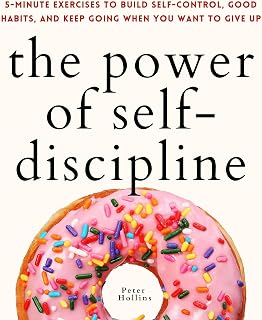
The Power of Self-Discipline: 5-Minute Exercises offers quick practical drills. You can adapt many of these exercises for kids, such as setting micro-goals and practicing delayed gratification.
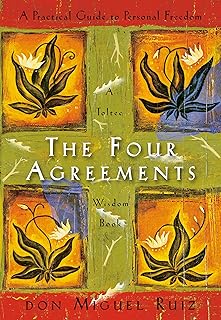
The Four Agreements by Don Miguel Ruiz provides a simple code of conduct that can be taught to children: be impeccable with your word, don’t take anything personally, don’t make assumptions, always do your best. These agreements build emotional self-discipline.
| Product | Price | Rating | Key Focus | Buy at Amazon |
|---|---|---|---|---|
|
$0.00 (audible) | 4.8 | Habit formation & systems | Buy here |
|
$12.93 | 4.7 | Mental toughness & action | Buy here |
|
$0.00 (audible) | 4.5 | Willpower & brain science | Buy here |
|
$0.00 (audible) | 4.4 | Quick exercises & habits | Buy here |
|
$7.05 | 4.7 | Personal freedom & emotional discipline | Buy here |
Common Questions About Self Regulation at Age 6
How do I teach self regulation to a 6 year old?
Start by modeling calm behavior yourself. Use simple scripts like “Stop, Breathe, Choose.” Practice during low-stress times through games like Freeze Dance. Give your child a calm down corner and use visual timers for transitions. Consistency and patience are key.
What does poor self regulation look like in a 6 year old?
Signs include frequent meltdowns over small frustrations, difficulty waiting for turns, trouble following multi-step directions, and impulsive actions like grabbing or hitting. They may also resist transitions strongly or struggle to settle down after excitement.
Can a 6 year old learn impulse control?
Yes. The prefrontal cortex is still developing, but impulse control can be strengthened with practice. Games that require stopping (like Simon Says) and strategies like “Stop and Think” help build the brain’s braking system. Progress is gradual, so celebrate small wins.
How can I help my child calm down when frustrated?
First, stay calm yourself. Validate the emotion: “I see you are frustrated.” Then guide them to a deep breathing exercise or a sensory tool like a stress ball. Keep the method simple and repeat it often. Over time they will use it independently.
What books can help me understand self discipline better?
Books like Atomic Habits and Discipline Equals Freedom offer actionable strategies for building self-discipline in your own life, which in turn helps you teach your child. The table above compares several top-rated options.
Final Thoughts: Your Role in Building Their Inner Compass
Teaching self regulation 6 year old children takes time, consistency, and a lot of patience. But every small step you take today plants seeds for a lifetime of self-discipline. When you help them name their feelings, pause before reacting, and handle transitions with grace, you are giving them tools that go far beyond childhood.
You are the model they will follow. So breathe when you feel frustrated. Use the calm down corner yourself. Let them see you choose discipline over impulse. That example will echo louder than any lesson you teach.
Keep going. You are building a future where your child can handle anything life throws their way.