
Let’s be real for a moment. You’ve set goals before. Maybe you crushed them for a week or two. Then life got loud. The alarm went off and you hit snooze. The workout felt too hard. That project you started sat untouched on your desk. Sound familiar? You are not broken. You just need a reliable system. That is exactly what the self discipline seven step process gives you.
This method is not about willpower hacks or toxic hustle culture. It is a proven, repeatable framework that helps you take action even when motivation hides under the covers. Whether you want to wake up earlier, build a business, lose weight, or simply feel more in control, these seven steps will get you there. And yes, this works on the tough days too.
We’re going to walk through each step in detail. I will share real examples, expert insights, and even some of the best books on the topic. If you are serious about transforming self discipline from a struggle into a natural habit, keep reading.

Table of Contents
Step 1: Define Your WHY So Your Discipline Has Fuel
Discipline without a strong reason is like driving a car with no gas. You might push it a few feet, but you will exhaust yourself quickly. The first step in the self discipline seven step process is to get crystal clear on your why.
Ask yourself: Why does this goal matter to me on a deep level? Not because you “should” do it, but because it connects to something you genuinely value. Maybe you want to be a healthier parent for your kids. Maybe you want financial freedom so you can travel. Maybe you just want to feel proud of yourself again.
Your why needs to be emotional, not logical. Logic gets you started; emotion keeps you going when things get hard. Write it down in one sentence. Read it every morning. This is your anchor.
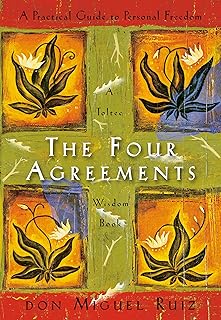
Tip: If you struggle to find your why, read The Four Agreements: A Practical Guide to Personal Freedom. It helps strip away self-limiting beliefs and clarifies what truly matters to you.
“Your ‘why’ must be bigger than your ‘why not.’” — Brian Tracy
Step 2: Set Clear, Measurable Goals That Pull You Forward
Vague goals produce vague results. “I want to be more disciplined” is not a goal. It is a wish. The second step of the self discipline seven step process is to create goals that are specific, measurable, and time bound.
Instead of “I will exercise more,” say “I will exercise for 30 minutes, 5 days per week, before 7 AM, for the next 30 days.” See the difference? Now your brain knows exactly what to do. No room for negotiation.
Break big goals down into quarterly, monthly, and weekly milestones. This makes the mountain climbable. Each small win builds momentum and reinforces your discipline.
Recommended resource: Atomic Habits by James Clear is the gold standard for goal setting and habit formation. It shows how tiny changes lead to remarkable results.

Step 3: Design Your Environment for Success
Willpower is like a muscle. It gets tired. That is why the third step in the self discipline seven step process is to make discipline the path of least resistance. You do this by designing your environment.
If you want to eat healthier, do not keep junk food in the house. If you want to write a book, keep your laptop open on your desk with a blank page ready. If you want to stop scrolling on your phone, put it in another room while you work.
Your environment shapes your behavior more than you think. Use it to your advantage. Remove temptations. Add friction to bad habits. Add ease to good habits.
Examples:
- Keep your gym clothes beside your bed.
- Use website blockers during work hours.
- Prepare your meals the night before.
- Leave your phone charger in the kitchen.
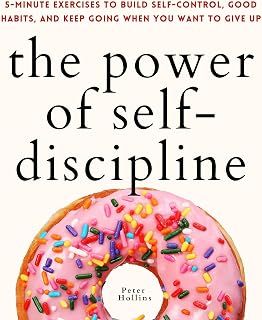
This book offers quick exercises to reshape your environment and mindset. Perfect for busy people.
Step 4: Build Daily Habits with Micro Commitments
The fourth step is perhaps the most actionable. Discipline is not built in giant leaps. It is built in small, consistent actions repeated daily. That is why the self discipline seven step process includes micro commitments.
A micro commitment is a tiny action you promise yourself to do every day without fail. It takes less than two minutes. Examples:
- Do one pushup.
- Write one sentence in your journal.
- Read one page of a book.
- Meditate for 60 seconds.
Micro commitments work because they bypass resistance. Your brain does not argue with a two minute task. And once you start, you often keep going. The goal is to create a chain of successful days.
Important: Never miss two days in a row. If you slip, get back on track immediately. This builds the identity of a disciplined person.
For a structured 30 day program, check out Self Discipline: 30 Days to Self Discipline. It walks you through daily exercises to build unbreakable habits.

Step 5: Use Accountability Systems That Actually Work
Even the most disciplined people struggle alone. That is why step five of the self discipline seven step process is accountability. You need someone or something to keep you honest.
Accountability can take many forms:
- An accountability partner who checks in daily.
- A coach or mentor.
- A public commitment on social media.
- A written contract with consequences.
- A tracking app or habit journal.
The key is to make it impossible to cheat. If you know someone will ask you tomorrow whether you did your workout, you are far more likely to do it.
Pro tip: Pair up with someone who has similar goals. You push each other. When one of you wants to quit, the other holds the rope.
One of the most powerful accountability tools is a field manual mindset. Discipline Equals Freedom by Jocko Willink is a kick in the pants. It treats discipline as a non negotiable and holds you accountable to yourself.

Step 6: Manage Your Energy, Not Just Your Time
Discipline is not about cramming more into your day. It is about showing up with focus and vitality. Step six of the self discipline seven step process is energy management.
You cannot follow through on tough days if you are running on empty. Your body and brain need sleep, nutrition, movement, and rest. If you skimp on these, your willpower reserves dwindle.
Practical energy boosters:
- Sleep 7+ hours per night.
- Eat protein rich meals, avoid sugar spikes.
- Exercise at least 3 times per week.
- Take short breaks every 90 minutes.
- Practice deep breathing or meditation.
When you feel your discipline slipping, ask yourself: Am I tired? Hungry? Stressed? Address that first.
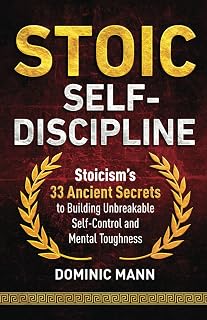
Stoic wisdom: The Stoics understood that self control starts with caring for your physical vessel. Stoic Self-Discipline offers 33 ancient secrets to build mental toughness while respecting your limits.
Step 7: Review, Reflect, and Adapt Every Week
The final step in the self discipline seven step process is what separates short term grinders from long term winners. You must review and reflect regularly.
Set aside 15 minutes every Sunday evening. Ask yourself:
- What did I do well this week?
- Where did I fall short?
- What was the biggest obstacle?
- What can I adjust next week?
- Did I honor my why?
This is not about self criticism. It is about continuous improvement. Discipline is a living practice. It evolves with you.
Use a journal to track your wins and struggles. Over time you will spot patterns and tweak your system for better results. Many top performers use daily reflection prompts. Books like 365 Days With Self-Discipline provide one thought per day to keep you focused all year.

How to Apply the Self Discipline Seven Step Process on Tough Days
The process works beautifully on good days. But what about when you are exhausted, stressed, or demotivated? That is when the real test comes. Here is how to adapt each step for hard days:
- Step 1 (Why): Read your why out loud three times. Connect to the feeling behind it.
- Step 2 (Goals): Lower the bar. Do a smaller version of the goal. Ten minutes instead of an hour.
- Step 3 (Environment): Eliminate all friction. Make it almost impossible to fail.
- Step 4 (Micro commitments): Do the absolute minimum. One rep. One sentence. One minute.
- Step 5 (Accountability): Send your partner a quick text: “I’m struggling. What are you doing?”
- Step 6 (Energy): Rest. Eat something. Take a nap. Then reassess in 30 minutes.
- Step 7 (Reflect): After you fight through, write down what helped. Learn from it.
The goal is not to be perfect. It is to keep the chain alive.
Recommended Resources to Master the Self Discipline Seven Step Process
You do not have to reinvent the wheel. Many experts have written excellent books that align with this framework. Below is a comparison of some top resources to help you go deeper.
Top Books Comparison
| Product | Price | Rating | Key Focus | Buy at Amazon |
|---|---|---|---|---|
|
$0.00 (Audible) | 4.8 / 5 | Habit formation, small changes | Buy Now |
 |
$5.88 | 4.7 / 5 | Stoic self control, mental toughness | Buy Now |
|
$8.66 | 4.7 / 5 | Practical discipline, time management | Buy Now |
 |
$0.00 (Audible) | 4.7 / 5 | Self sabotage, emotional mastery | Buy Now |
 |
$16.83 | 4.6 / 5 | Mental toughness, goal achievement | Buy Now |
All of these books reinforce the self discipline seven step process in unique ways. Pick the one that resonates with your current challenge.
Frequently Asked Questions About the Self Discipline Seven Step Process
What is the self discipline seven step process?
It is a structured method to build consistent self discipline through seven stages: defining your why, setting clear goals, designing your environment, building micro habits, using accountability, managing energy, and reflecting weekly.
How long does it take to see results from this process?
Many people notice a shift in their daily consistency within the first week. However, lasting transformation usually takes 30 to 90 days of practice. The key is to keep going even when you slip.
Can I use this process for multiple goals at once?
Yes, but start with one primary goal. Trying to apply all seven steps to every area of your life at once can overwhelm you. Master the process on one goal, then expand.
What if I fail on a tough day?
Failure is part of the journey. The self discipline seven step process expects it. Use step seven (reflection) to understand what happened. Adjust your environment or micro commitment size. Then get back on track the next day. Never miss two days in a row.
Is this process backed by science?
Yes. Many principles align with behavioral psychology, habit research, and cognitive neuroscience. Techniques like implementation intentions, environmental design, and habit stacking have strong empirical support. Books like The Science of Self-Discipline break down the research.
Do I need to buy all these books?
No. One or two well chosen resources are enough to support your practice. The real work happens when you apply the steps daily.
How is this different from other discipline methods?
Most methods focus only on willpower or motivation. The self discipline seven step process addresses the whole system: your mindset, environment, habits, energy, and accountability. It is designed for real world messiness, not just theory.
Your Next Step
You now have the complete roadmap. The self discipline seven step process is not magic. It is a cycle you repeat until discipline becomes your default setting. Start with step one today. Write down your why. Then move to step two. Take it one step at a time.
Remember, you are not aiming for perfection. You are aiming for progress. Every rep, every page, every early morning adds up. The person you want to become is built through these small, disciplined choices.
Go ahead. Take the first step. Your future self will thank you.
