
You’ve heard it a hundred times: “Just be more disciplined.” But if it were that simple, everyone would have a six‑pack, a six‑figure income, and a perfectly organized sock drawer. The missing piece? You need to understand what self regulation refers to before you can build lasting self‑discipline.
Let’s clear that up right now. Self‑regulation is your ability to manage your thoughts, emotions, and behaviors in the service of long‑term goals. Self‑discipline is the engine; self‑regulation is the steering wheel. One without the other gets you nowhere fast.
In this deep‑dive, we’ll unpack the real meaning of self‑regulation, show you how it connects to self‑discipline, and give you concrete daily tactics to make both work for you. Along the way, we’ll point you to some of the best resources on the market — books that have helped millions rewire their self‑control. Let’s get started.
Table of Contents
What “Self Regulation Refers To” (And Why You Need It)
When people talk about willpower or grit, they’re usually describing the output. Self regulation refers to the internal process that controls that output. Think of it as your brain’s air traffic control system. It decides which impulses get landing clearance and which ones get waved off.
Psychologists break self‑regulation into four components:
- Standards: Your personal benchmarks for what “good enough” looks like.
- Monitoring: Keeping track of how you’re doing against those standards.
- Willpower: The mental energy to push through resistance.
- Motivation: The “why” that keeps you going when the temptation to quit is loud.
Without clear standards, you drift. Without monitoring, you miss the warning signs. Without willpower and motivation, you fold. Self‑discipline grows directly from this four‑part cycle.
So self regulation refers to your ability to step back, assess your current state, and adjust your actions to stay aligned with your values. It’s not about being rigid — it’s about being intentional.
The Self‑Regulation Fallacy: Why “Just Do It” Fails
If you’ve ever beaten yourself up for lacking discipline, take a breath. The problem isn’t that you’re weak. The problem is you’re trying to muscle through without the right self‑regulation tools.
Imagine you’re on a diet and a slice of pizza appears. Pure willpower says “resist!” Self‑regulation says “I notice I’m craving pizza. That’s okay. I have a pre‑planned healthy alternative, and I’m going to remind myself why my health goal matters more than this momentary pleasure.”
See the difference? One is a battle. The other is a conversation with yourself. And that conversation is exactly what self regulation refers to in practice.
Research shows that people who rely only on willpower burn out faster. Those who use self‑regulation strategies — like re‑framing temptations, removing triggers, and creating implementation intentions — build habits that stick.
How to Use Self‑Regulation Daily for Unshakable Self‑Discipline
Now, let’s move from theory to action. Here are practical ways to apply self regulation every single day.
1. Set Clear, Specific Standards
Your brain can’t regulate toward a fuzzy goal. Saying “I want to be more disciplined” is like giving a GPS the destination “somewhere nice.” Not helpful.
Make your standards concrete:
- Instead of “eat healthier,” write: “I will eat at least 5 servings of vegetables every day.”
- Instead of “exercise more,” write: “I will do 30 minutes of strength training at 7 AM, Monday through Friday.”
When your standards are crisp, your self‑regulation system has something to aim at.
2. Monitor Your Behavior Like a Friendly Scientist
Self‑regulation requires honest feedback. Keep a simple log or use a habit‑tracking app. At the end of each day, ask:
- Did I hit my standards today?
- What threw me off track?
- What can I adjust tomorrow?
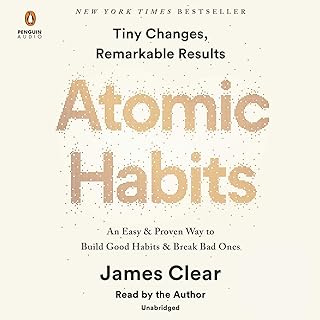
This isn’t about judgment — it’s about data. The act of tracking alone improves performance. That’s why books like Atomic Habits (4.8 stars, over 148,000 reviews) emphasize the power of small, measurable actions. James Clear’s system is built on exactly this kind of self‑regulation.
3. Conserve Your Willpower by Stacking the Environment
Willpower is like a phone battery — it drains throughout the day. Self‑regulation means you design your environment so you don’t need to rely on willpower at moments of peak fatigue.
- Keep junk food out of the house.
- Put your phone in another room while working.
- Prep your gym clothes the night before.
These small moves reduce the number of decisions you need to regulate. Your limited willpower gets reserved for what truly matters.
For a no‑nonsense guide to eliminating excuses, read No Excuses!: The Power of Self-Discipline by Brian Tracy. It’s packed with strategies to stop rationalizing and start acting.

4. Use the “Pre‑Commitment” Hack
Tell a friend what you’re going to do. Or put money on the line. When you raise the stakes, your brain takes the goal more seriously. This is self‑regulation through social accountability.
For example, join a weekly check‑in group. Or use an app that charges you if you miss a habit. It sounds silly, but it works because it externalizes part of the monitoring function.
5. Reframe Temptation as a Signal, Not a Threat
When a craving hits, don’t fight it. Instead, label it:
- “I notice I want to check Instagram right now.”
- “I notice I’m feeling anxious about this deadline and want to procrastinate.”
Naming the impulse reduces its power. That’s a core self‑regulation technique called “urge surfing.” It buys you enough time to make a conscious choice instead of an automatic reaction.
Common Questions About Self‑Regulation and Self‑Discipline
What is the difference between self‑regulation and self‑control?
Self‑control is the ability to resist short‑term temptations. Self regulation refers to the broader process that includes setting goals, monitoring progress, and adjusting behavior. Self‑control is one tool inside the self‑regulation toolbox.
Can self‑regulation be improved?
Absolutely. Like a muscle, it gets stronger with practice. Daily mindfulness, journaling, and setting small consistent goals all train your self‑regulation circuits. Books like Mindful Self‑Discipline (4.7 stars) provide guided exercises.

Why do I struggle with self‑regulation when I’m tired?
Your prefrontal cortex — the brain region responsible for self‑regulation — runs on glucose and rest. When you’re tired, it goes offline. That’s why your best intentions unravel at 10 PM. Solution: do important tasks early, and keep your evening environment low‑temptation.
How does emotional regulation tie into self‑discipline?
Emotions drive behavior. If you can’t regulate feelings like frustration, boredom, or stress, you’ll reach for quick fixes. Emotional regulation is a subset of self‑regulation. Techniques like deep breathing, cognitive reappraisal, and journaling help you stay calm enough to make disciplined choices.
What if I keep failing at my goals?
Failure is feedback. The most disciplined people aren’t perfect — they’re experts at recovering. Use each slip as data. Adjust your standards or your environment. And remember The Mountain Is You (4.7 stars), which reframes self‑sabotage as a path to self‑mastery.

Top Books to Deepen Your Self‑Regulation and Self‑Discipline
If you want to go deeper, these resources are gold. Below is a comparison of the most popular titles — all highly rated and widely recommended.
| Product | Price | Rating | Picture | Buy at Amazon |
|---|---|---|---|---|
| Atomic Habits by James Clear | $0.00 (audiobook) | 4.8 | |
Buy Now |
| Discipline Equals Freedom by Jocko Willink | $12.93 | 4.7 |  |
Buy Now |
| The Power of Discipline by Daniel Walter | $16.83 | 4.6 |  |
Buy Now |
| Stoic Self‑Discipline by Thomas Swain | $19.99 | 4.7 |  |
Buy Now |
| The Four Agreements by Don Miguel Ruiz | $7.05 | 4.7 |  |
Buy Now |
Each of these books tackles self regulation from a different angle — habits, mental toughness, ancient philosophy, or emotional freedom. Choose the one that resonates most with your current struggle.
A Simple Self‑Regulation Daily Routine
Here’s a 10‑minute morning ritual to set your self‑discipline up for success:
- 2 minutes: Write down your top 3 priorities for the day (standards).
- 2 minutes: Visualize potential obstacles and plan how you’ll handle them (monitoring).
- 3 minutes: Mentally rehearse yourself taking disciplined action (willpower priming).
- 3 minutes: Remind yourself why these goals matter (motivation).
That’s it. This small loop strengthens your self‑regulation muscle every single day. Try it for a week and notice the difference.
Final Thought: Self‑Regulation Is Freedom
The phrase “self regulation” can sound cold — like a prison guard inside your head. But the truth is the opposite. When you master what self regulation refers to, you gain the freedom to choose your actions rather than being tossed around by impulse and habit.
You stop reacting to every craving, every distraction, every fear. You start living deliberately. That’s what self‑discipline really delivers.
Start small. Pick one technique from this article and use it today. Then tomorrow, add another. Over time, you’ll build the internal system that turns your best intentions into your everyday reality.
Frequently Asked Questions
What does self‑regulation mean in simple terms?
Self‑regulation is your ability to manage your thoughts, feelings, and behaviors to stay on track with your goals. It’s like being the CEO of your own mind — you set the direction and course‑correct when you drift.
How is self‑regulation different from self‑discipline?
Self‑discipline is the act of pushing through discomfort to do what’s necessary. Self regulation refers to the broader process that includes goal‑setting, self‑monitoring, and strategic adjustments. Discipline is the action; regulation is the system.
Can you be disciplined without self‑regulation?
You can have short bursts of discipline through sheer willpower, but without self‑regulation you’ll eventually burn out or get derailed. Sustainable discipline always rests on solid self‑regulation.
What are signs of poor self‑regulation?
- Frequent procrastination
- Difficulty sticking to routines
- Emotional eating or impulsive buying
- Feeling out of control around screens
- Making plans but rarely following through
How long does it take to improve self‑regulation?
You’ll notice small improvements within a few days of consistent practice. Significant changes typically unfold over 8–12 weeks. Be patient and treat each day as a fresh chance to refine your approach.
What’s the best book to start with?
If you’re new to the topic, start with Atomic Habits. It’s practical, science‑backed, and directly addresses the micro‑habits that build self‑regulation. For a deeper dive into mental toughness, pair it with Discipline Equals Freedom.