
You know the feeling. You have a goal, a deadline, a commitment to yourself. But then anger flares, anxiety creeps in, or boredom settles like fog. Suddenly, discipline vanishes. You reach for the phone, the snack, the excuse.
This is not a character flaw. It is a skill gap. The missing link is self regulation of emotions — the ability to manage your feelings so they don’t hijack your actions. When you learn to regulate your emotions, self-discipline stops being a battle and becomes a natural response.
Let’s be clear: you are not trying to kill your feelings. You are learning to work with them so they don’t run the show. This article gives you practical, science-backed strategies to build self-discipline from the inside out. And because learning is a journey, we have curated some of the best books on self-discipline to support your growth.

Table of Contents
What Is Self Regulation of Emotions and Why Does It Matter for Self-Discipline?
Self regulation of emotions means managing how you experience and express feelings. It is not about suppression. It is about noticing an emotion arising, understanding its message, and choosing a response that aligns with your long-term goals.
When your emotions run wild, your prefrontal cortex (the logical part of your brain) goes offline. The amygdala takes the wheel. You act impulsively. You procrastinate. You say things you regret.
Building self-discipline without emotional regulation is like trying to steer a car with no brakes. You will move, but you won’t control the direction. That is why every serious personal development plan includes emotional regulation as a foundation.
Key components of skill self regulation of emotions include:
- Self-awareness: knowing what you feel and why.
- Cognitive reappraisal: reframing the meaning of a situation.
- Impulse control: pausing before reacting.
- Stress tolerance: staying functional under pressure.
These are not born traits. They are trained. And training starts with understanding how your feelings try to trick you.
The Connection Between Emotional Regulation and Self-Control
Think of self-control as the muscle and emotional regulation as the breath that feeds it. When you are calm, your willpower reserves are high. When you are upset, your brain prioritizes immediate relief over long-term rewards. That is why you eat junk food after a stressful meeting, or skip your workout when you feel sad.
Research shows that people with high emotional regulation score better on delay-of-gratification tasks. They are better at ignoring tempting stimuli because they have learned to reframe desire.
The classic example: you feel angry after a colleague’s comment. Your gut says fire back. But if you can regulate that anger — label it, understand its source, choose a response — you keep your job, your relationships, and your self-respect. That is self-discipline in action.
Practical Strategies for Self Regulation of Emotions to Strengthen Self-Discipline
Pause and Label Your Feelings
The moment you notice emotional intensity, pause. Name the emotion. Say it silently or out loud: “I am feeling frustrated.” “I am experiencing anxiety.”
Psychologists call this affect labeling. It activates the prefrontal cortex and reduces amygdala reactivity. You move from being consumed by the feeling to observing it. That tiny distance is enough to regain control.
Try this: next time you feel tempted to break a habit, pause and ask: “What am I feeling right now?” The answer often reveals the real driver.
Reframe Emotional Triggers
Cognitive reappraisal is a powerful tool. When you feel an emotion that threatens your discipline, look for a different interpretation.
Example: You feel bored during a work project. Instead of “This is unbearable,” try “Boredom is my brain’s signal that I need novelty. I can add a new approach or set a mini-challenge.” Suddenly, boredom becomes a cue for creativity, not a reason to quit.
Reframing does not deny reality. It chooses a lens that keeps you moving forward.
Build a “Pre-Commitment” System
Your future self is not always rational. When emotions are calm, set up barriers against future impulses.
- Put your phone in another room when you need focus.
- Pre-order a healthy lunch so you don’t make a tired decision.
- Tell a friend you will send them your progress every day.
These moves don’t require willpower in the moment. They rely on forethought. And forethought is emotional regulation in advance.
Use the 10-Minute Rule
When you feel an urge to break discipline — skip a workout, eat junk, check social media — say to yourself: “I can do this in 10 minutes if I still want to.”
Most emotional surges lose their force within minutes. By waiting, you let the initial wave pass. You then decide from a calmer mind. This is the 10-minute rule, and it works because it honors the feeling without obeying it.
Practice Daily Mindfulness
Mindfulness trains you to notice emotions without reacting. Five minutes a day of sitting with your breath builds the “muscle” of awareness. Over weeks, you catch emotional spikes earlier and respond with more choice.
Studies show that regular mindfulness increases gray matter in regions linked to self-regulation. It is not mystical; it is mental calisthenics.
Develop a Self-Talk Script
Create a prepared phrase to say when emotions try to knock you off course.
- “I am in control of my actions, not my feelings.”
- “This discomfort is temporary. My goal is permanent.”
- “Feelings are data, not directions.”
Repeat it like a mantra. The script disrupts the automatic pattern and reorients you toward your commitment.
How to Build Self-Discipline When You Feel Overwhelmed
Overwhelm is a special kind of emotional storm. It paralyzes decision-making. Here is a step-by-step approach using emotional regulation:
- Stop. Drop everything for 60 seconds.
- Breathe. Inhale for 4 counts, hold for 4, exhale for 6.
- List. Write down three small things you can do right now.
- Do one. Pick the easiest action and start.
The goal is not to solve everything. It is to regain a sense of agency. Once you move, the feeling of helplessness shrinks, and discipline becomes possible again.
Also, remember that self-discipline is not about never feeling overwhelmed. It is about having a reliable recovery protocol. Build your own short list.
Books to Deepen Your Understanding of Self-Discipline and Emotional Control
Reading is one of the best ways to internalize emotional regulation strategies. Here are several highly rated books that directly address self regulation of emotions and self-discipline. Each includes a clickable image to purchase.
No Excuses!: The Power of Self-Discipline by Brian Tracy
A classic that lays out the mindset and tactics for self-discipline in every area of life. Brian Tracy shows how to stop making excuses and start taking responsibility. Price: $8.66, Rating: 4.7.
Atomic Habits by James Clear
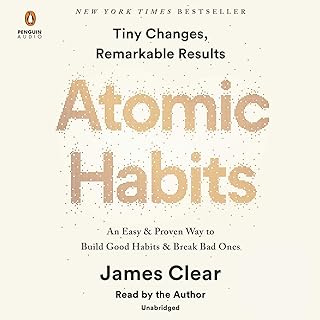
The most popular habit book of the decade. It provides a system for tiny changes that lead to remarkable results. James Clear explains how to design your environment so discipline becomes automatic. Rating: 4.8.
Discipline Is Destiny by Ryan Holiday

Ryan Holiday blends Stoic philosophy with modern stories of self-mastery. This book teaches that self-control is the foundation of freedom. Price: $5.88, Rating: 4.7.
The Mountain Is You by Brianna Wiest

Explores why we sabotage ourselves and how to break the cycle. It directly addresses emotional blocks to discipline. Available as audiobook (free with trial). Rating: 4.7.
Comparison Table: Top Books on Self-Discipline and Emotional Regulation
| Book | Price | Rating | Key Focus | Buy at Amazon |
|---|---|---|---|---|
| No Excuses! |
$8.66 | 4.7 | Excuse elimination, personal responsibility | Buy Now |
| Atomic Habits |
$0.00 (audiobook) | 4.8 | Habit systems, environment design | Buy Now |
| Discipline Is Destiny |
$5.88 | 4.7 | Stoic self-control, historical examples | Buy Now |
| The Mountain Is You |
$0.00 (audiobook) | 4.7 | Self-sabotage, emotional healing | Buy Now |
These books complement each other. Start with Atomic Habits for practical structure, then dive into No Excuses! for mindset shifts, Discipline Is Destiny for philosophical depth, and The Mountain Is You for emotional clearing.
Other highly recommended titles include:
- The Power of Discipline (Rating 4.6) — a science-based approach.
- The Psychology of Self-Discipline (Rating 4.6) — 24 proven strategies.
- Digital Self-Discipline (Rating 4.8) — for managing tech addiction.
- Mindful Self-Discipline (Rating 4.7) — integrates mindfulness and discipline.
Each has its own strength. Explore the ones that resonate most with your current struggle.
Frequently Asked Questions About Self Regulation of Emotions
How do self regulation of emotions and self-discipline work together?
Self regulation of emotions helps you stay calm and clear when urges arise. Without it, self-discipline crumbles under stress. With it, you pause, evaluate, and choose actions aligned with your goals. Emotional regulation is the support system for willpower.
Can I build self-discipline if I am highly emotional?
Yes. In fact, highly emotional people often have an advantage: they feel their motivations intensely. The key is learning to channel that intensity instead of being overwhelmed by it. Start with the labeling and reframing strategies above. Progress takes time, but it is absolutely possible.
What is the fastest way to improve emotional regulation?
The 10-minute rule combined with daily mindfulness gives quick results. Also, reduce decision fatigue by automating small choices (e.g., meal prep, morning routine). The less you have to decide when stressed, the easier regulation becomes.
Are there any supplements or exercises that help?
Exercise, especially aerobic activity, directly improves emotional regulation by lowering baseline stress hormones. Breathing exercises (box breathing) trigger calm responses. No supplement replaces skill training, but magnesium and omega-3s support brain health. Always consult a professional.
How long does it take to see changes in self-discipline?
Small improvements appear within days of consistent practice. Lasting changes, like automatic emotional regulation, take weeks to months. The key is not perfection but repetition. Every time you pause and choose, you rewire your brain.
Your Next Step
You now have the roadmap. Self-discipline is not about suppressing feelings. It is about self regulation of emotions — using your feelings as information, not as commands. The strategies in this article are tools. You need to use them repeatedly before they become automatic.
Start small. Pick one strategy today. Maybe it is the 10-minute rule. Maybe it is labeling your emotions. Maybe it is buying one of the books above to dive deeper. What matters is that you start.
The mountain of self-mastery is climbed one regulated moment at a time. You have the strength. Now you have the method. Go build your disciplined life.