
You pick up a shirt labeled “eco-friendly” or “natural.” It sounds good, but what does it actually mean? The truth is, greenwashing is everywhere in fashion. Brands slap on vague terms without any proof. If you want the best shirts for men that are truly sustainable, you need to learn how to read between the lines. This guide will decode the most common eco claims, expose red flags, and recommend real sustainable shirts you can buy right now.
We’ll start with a standout example: the Men's Linen Shirts Short Sleeve Casual Button Down from COOFANDY. Linen is one of the most eco-conscious fibers available. But not every shirt that looks “natural” is the real deal. Let’s break down exactly what to look for.
Table of Contents
Understanding Eco Claims: Certifications That Actually Mean Something
Brands love using words like sustainable, green, and eco-friendly because they aren’t legally regulated. To separate fact from fiction, rely on third-party certifications. Here are the key labels you need to know:
- GOTS (Global Organic Textile Standard) – Guarantees organic fiber content and strict environmental and social criteria throughout the supply chain.
- OEKO-TEX Standard 100 – Tests for harmful chemicals. A good baseline, but doesn’t cover all sustainability aspects.
- Fair Trade Certified – Ensures fair wages, safe working conditions, and community investment.
- Bluesign – Focuses on resource efficiency, consumer safety, and clean production.
- Cradle to Cradle – Evaluates material health, recyclability, renewable energy, and water stewardship.
When a shirt carries one of these logos, you can trust the claim. Without them, you’re relying on the brand’s word alone. For a deeper dive into specific labels, see our guide on Certified Green: Best Shirts for Men with Recognized Eco Labels and Standards.
Materials That Make Truly Sustainable Shirts
The fabric composition tells you a lot. Some materials have a low environmental footprint by nature, while others are heavily processed or derived from fossil fuels.
✅ High-Sustainability Materials
- Organic cotton – Grown without synthetic pesticides or fertilizers. Look for GOTS-certified organic cotton, not just "cotton." Check out Best Shirts for Men Made with Organic Cotton: Soft, Clean and Eco-conscious Picks.
- Linen – Made from flax plants, which require less water and fewer chemicals than conventional cotton. Linen is biodegradable and very durable.
- Tencel (Lyocell) – Wood-pulp based, closed-loop production that recycles solvents. Very soft and breathable.
- Hemp – Fast-growing, requires little water, and enriches the soil. Often blended with organic cotton.
- Recycled fibers – Recycled polyester or nylon reduces waste. But be aware that washing synthetic blends can release microplastics. See Recycled Fibers and Beyond: Best Shirts for Men Using Innovative Sustainable Materials.
❌ Less Sustainable Materials
- Conventional cotton – Heavy water use, pesticides, and soil degradation.
- Virgin polyester, nylon, acrylic – Derived from fossil fuels, not biodegradable, and shed microplastics.
- Viscose (rayon) – Often made using toxic chemicals unless certified as ecovero or Tencel.
Greenwashing Red Flags: What to Watch Out For
Greenwashing is when a brand creates a false impression of environmental responsibility. Here are the most common traps:
- Vague language – “Eco-friendly,” “natural,” “conscious,” “sustainable” without any certification or detail.
- One-attribute claims – “Made with recycled water” but the rest of the shirt is conventional polyester. Look at the whole product lifecycle.
- Green-colored packaging – A bottle with leaves on it doesn’t make the shirt sustainable.
- No transparency – The brand doesn’t list its factories, supply chain, or material sources.
- Unrealistic promises – “100% biodegradable” might sound good, but if the shirt has plastic buttons and polyester thread, it won’t fully break down.
To dig deeper, read Capsule Wardrobe: Best Shirts for Men Building a Minimal, Sustainable Closet. A capsule wardrobe forces you to choose quality over quantity, which reduces greenwashing risk.
Best Shirts for Men That Are Truly Sustainable (With Proof)
Now let’s look at real products that deliver on sustainability – plus one that might need closer inspection. The table below compares three popular options. All links are to Amazon.
Product Comparison Table
| Product | Image | Key Features | Price | Rating | Buy Now |
|---|---|---|---|---|---|
| Men's Linen Shirts Short Sleeve Casual Button Down (COOFANDY) |  |
100% linen, breathable, wrinkle-resistant, versatile for summer. No specific certification listed but linen is inherently sustainable. | $29.99 | 4.3 | Buy Now |
| Mens Linen Shirts Short Sleeve Button Down (Alimens Gentle) |  |
Linen blend (likely linen/cotton), wrinkle-free, vacation style, affordable. Linen content reduces environmental impact. | $17.99 | 4.5 | Buy Now |
| Men's Undershirt Packs (Hanes) | 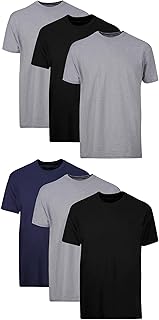 |
Cotton, moisture-wicking, stay-tucked design. Hanes has some sustainability initiatives but no organic or fair-trade certification on this pack. | $17.58 per pack | 4.5 | Buy Now |
Analysis: The first two shirts are strong picks for sustainable dressing because they’re made largely from linen. Linen’s low-impact farming makes it an excellent choice even without a certification. The Hanes pack uses conventional cotton – better than synthetics, but not as eco-friendly as organic or linen. If you want to avoid greenwashing, prioritize materials like linen and organic cotton with certification.
For more on building a durable wardrobe, see Durability Matters: Best Shirts for Men That Last Longer and Reduce Waste.
How to Make Your Final Choice
When shopping for the best shirts for men that are genuinely sustainable, follow this checklist:
- Check the fiber content – Look for organic cotton, linen, hemp, Tencel, or recycled fibers.
- Look for third-party certification – GOTS, OEKO-TEX, Fair Trade, Bluesign.
- Read the brand’s sustainability page – Are they transparent about factories and materials?
- Beware of low prices – A $10 shirt cannot be truly sustainable unless it’s secondhand.
- Consider durability – A high-quality linen shirt will last years, reducing waste.
A great example with a strong price-to-sustainability ratio is the COOFANDY Linen Shirt. For a lighter budget, the Alimens Gentle Linen Shirt is hard to beat.
FAQ: Eco Claims and Sustainable Shirts
Q: What does “greenwashed” mean in clothing?
A: Greenwashing is when a brand uses misleading claims to appear more environmentally friendly than it really is. Examples include using vague terms like “eco-friendly” without proof or highlighting one minor green feature while ignoring major issues.
Q: Is linen always sustainable?
A: Linen is generally sustainable because flax requires little water and pesticides. However, if the linen is dyed with toxic chemicals or shipped long distances, its impact increases. Look for low-impact dyes or certifications like OEKO-TEX.
Q: Can I trust a shirt labeled “organic” without a certification?
A: No. The term “organic” is regulated for food but not strictly for textiles in many countries. Always look for a GOTS or USDA Organic label to be sure.
Q: Are expensive shirts always more sustainable?
A: Not necessarily. Price can reflect quality, but it can also reflect brand markup. A mid-priced linen shirt like the Alimens Gentle is both affordable and sustainable.
Final Thoughts
Reading eco claims doesn’t have to be confusing. Focus on materials, certifications, and brand transparency. Linen shirts are a fantastic entry point into sustainable fashion – they look great, last long, and are naturally low-impact. Whether you choose the COOFANDY or the Alimens Gentle, you’re already ahead of greenwashed alternatives.
Remember, the most sustainable shirt is the one you already own. But when you need a new one, choose wisely. For more eco‑conscious picks, explore our full guide on Best Shirts for Men from Fair Labor Supply Chains: What to Look for before You Buy.