
You’ve been eating clean, sweating through workouts, and watching the scale drop. Then suddenly, it stalls. For days, weeks, even months—nothing. You’ve hit a weight loss plateau. It’s frustrating, but it’s also completely normal. In fact, nearly everyone on a weight loss journey faces this wall at some point.
Understanding why a plateau happens and how to diagnose the root cause is the key to breaking through. This guide will help you stop guessing and start solving.
Table of Contents
What Exactly Is a Weight Loss Plateau?
A weight loss plateau occurs when your body stops losing weight despite maintaining the same calorie deficit and exercise routine. Initially, large drops in water weight and fat are common. But as your body shrinks, your metabolism adapts. This is called metabolic adaptation—your body becomes more efficient at using energy.
A plateau is not a signal to give up. It’s a signal to reassess your approach. The good news? Once you know what’s causing it, you can fix it.
Top 6 Reasons You’re Stuck (And How to Diagnose Each)
1. You’re Eating Too Few Calories
It sounds backward, but undereating can backfire. When calories drop too low, your body enters “starvation mode,” slowing your metabolism to conserve energy. Your thyroid hormones may also dip, making weight loss grind to a halt.
How to diagnose: Log everything you eat for one week using an app. If your net calories are under 1,200 (women) or 1,500 (men), you may need to reverse diet—gradually increasing calories to rev up metabolism again.
2. Your Protein Intake Is Too Low
Protein is crucial for preserving muscle mass during weight loss. Muscle burns more calories at rest than fat does. If you’re not eating enough protein, you may be losing muscle, which further slows your metabolism.
How to diagnose: Aim for 1.6–2.2 grams of protein per kilogram of body weight. If you’re below that, add lean meats, legumes, or a protein supplement.
3. Your Workout Routine Hasn’t Evolved
Your body adapts to repetitive stress. If you’ve been doing the same cardio routine for months, your muscles have become efficient—they burn fewer calories than before. Strength training is often the missing piece.
How to diagnose: Track your weekly activity. If you never increase intensity, duration, or weight, it’s time to shake things up. Incorporate progressive overload—lifting heavier or adding more reps.
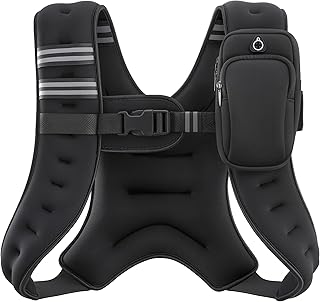
A weighted vest can transform bodyweight exercises into a fat-burning challenge. For example, the ZELUS Weighted Vest (available in 6–30 lbs) adds resistance to walking, lunges, or push-ups. It’s rated 4.6 stars and costs just $28.98.
4. Your Sleep and Stress Are Sabotaging You
Cortisol—the stress hormone—encourages fat storage, especially around the belly. Poor sleep also disrupts hunger hormones (ghrelin and leptin), making you crave high-calorie foods. Even if your diet is on point, chronic stress can stall progress.
How to diagnose: Rate your sleep quality over the past week. If you average fewer than 7 hours or feel wired/tired, address sleep hygiene. Consider adaptogens or magnesium supplements.
5. You’re Not Tracking Hidden Calories
Sauces, dressings, coffee creamers, and “healthy” snacks can add hundreds of unseen calories. Even healthy foods like nuts and avocado pack a caloric punch.
How to diagnose: Use a food scale for one week. You might be surprised how much extra you’re eating. That “innocent” tablespoon of olive oil could be 120 calories.
6. Medical Issues (Thyroid, PCOS, Insulin Resistance)
Hormonal imbalances can override any diet or exercise plan. Hypothyroidism, polycystic ovary syndrome (PCOS), and insulin resistance are common culprits.
How to diagnose: If you’ve ruled out everything else, see your doctor for blood work. Check TSH, free T3/T4, fasting insulin, and glucose.
Diagnostic Checklist: How to Find Your Plateau Cause
Use this simple self-assessment to pinpoint the issue:
- Am I eating fewer than 1,200–1,500 calories daily? → Eat more
- Is my protein under 1.6 g/kg body weight? → Increase protein
- Have I done the same workout for 4+ weeks? → Change routine
- Do I sleep less than 7 hours or feel highly stressed? → Fix sleep/stress
- Do I track every bite, including drinks? → Start weighing portions
- Any history of thyroid or hormone problems? → Check with doctor
Smart Supplements to Support Your Breakthrough
While no supplement melts fat overnight, some can support metabolism, curb cravings, or fill nutrient gaps. Here are a few high-rated options from real users:
Metabolism Boosters
Nature’s Bounty Chromium Picolinate is an 800 mcg mineral supplement that supports fat, protein, and sugar metabolism. With a 4.5-star rating and over 8,600 reviews, it’s a budget-friendly choice at $7.49.

OLLY Metabolism Gummy Rings combine apple cider vinegar, vitamin B12, and chromium in a chewable gummy. Great for digestion and energy—only $16.97 and rated 4.3 stars.

Thermogenic & Collagen Support
Thermogenic Fat Burner Brazilian Lean is marketed as a waist trimmer and bloating relief supplement, with 60 capsules for $9.99 (4.1 stars). Many women find it helps with water retention.
Premium Liquid Collagen brings hyaluronic acid, biotin, L-carnitine, and apple cider vinegar in a liquid shot. At $26.95 (4.4 stars), it supports hair, skin, and metabolism.
Prescription Options (Consult a Doctor)
For persistent plateaus, some people explore medications like Contrave, Zepbound, or Phendimetrazine. These are available by prescription only. Always speak with a healthcare professional before starting any weight loss drug.
- Contrave – $50.00
- Zepbound – $25.00
- Phendimetrazine – $4.00
Detox Support
Purely Inspired 7-Day Detox Cleanse contains senna leaf, apple cider vinegar, and probiotics. At $9.99 (4.2 stars), it’s a gentle way to reset after a high-sodium weekend that may be masking water retention.
Alli – Over-the-Counter Fat Blocker
Alli Weight Loss Diet Pills (Orlistat 60 mg) work by blocking dietary fat absorption. The 120-count refill costs $65.99 and is rated 4.2 stars with over 28,000 reviews.
Comparison Table of Top Products
| Product | Price | Rating | Key Benefits | Buy Now |
|---|---|---|---|---|
| ZELUS Weighted Vest |
$28.98 | 4.6 | Adds resistance to workouts, boosts calorie burn | Buy on Amazon |
| Nature's Bounty Chromium Picolinate |
$7.49 | 4.5 | Supports sugar metabolism, affordable | Buy on Amazon |
| OLLY Metabolism Gummy Rings |
$16.97 | 4.3 | Tasty gummy with ACV, B12, chromium | Buy on Amazon |
 Alli Orlistat 60 mg Alli Orlistat 60 mg |
$65.99 | 4.2 | Blocks fat absorption, clinical strength | Buy on Amazon |
How to Break a Weight Loss Plateau: 5 Actionable Steps
- Recalculate your TDEE – As you lose weight, your maintenance calories drop. Use an online calculator with your current weight.
- Cycle your calories – Alternate higher and lower calorie days to keep your metabolism guessing.
- Increase non-exercise activity – Walking, standing, fidgeting—these all add up. Aim for 8,000–10,000 steps daily.
- Prioritize strength training – Lift heavy (or use a weighted vest) to preserve muscle. Muscle burns 3x more calories than fat at rest.
- Check your sleep and stress – Try a week of 7–8 hours sleep and 10 minutes of meditation. You might break through without changing anything else.
Frequently Asked Questions
Q: How long does a weight loss plateau usually last?
A: Most plateaus last 2–4 weeks. If you’ve been stuck longer than 6 weeks without any change, it’s time to see a doctor.
Q: Can I speed up my metabolism to break a plateau?
A: Yes, by increasing muscle mass, eating enough protein, and getting quality sleep. Supplements like chromium picolinate may offer slight support.
Q: Should I try a detox to break a plateau?
A: A short-term detox like the Purely Inspired 7-Day Detox can help shed water weight, but true fat loss requires a calorie deficit.
Q: Are prescription weight loss medications safe for plateaus?
A: Medications like Contrave or Zepbound are effective for some, but they require a prescription and medical supervision. They are not first-line solutions.
Q: Is a plateau a sign I’ve lost too much weight?
A: Not necessarily. It’s usually a sign your body has adapted. Use the diagnostic checklist above to find the real culprit.
Final Thoughts
A weight loss plateau is not a failure—it’s a speed bump on the road to your goal. By identifying the exact cause (metabolic adaptation, hidden calories, low protein, or stress), you can take targeted action. Small tweaks like adding a weighted vest to your walks, supplementing with chromium or ACV gummies, or simply sleeping more often make all the difference.
Remember, sustainable weight loss is a marathon, not a sprint. Trust the process, adjust your plan, and the scale will move again.