
If you’ve ever tried to lose weight, you’ve probably heard about these two heavyweights: intermittent fasting and calorie counting. Both are backed by real science and have helped millions shed pounds. But which one actually works better for you?
It’s not a one‑size‑fits‑all answer. The best approach depends on your lifestyle, psychology, and long‑term goals. In this article, we’ll compare them side by side using evidence‑based research, personal development insights, and practical strategies—plus a few tools to support your journey.
Table of Contents
The Basics: What Are They?
Intermittent fasting (IF) isn’t about what you eat—it’s about when you eat. You cycle between periods of eating and fasting. Popular methods include the 16:8 (fast for 16 hours, eat for 8) and the 5:2 (eat normally five days, restrict calories two days). IF works by extending the time your body burns fat for fuel, especially when fasting exceeds 12 hours.
Calorie counting, on the other hand, focuses on energy balance. You track every calorie you consume and aim to eat fewer than you burn. It’s the classic “calories in vs. calories out” model. Apps like MyFitnessPal make it easy to log food and stay accountable.
Both methods create a calorie deficit—the cornerstone of weight loss. But they do it in very different ways.
The Research: What the Science Says
Multiple studies show that both intermittent fasting and calorie counting lead to similar weight loss results over 6–12 months. A 2020 review in Nutrition Reviews compared IF with continuous calorie restriction and found no significant difference in weight loss. What matters most is adherence.
However, IF offers unique metabolic benefits beyond calorie restriction:
- Improved insulin sensitivity
- Increased fat oxidation during fasting windows
- Potential reductions in inflammation
Calorie counting has its own strengths: it gives you precise control and works with any eating pattern—no need to skip meals. But it can be mentally exhausting to log everything.
For a deeper dive into the evidence behind IF, check out our intermittent fasting for weight loss pillar content.
The Personal Development Angle: Building Habits
Weight loss isn’t just about biology—it’s about behavior change. And here personal development shines.
Intermittent Fasting
IF simplifies your day. You naturally eat fewer meals, which reduces decision fatigue. Many people find it easier to follow because there’s no logging or measuring. The “eating window” creates a clear boundary that can prevent mindless snacking.
Best for people who:
- Struggle with constant food tracking
- Want a structured routine
- Prefer fewer, larger meals
Calorie Counting
Calorie counting teaches you nutritional awareness. Over time, you learn the calorie density of foods, which can lead to better choices even after you stop tracking. It’s flexible—you can still enjoy your favorite foods as long as you stay within your limit.
Best for people who:
- Enjoy data and precision
- Want to eat small meals throughout the day
- Need flexibility for social events
Both methods can be powerful personal development tools if you see them as skill‑building, not punishment.
Comparing Side Effects and Sustainability
| Aspect | Intermittent Fasting | Calorie Counting |
|---|---|---|
| Hunger | Can be intense during the first few weeks; often subsides later | Depends on food choices; high‑fiber foods help |
| Energy | Some people feel low energy during fasting windows | Usually stable if macros are balanced |
| Social life | May conflict with late dinners or breakfast meetings | Easier to adapt—eat anytime |
| Long‑term adherence | Studies show similar dropout rates to calorie restriction | Also high dropout due to logging fatigue |
The bottom line? The best method is the one you can stick with consistently.
Which Should You Choose? A Step‑by‑Step Guide
If you’re still torn, try this quick decision process:
- Assess your daily rhythm. Can you comfortably skip breakfast or dinner? If yes, try IF.
- Consider your relationship with food. Do you obsess over numbers? Calorie counting might trigger anxiety; IF could be gentler.
- Test both for two weeks. Try IF for one week, then switch to calorie counting the next. See which feels more natural.
- Track non‑scale victories. Energy, mood, and sleep matter as much as the number on the scale.
Supplements to Support Your Weight Loss Journey
While no pill replaces a healthy diet and exercise, certain supplements can help address nutrient gaps or boost metabolism. Below are some top‑rated products available on Amazon that complement either IF or calorie counting.

alli Weight Loss Diet Pills (Orlistat 60 mg) – A non‑prescription fat blocker that prevents about 25% of dietary fat from being absorbed. Great for those who struggle with high‑fat meals. $65.99 – Rated 4.2 / 28,600+ reviews.
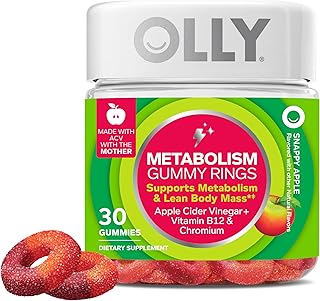
OLLY Metabolism Gummy Rings – Apple cider vinegar, vitamin B12, and chromium to support energy and metabolism. Tasty, convenient, and only $16.97 – Rated 4.3 / 7,100+ reviews.
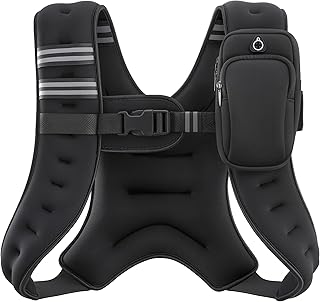
ZELUS Weighted Vest (6–30 lbs) – Add resistance to your walks or workouts to burn extra calories. $28.98 – Rated 4.6 / 15,900+ reviews.
Comparison Table
| Product | Image | Price | Rating | Best For | Buy at Amazon |
|---|---|---|---|---|---|
| alli Orlistat 120 Count | |
$65.99 | 4.2 | Fat blocking on high‑fat days | Buy Now |
| OLLY Metabolism Gummy Rings | |
$16.97 | 4.3 | Boosting metabolism naturally | Buy Now |
| ZELUS Weighted Vest (20 lb) | |
$28.98 | 4.6 | Increasing calorie burn during exercise | Buy Now |
Remember: supplements should support, not replace, a solid nutrition and exercise plan. Always consult a healthcare professional before starting any new supplement.
Frequently Asked Questions
Can I combine intermittent fasting with calorie counting?
Yes, many people do. IF provides a time frame, and calorie counting adds precision. However, it may increase mental load. Start with one approach first.
Which method causes more muscle loss?
Neither is inherently worse if you consume enough protein and do resistance training. Calorie counting can help you hit protein targets more easily. IF may require being intentional about protein intake during your eating window.
Is calorie counting healthy for everyone?
For some individuals, especially those with a history of eating disorders, strict calorie counting can trigger unhealthy behaviors. Always prioritize mental health over numbers.
How long does it take to see results with intermittent fasting?
Most people notice weight loss within the first 2–4 weeks, especially if they combine IF with whole foods. Results vary based on starting weight and consistency.
Are there any cheap supplements that support weight loss?
Absolutely. Nature’s Bounty Chromium Picolinate (800 mcg) costs just $7.49 and helps metabolize fats, proteins, and carbs. It’s a budget-friendly option for anyone.
Final thought: Whether you choose intermittent fasting or calorie counting, the key is consistency. Use the method that fits your lifestyle, listen to your body, and celebrate small wins along the way. Both can lead to lasting change—you just have to start.