
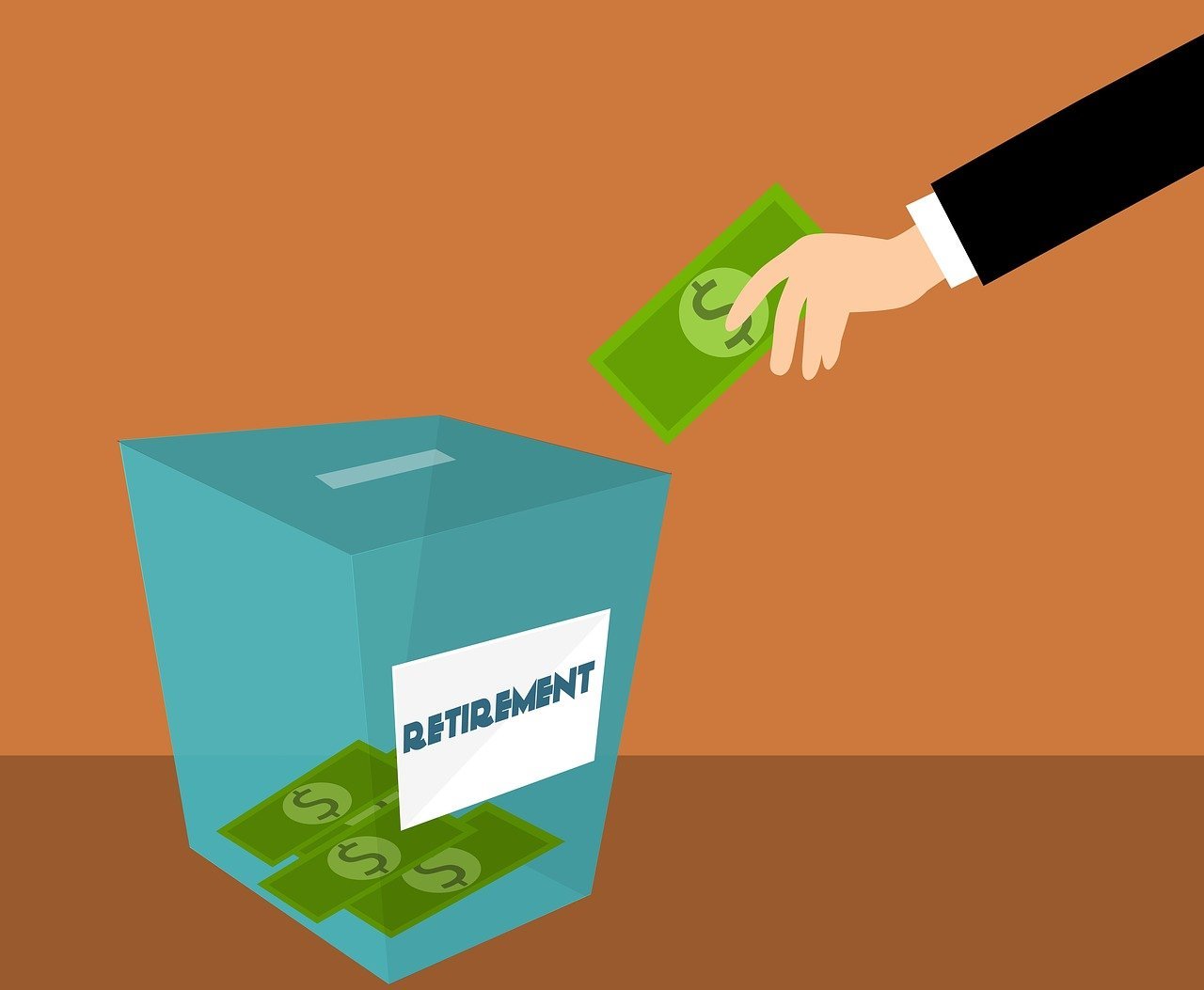
In today’s fast-paced world, managing finances can often feel like navigating a complex maze. Whether you’re a recent graduate stepping into independence, a busy parent juggling multiple responsibilities, or someone looking to take control of their financial future, creating a clear and effective budget is essential. This is where the Household Budget Application Form comes into play. It’s more than just a piece of paper; it’s a powerful tool that can transform your financial landscape.
Think about it—how often do you find yourself wondering where your money goes each month? Do you struggle to save for that dream vacation or dread the arrival of unexpected expenses? The Household Budget Application Form not only helps you outline your income and expenses, but it also encourages you to reflect on your spending habits, prioritize your financial goals, and ultimately build a roadmap towards financial stability. In the realm of personal development, mastering your finances is a critical step towards achieving overall well-being and success.
By taking the time to fill out a Household Budget Application Form, you’re investing in your future. This simple yet impactful action sets the stage for meaningful change, empowering you to make informed decisions and take charge of your financial journey. So, let’s dive deeper into how this essential tool can help you pave the way to a more secure and prosperous life.
Table of Contents
Understanding the Household Budget Application Form
A Household Budget Application Form is a structured document designed to collect detailed financial information about a household’s income, expenses, debts, and savings. It serves as a foundational tool for individuals, families, and even financial institutions to evaluate financial health, create budgets, or assess eligibility for financial programs. This form is essential for transparent and organized financial planning, helping users track their monetary inflows and outflows.
Key Components of a Household Budget Application Form
To be effective, a Household Budget Application Form must cover comprehensive categories reflecting a household’s financial life. Here are the main sections typically included:
- Personal Information: Basic details such as names, contact information, household members, and employment status.
- Income Sources: Monthly or annual income details from all sources, including salaries, freelance work, pensions, government benefits, and investments.
- Fixed Expenses: Regular payments like rent/mortgage, utilities, insurance premiums, loan repayments, and subscriptions.
- Variable Expenses: Grocery bills, transportation, entertainment, medical costs, and other fluctuating expenses.
- Debt and Savings: Outstanding debts (credit cards, loans), savings accounts, investments, and emergency funds.
- Financial Goals: Short-term and long-term objectives such as paying off debt, saving for college, or retirement planning.
Why is the Household Budget Application Form Important?
Using a Household Budget Application Form provides multiple benefits that facilitate better financial management:
- Clarity and Transparency: It gives a clear snapshot of where money comes from and how it is spent, eliminating guesswork.
- Budget Creation: Enables the creation of realistic and actionable budgets based on actual data.
- Debt Management: Helps identify high-interest debts and prioritize repayments efficiently.
- Financial Eligibility: Used by lenders, landlords, and social service providers to assess financial capacity and eligibility.
- Goal Tracking: Monitors progress towards financial goals and adjusts plans accordingly.
How to Fill Out a Household Budget Application Form Effectively
Filling out this form requires attention to detail and accuracy. Here are some best practices to ensure the form captures a true reflection of household finances:
Gather Documents
Before starting, collect all relevant financial documents:
- Pay stubs and income statements
- Bank statements
- Recent bills and receipts
- Loan statements and credit card bills
Be Honest and Accurate
Underreporting expenses or overestimating income can lead to unrealistic budgets or disqualification from programs. Accuracy helps in creating a reliable financial plan.
Break Down Expenses Thoroughly
Use subcategories to avoid overlooking small but significant expenses:
For example, instead of listing “Utilities” as one line item, specify electricity, water, gas, internet, and phone separately.
Review and Update Regularly
Household finances can change due to job changes, medical expenses, or new family members. It’s advisable to update the form periodically, at least quarterly or when significant life changes occur.
Industry Trends and Innovations in Household Budgeting
The ways households manage their budgets have evolved with technological advancements and changing financial landscapes. These trends have influenced how Household Budget Application Forms are designed and used:
Digital and Mobile Applications
Traditional paper forms are increasingly replaced by digital formats and apps. Financial applications like Mint, YNAB (You Need A Budget), and PocketGuard provide interactive budgeting tools that also allow users to input their data, generate reports, and receive real-time alerts.
Integration with Banking Systems
Modern budget forms and apps often sync directly with bank accounts and credit cards, importing transactions automatically. This reduces manual entry errors and helps in maintaining up-to-date records.
Customization and AI-powered Insights
AI-driven budgeting tools analyze spending patterns and offer personalized advice, alert users of unusual activities, or suggest ways to optimize budgets. This trend is making household budgeting more proactive rather than reactive.
Considerations When Using a Household Budget Application Form
Whether you’re a household trying to get your finances in order or an organization providing assistance, keep these considerations in mind:
- Privacy and Security: Financial data is sensitive. Ensure that electronic forms and applications comply with data protection regulations such as GDPR or CCPA.
- Accessibility: Forms should be user-friendly and accessible to people with disabilities.
- Language and Clarity: Clear instructions and terminology should be used to prevent misunderstandings.
- Flexibility: Allow for varying household types: single-income families, multiple earners, students, retirees, etc.
- Verification: For formal uses, ensure that submitted data can be verified with supporting documents.
Real-Life Example of Using a Household Budget Application Form
Consider the case of Sarah and John, a young couple planning to buy their first home. They used a Household Budget Application Form provided by their bank to apply for a mortgage loan. The form asked for detailed information about their combined incomes, monthly recurring expenses, outstanding debts, and savings.
By filling out the form accurately, they discovered that their discretionary spending on dining and entertainment was higher than anticipated. This insight allowed them to adjust their budget, increase their savings rate, and demonstrate to the bank a stable financial profile. Ultimately, the bank approved their mortgage application with favorable terms because of the clarity provided by the form.
Sample Household Budget Application Form Breakdown
| Section | Details Included |
|---|---|
| Personal Information | Names, contact, household size, employment |
| Income | Salary, bonuses, side income, benefits |
| Fixed Expenses | Mortgage, rent, utilities, insurance |
| Variable Expenses | Groceries, transport, medical, entertainment |
| Debts | Credit cards, personal loans, student loans |
| Savings and Goals | Emergency fund, retirement, education funds |
Additional Resources and Tools
For those interested in exploring more about household budgeting and application forms, these resources provide valuable insights:
- Consumer Financial Protection Bureau (CFPB) – Budgeting Tools
- Investopedia – Budget Basics
- NerdWallet – Best Budgeting Apps
Conclusion
The Household Budget Application Form is a critical instrument for understanding and managing household finances. Its detailed structure ensures that all financial aspects of a household are accounted for, enabling informed budgeting and goal setting. With trends moving towards digital solutions and AI-enabled insights, managing a household budget is becoming easier and more efficient. Whether used for personal management or as part of a formal financial evaluation, this form lays the groundwork for achieving financial stability and success.
“`html
Real-Life Case Studies on Household Budget Application Form
Managing personal finances can be challenging for many families, and the Household Budget Application Form has proven to be a vital tool in several real-life scenarios. Below, we explore a variety of examples where households applied this budgeting method to gain control over their expenses, improve savings, and enhance their overall financial well-being.
Case 1: The Johnson Family’s Journey to Debt Freedom
The Johnson family, a young couple with two children, had accumulated significant credit card debt due to unplanned expenses and irregular tracking of household spending. Monthly bills and daily expenditures were often overlooked, leading to spiraling interest charges.
By implementing the Household Budget Application Form, they meticulously categorized their income and expenses. This included fixed costs like rent and utilities, variable costs such as groceries and fuel, and discretionary spending. The clear visualization allowed them to identify unnecessary expenses and allocate a fixed amount towards debt repayment every month.
| Month | Debt Outstanding | Amount Paid |
|---|---|---|
| January | ,000 | ,200 |
| June | ,500 | ,300 |
| December | [openai_gpt model=”gpt-4.1-mini” prompt=”For SuccessGuardian.com, write a detailed case study section with various real life examples related to ‘Household Budget Application Form’. The case study should include a description of the situation, the solution provided, and the outcome or results. Dont use subheadings. Format the content for WordPress, using html tags and css that bring beauty. For example tables, ,
|
,500 |
Within one year, the Johnsons were completely debt-free. Their disciplined use of the budget form not only streamlined their finances but also instilled a habit of mindful spending.
Case 2: Sarah’s Single-Person Budget Control
Sarah, a freelance graphic designer, struggled with irregular income and fluctuating monthly expenses. She found it difficult to set aside funds for taxes, healthcare, and savings.
After adopting the Household Budget Application Form, Sarah created a customized budget that accounted for her inconsistent income. She tracked essential expenses separately from variable ones, making adjustments month-to-month without losing financial clarity.
Below is a snapshot comparing her average monthly income and budgeted expenses over a quarter:
| Category | Budgeted Amount | Actual Spend |
|---|---|---|
| Rent & Utilities | ,200 | ,180 |
| Groceries | 0 | 0 |
| Healthcare & Insurance | 0 | 0 |
| Savings | 0 | 0 |
| Discretionary | 0 | 0 |
Sarah reported reduced anxiety about financial unpredictability and successfully built an emergency fund equivalent to six months of living expenses within eight months.
Case 3: The Martinez Household Saving for a Home
The Martinez family, aiming to buy their first home, needed a structured approach to save for a down payment while balancing current living costs and their children’s education expenses.
Using the Household Budget Application Form, they set clear savings targets and adjusted discretionary spending categories substantially. This enabled them to increase monthly savings without compromising essential household needs.
The chart below illustrates their monthly savings progress versus their down payment goal over a 12-month period:
| Month | Savings Amount | Cumulative Savings | Goal Remaining |
|---|---|---|---|
| January | 0 | 0 | ,200 |
| June | 0 | ,600 | ,400 |
| December | ,200 | ,500 | ,500 |
Through disciplined budgeting and regular review facilitated by the form, the Martinez household remained motivated and on track. Their approach exemplified how clear financial documentation can drive tangible progress toward long-term goals.
Case 4: Elderly Couple Optimizing Fixed Income
Mr. and Mrs. Lee, retired and living on a fixed monthly pension, faced the challenge of rising healthcare costs while wanting to maintain their lifestyle.
The Household Budget Application Form allowed them to map out every expense and prioritize medical spending without neglecting other necessities. They identified areas where they could reduce utility usage and renegotiated service contracts, leading to better cash flow management.
After six months, the Lees reported a 15% reduction in non-essential expenses and increased peace of mind, feeling more confident about their financial stability in retirement.
“`
“`html
Actionable Tips for Your Household Budget Application Form
- Gather Necessary Documents: Collect your income statements, bills, and any other financial documents to provide a comprehensive overview of your finances.
- Set Clear Goals: Define what you want to achieve with your budget—saving for a vacation, paying off debt, or building an emergency fund.
- List All Income Sources: Make sure to include all streams of income, such as salaries, freelance work, or rental income, to accurately assess your financial situation.
- Track Your Expenses: Categorize your monthly expenses (fixed, variable, discretionary) to identify areas where you can cut back.
- Review and Adjust Regularly: Revisit your budget every month to ensure it reflects your current financial situation and goals, making adjustments as necessary.
“`