
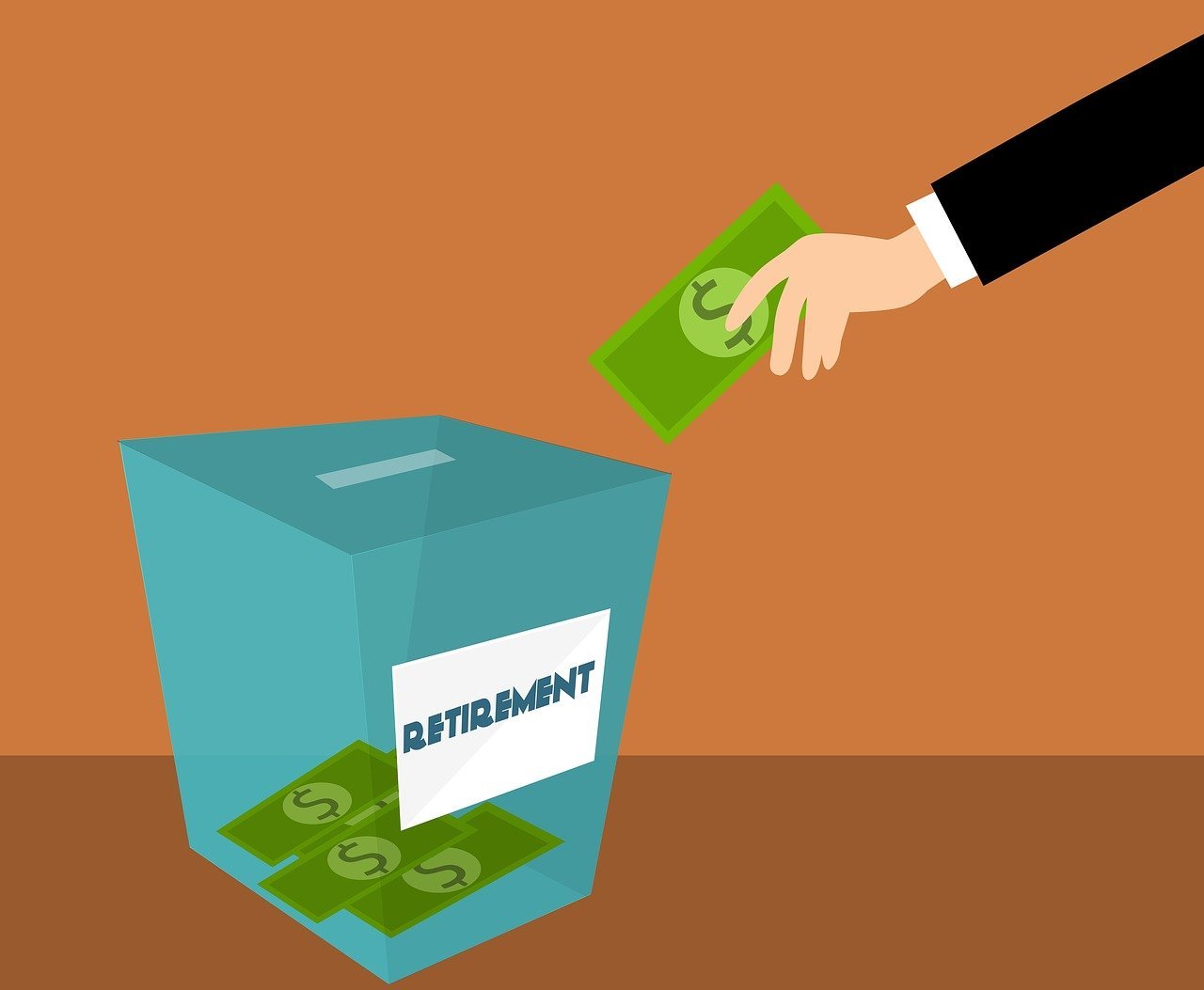
In today’s fast-paced world, where financial stability often feels like a distant dream, mastering the art of budgeting is more crucial than ever. Many people find themselves navigating through a sea of expenses, bills, and unexpected costs, leading to stress and uncertainty about their financial future. This is where the concept of a monthly budget comes into play, acting as a compass that can guide you through the complexities of personal finance. So, how do you make a monthly budget that works for you?
Creating a budget is not just about crunching numbers; it’s about taking control of your financial destiny. It’s a powerful tool that can help you identify your spending habits, prioritize your financial goals, and ultimately pave the way for a more secure and fulfilling life. Whether you’re saving for a dream vacation, planning for a major purchase, or simply wanting to make sure your bills are paid on time, understanding how to create and maintain a monthly budget is a vital skill in the personal development space.
In this guide, we’ll walk you through the essential steps to crafting a monthly budget that resonates with your lifestyle and aspirations. By the end of this journey, you’ll not only have a clear financial plan but also the confidence to make informed decisions that align with your goals. So, let’s dive into the world of budgeting and discover how you can transform your financial landscape, one month at a time!
Table of Contents
Understanding the Basics of Monthly Budgeting
Creating a monthly budget is an essential step toward managing your personal finances effectively. A well-structured budget helps you keep track of your income, control spending, and work toward financial goals such as saving for emergencies, paying off debt, or investing for the future. But how do you make a monthly budget that is both practical and sustainable?
Before diving into the step-by-step process, it’s important to understand what a monthly budget entails. Essentially, a budget is a plan that outlines your expected income and allocates funds to various expense categories, ensuring you do not spend more than you earn.
Key Components of a Monthly Budget
- Income: Your total monthly earnings, including salary, freelance work, investments, and any other sources.
- Fixed Expenses: Recurring costs that don’t change much month-to-month, such as rent, mortgage, utilities, and insurance premiums.
- Variable Expenses: Costs that fluctuate, like groceries, entertainment, dining out, and transportation.
- Savings & Debt Repayment: Allocations for emergency funds, retirement accounts, and paying down debt.
Recognizing these components is the foundation of how do you make a monthly budget that works for your unique financial situation.
Step-by-Step Guide: How Do You Make A Monthly Budget
Step 1: Track Your Income
Begin by calculating your total monthly income. This includes your net salary (after taxes), side hustles, dividends, or any other income streams. If your income varies, use an average over the past few months to get a reliable figure.
Step 2: List All Monthly Expenses
Write down all your expenses, categorizing them into fixed and variable. It’s helpful to review bank statements, credit card bills, and receipts from the past few months to capture every spending area.
Step 3: Set Spending Limits for Each Category
After listing your expenses, assign realistic spending limits for each category. Fixed expenses are straightforward since they tend to stay constant. For variable expenses, analyze your past spending patterns and decide where you can cut back if necessary.
Step 4: Allocate Money for Savings and Debt Repayment
A successful monthly budget always includes savings goals and debt repayment plans. Experts recommend saving at least 20% of your income, but this can vary based on your financial goals. Prioritize high-interest debts to reduce financial burden.
Step 5: Use Budgeting Tools and Apps
Leverage technology to maintain your budget. Tools like Mint, YNAB (You Need A Budget), and EveryDollar can sync with your bank accounts, categorize expenses automatically, and provide alerts when you near spending limits.
Step 6: Monitor and Adjust Monthly
A budget is not static. Review it at the end of each month to compare planned vs. actual spending. Adjust allocations to better fit your lifestyle and financial goals as you gain more insight into your habits.
Key Considerations When Creating a Monthly Budget
Be Realistic and Flexible
While it’s important to control spending, overly restrictive budgets can be difficult to maintain. Allow some flexibility for unexpected expenses or occasional treats to keep your budget sustainable.
Plan for Irregular Expenses
Some expenses don’t occur monthly but still affect your finances, such as annual insurance payments or holiday gifts. Set aside a monthly “sinking fund” amount to cover these costs smoothly.
Emergency Fund is Critical
Financial experts emphasize having an emergency fund covering 3-6 months of living expenses. Including regular contributions to this fund in your budget provides a safety net for unplanned events.
Prioritize High-Interest Debt
If you have debt with high interest, like credit card balances, prioritize paying it down quickly to avoid accumulating excessive interest charges that can derail your budget.
Industry Trends and Insights in Budgeting
Shift Towards Digital Budgeting
With the rise of fintech, budgeting has become more accessible through apps offering real-time updates, automated categorization, and personalized insights. According to a 2023 report by Statista, over 60% of millennials use budgeting apps regularly.
Incorporating Financial Wellness Programs
Employers increasingly offer financial wellness programs to help employees manage money better, reduce stress, and improve productivity. These programs often include budgeting workshops and tools.
Focus on Financial Education
Greater emphasis on financial literacy in schools and communities equips people with budgeting skills early on, leading to better long-term money management.
Example: Monthly Budget Breakdown for a Single Professional
| Category | Monthly Allocation | Percentage of Income |
|---|---|---|
| Income (Net Monthly Pay) | ,000 | 100% |
| Rent | ,200 | 30% |
| Utilities | 0 | 3.75% |
| Groceries | 0 | 10% |
| Transportation | 0 | 7.5% |
| Entertainment & Dining Out | 0 | 6.25% |
| Debt Repayment | 0 | 10% |
| Savings | 0 | 15% |
| Miscellaneous | 0 | 17.5% |
This example showcases a balanced approach to how do you make a monthly budget by including essentials, savings, and discretionary spending within a reasonable income framework.
Tips for Maintaining Your Monthly Budget
- Automate Payments and Savings: Set up automatic bill payments and transfers to savings accounts to avoid missed payments and build savings effortlessly.
- Review Subscriptions: Regularly audit subscriptions and memberships to cut unnecessary costs.
- Set Clear Goals: Define short-term and long-term financial goals to stay motivated and focused.
- Use Cash Envelopes: For variable expenses, using a cash envelope system can help control overspending.
- Seek Professional Advice: When in doubt, consult a financial advisor for personalized budgeting strategies.
Conclusion
Mastering how do you make a monthly budget involves understanding your income, categorizing expenses, setting realistic spending limits, and continuously monitoring your progress. With the help of modern tools and a disciplined approach, budgeting becomes a powerful tool for achieving financial stability and reaching your money goals. Remember, the best budget is one that fits your lifestyle, adapts to changes, and motivates you to manage your finances confidently.
For further learning, you may explore resources like Consumer Financial Protection Bureau’s budgeting guide or Investopedia’s personal budgeting tips.
“`html
Case Studies: How Do You Make A Monthly Budget.
Case 1: Sarah’s Journey from Overspending to Saving
Sarah, a 28-year-old graphic designer, struggled with managing her finances due to inconsistent spending habits and unclear priorities. She often found herself wondering, “How do you make a monthly budget.” She had no clear record of her income or expenses, leading to frequent overdrafts and anxiety about bills.
To address her situation, Sarah began by tracking every expense for a month using a budgeting app. She then categorized these expenses into fixed (rent, utilities) and variable (eating out, entertainment). With this data, she created a simple spreadsheet that allocated specific amounts to each category, prioritizing her savings and debt repayments.
| Category | Monthly Budgeted Amount | Previous Average Spending |
|---|---|---|
| Rent & Utilities | ,200 | ,200 |
| Groceries | 0 | 0 |
| Eating Out & Entertainment | 0 | 0 |
| Savings | 0 | [openai_gpt model=”gpt-4.1-mini” prompt=”For SuccessGuardian.com, write a detailed case study section with various real life examples related to ‘How Do You Make A Monthly Budget.’. The case study should include a description of the situation, the solution provided, and the outcome or results. Dont use subheadings. Format the content for WordPress, using html tags and css that bring beauty. For example tables, ,
|
| Debt Repayment | 0 | 0 |
Within three months, Sarah reduced her discretionary spending by over 50%, successfully built an emergency fund of ,000, and felt more confident about her financial future.
Case 2: The Martinez Family Balances Budgeting with Growing Expenses
The Martinez family — Carlos, Ana, and their two children — faced the challenge of managing increasing monthly expenses while saving for their children’s education. Unsure about how do you make a monthly budget that accommodates their needs, they decided to work with a financial coach to streamline their finances.
The solution involved consolidating their expenses into a comprehensive family budget that accounted for irregular payments like school fees and car maintenance. They established three main buckets:
- Essential living expenses (housing, utilities, groceries)
- Variable & occasional expenses (medical, school supplies, maintenance)
- Savings & investments (college fund, retirement)
| Bucket | Monthly Allocation | Notes |
|---|---|---|
| Essential Living | ,500 | Fixed and variable essential costs |
| Occasional Expenses | 0 | Set aside monthly to cover irregular bills |
| Savings & Investments | 0 | Dedicated to education and retirement funds |
After six months, the Martinez family avoided missed payments on irregular bills, boosted their savings by 20%, and reduced stress over fluctuating monthly costs.
Case 3: Jake’s Freelancing Finances Gain Stability
Jake is a freelance writer whose income varies significantly month to month. His main concern was how do you make a monthly budget when earnings are unpredictable. This inconsistency made it difficult for him to plan and stick to a financial routine.
Jake adopted a zero-based budgeting approach, where every dollar earned was assigned a purpose. The key was averaging his past six months of income to estimate a baseline and creating a buffer for lean months. He also prioritized building a separate “buffer fund” that covered at least three months of essential expenses.
| Month | Earnings | Budgeted Essentials | Buffer Fund Contribution | Discretionary Spending |
|---|---|---|---|---|
| Month 1 | ,000 | ,500 | ,000 | 0 |
| Month 2 | ,200 | ,500 | 0 | 0 |
| Month 3 | ,800 | ,500 | [openai_gpt model=”gpt-4.1-mini” prompt=”For SuccessGuardian.com, write a detailed case study section with various real life examples related to ‘How Do You Make A Monthly Budget.’. The case study should include a description of the situation, the solution provided, and the outcome or results. Dont use subheadings. Format the content for WordPress, using html tags and css that bring beauty. For example tables, ,
|
0 |
Within four months, Jake’s buffer fund reached ,500, giving him peace of mind. His budgeting system also helped smooth out the stress of irregular income, allowing him to maintain consistent spending habits.
Case 4: Priya’s Side Hustle Helps Her Master Monthly Budgeting
Priya, a marketing executive, recently started a side hustle selling handmade jewelry online. She struggled to integrate her side income with her primary salary, asking herself, how do you make a monthly budget that reflects all her cash flows.
She decided to separate her personal and side hustle finances, creating two parallel budgets. Her personal budget focused on fixed expenses and living costs, while her side hustle budget tracked product costs, marketing, and net profits. This allowed her to reinvest wisely without affecting her household budget.
| Budget Type | Monthly Income | Expenses | Net Savings or Profit |
|---|---|---|---|
| Personal | ,800 | ,200 | 0 |
| Side Hustle | ,200 | 0 | 0 |
After six months, Priya increased her side hustle profits by 40%, and her combined monthly savings rose to over ,000, empowering her to plan for future investments and vacations.
“`
“`html
How Do You Make A Monthly Budget
Creating a monthly budget is essential for managing your finances effectively. Here are some actionable tips to get you started:
- Track Your Income: List all sources of income, including salary, freelance work, and any side gigs. Knowing your total income is crucial for building an effective budget.
- Identify Fixed and Variable Expenses: Categorize your expenses into fixed (rent, utilities) and variable (groceries, entertainment). This will help you understand where your money goes.
- Set Savings Goals: Decide how much you want to save each month. Treat savings as a non-negotiable expense to help you build a financial cushion.
- Create Spending Limits: Allocate a specific amount for each category based on your income and expenses. Stick to these limits to avoid overspending.
- Review and Adjust Regularly: At the end of each month, review your budget. Adjust your categories and limits as necessary to improve your financial health.
“`